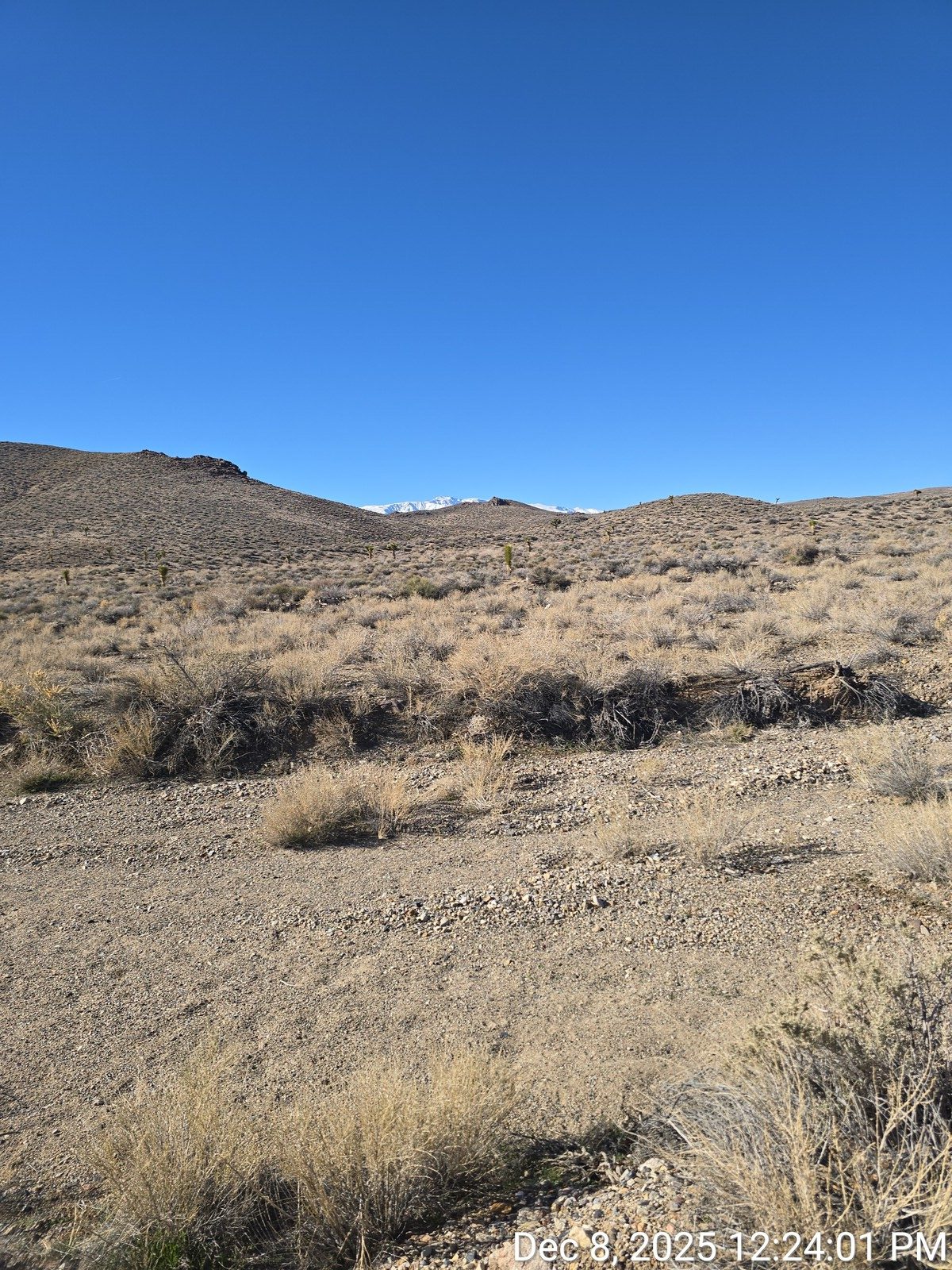
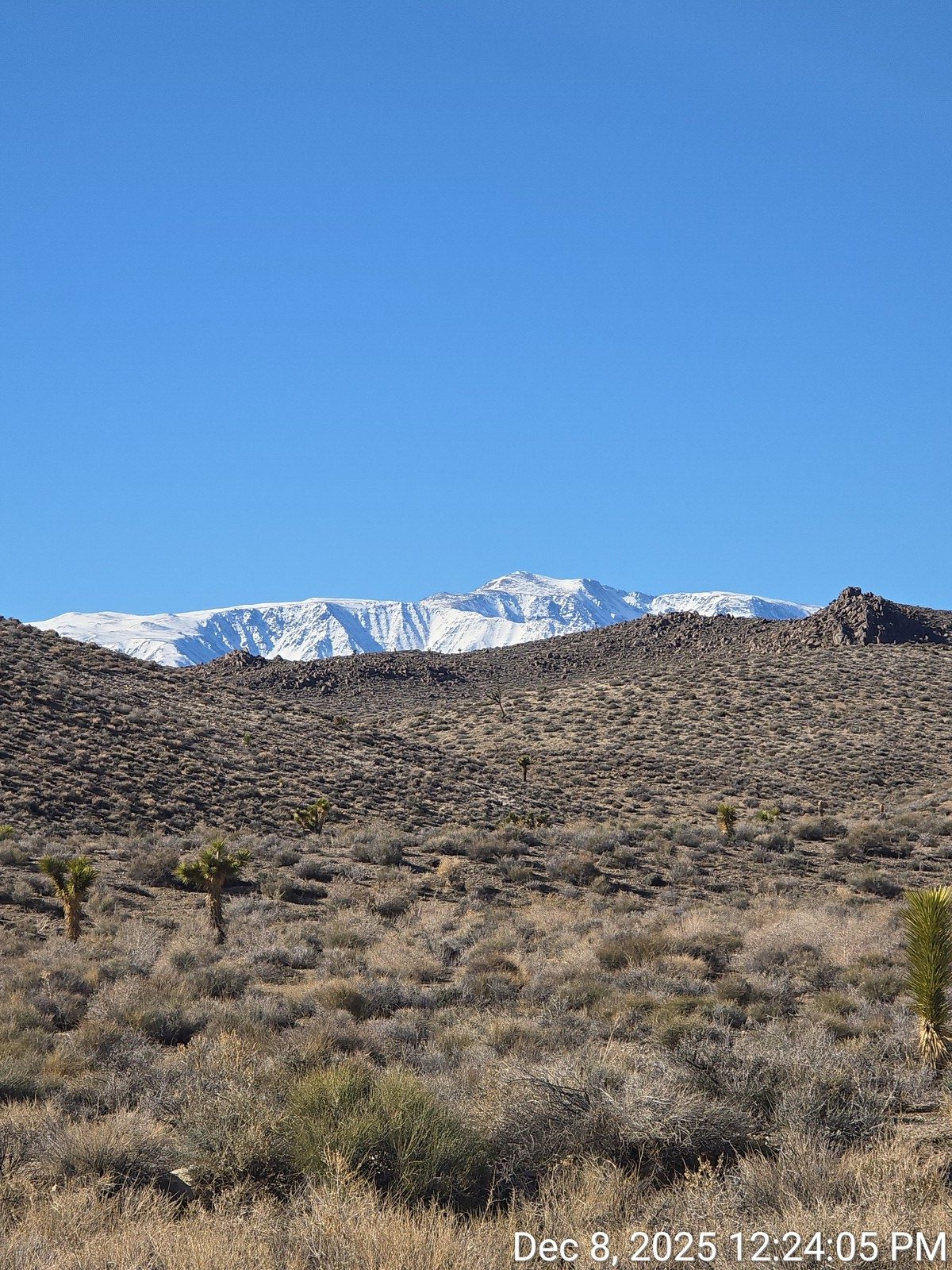
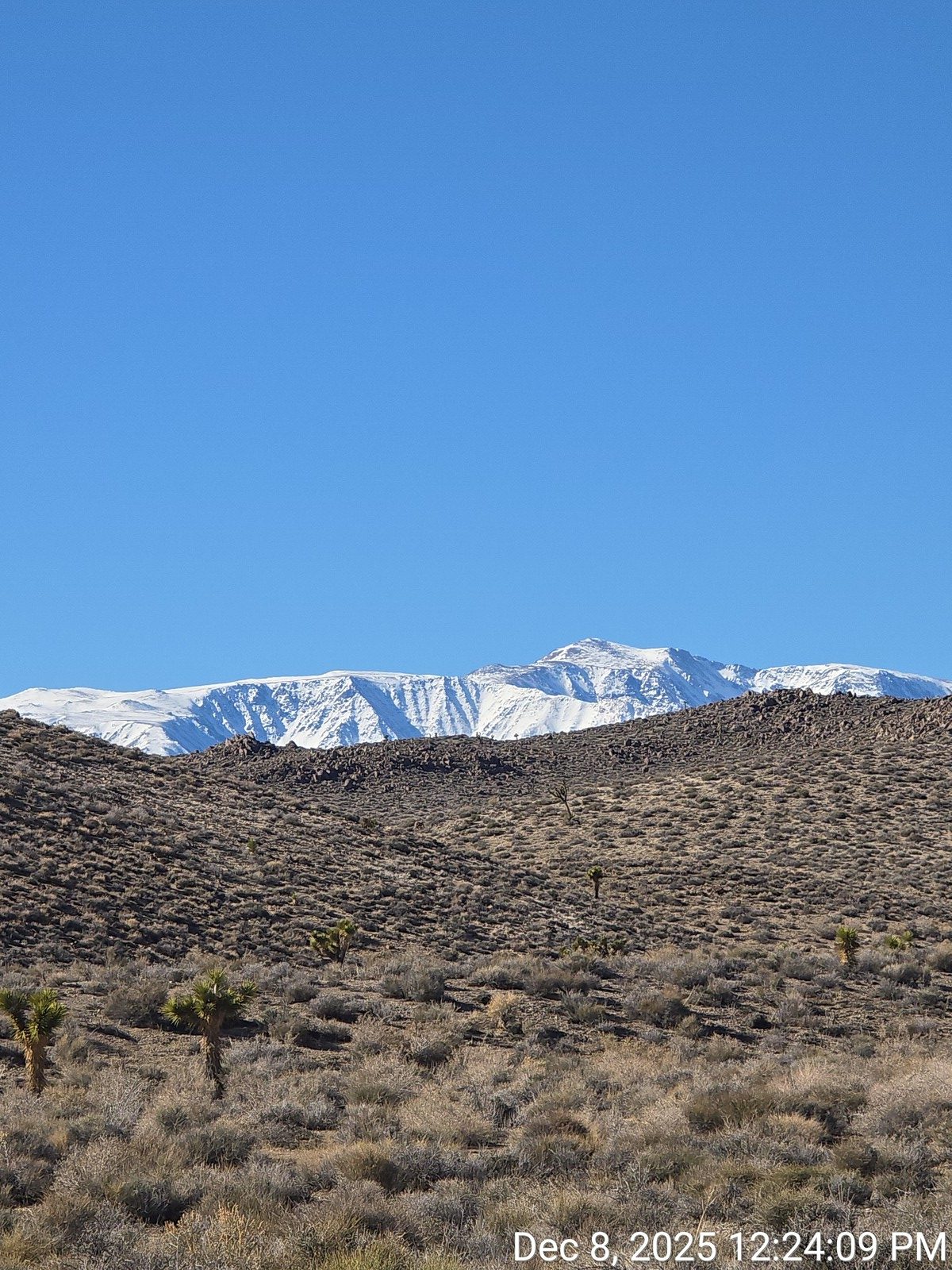
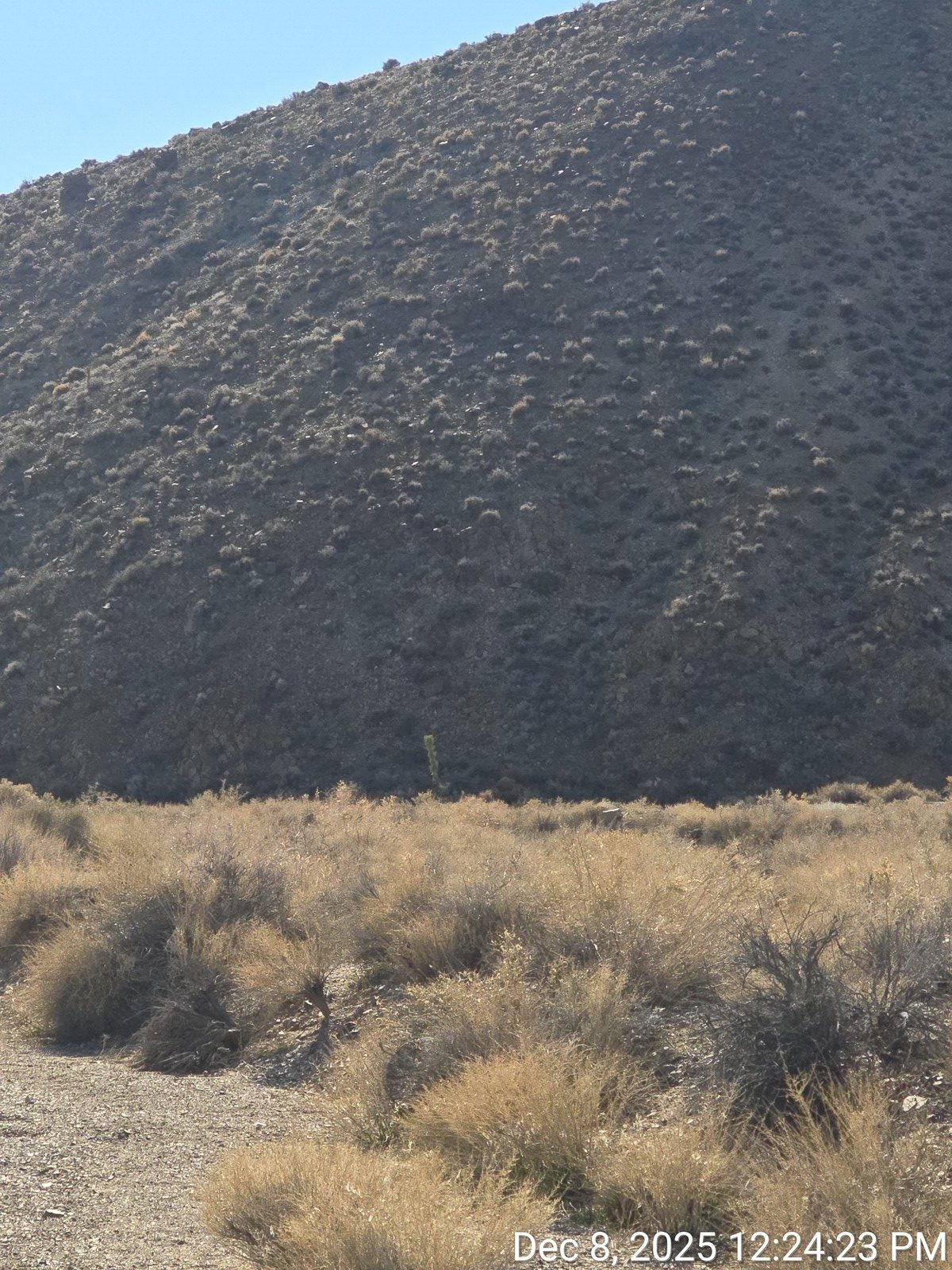
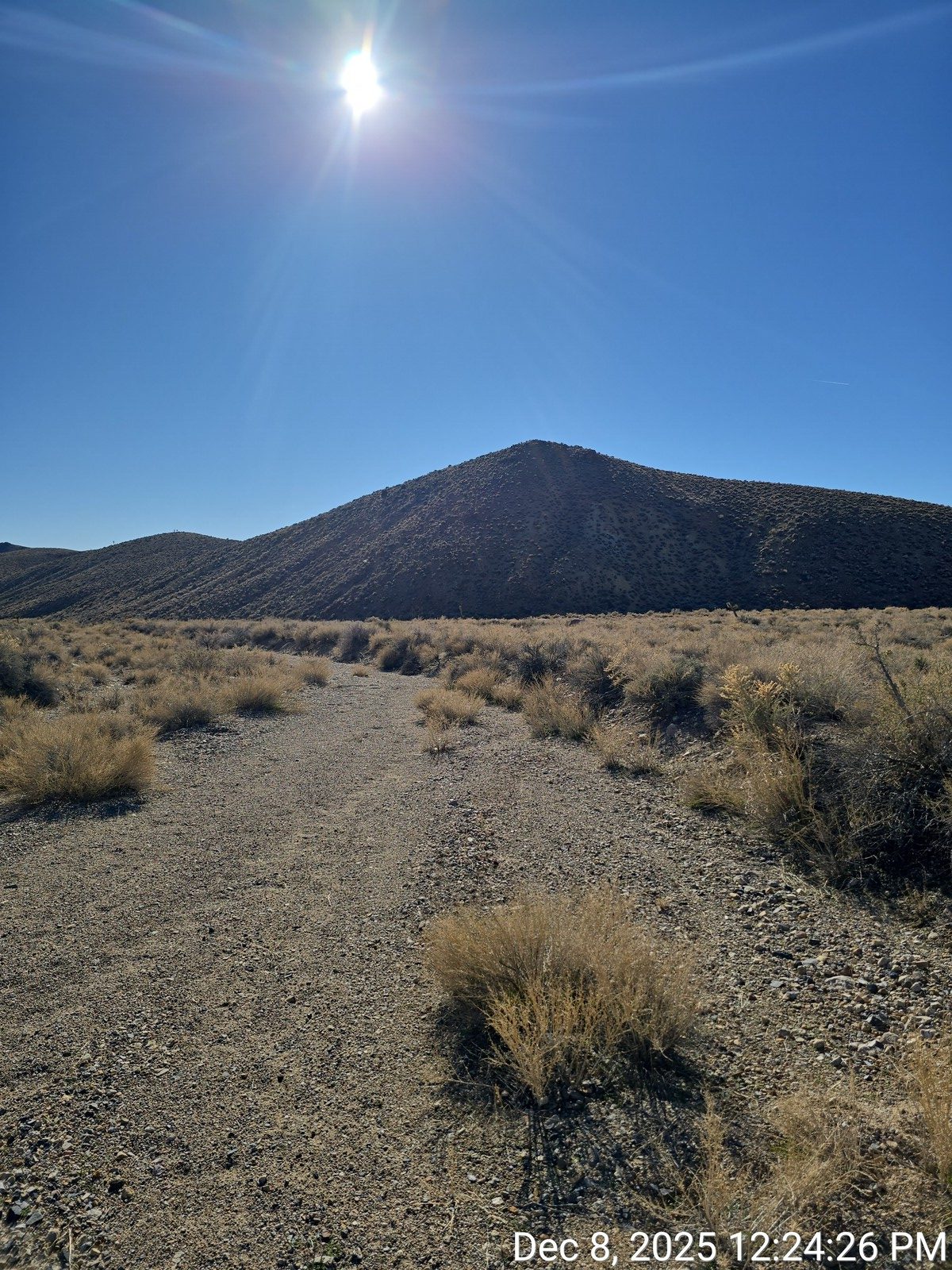
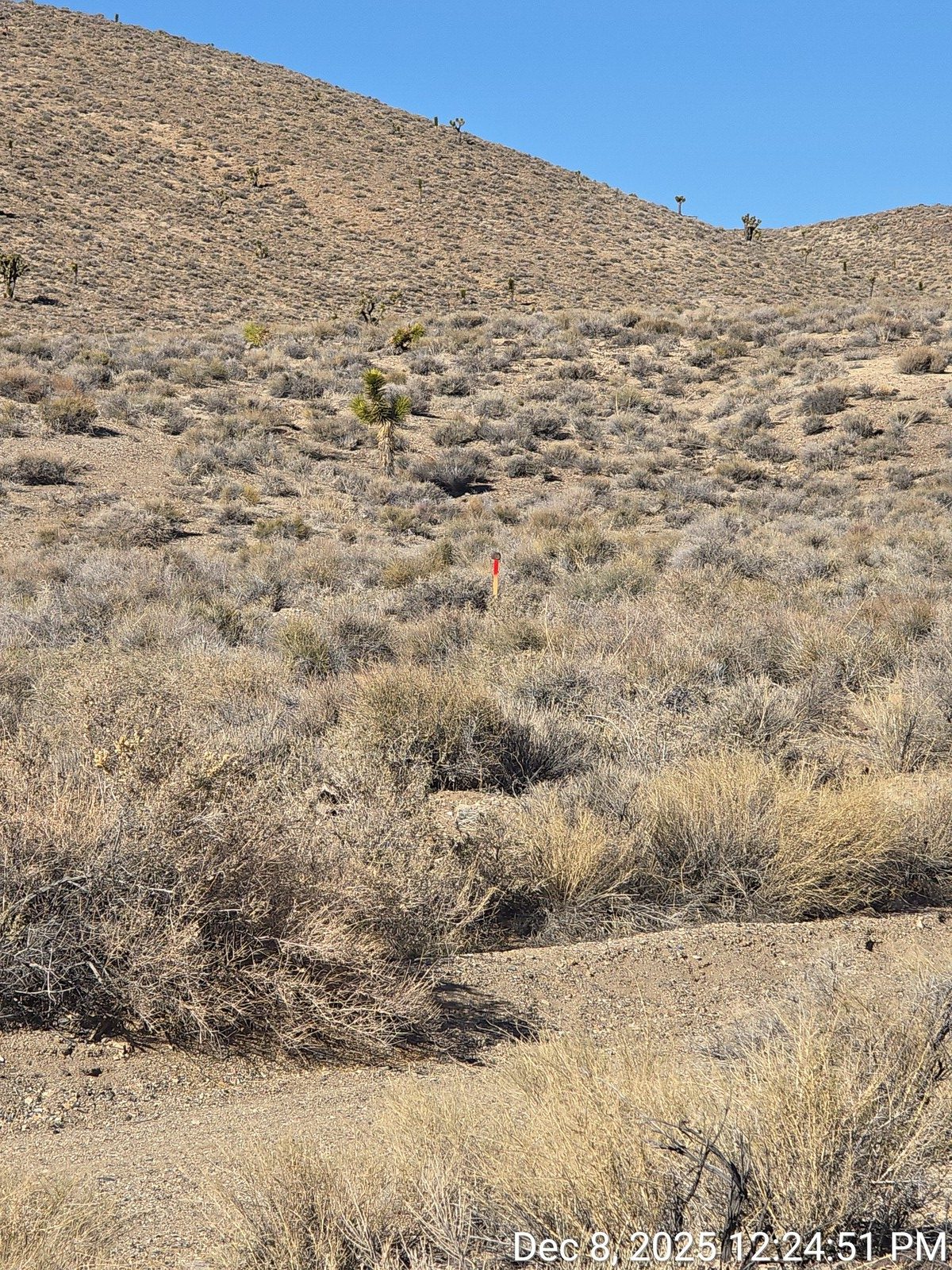
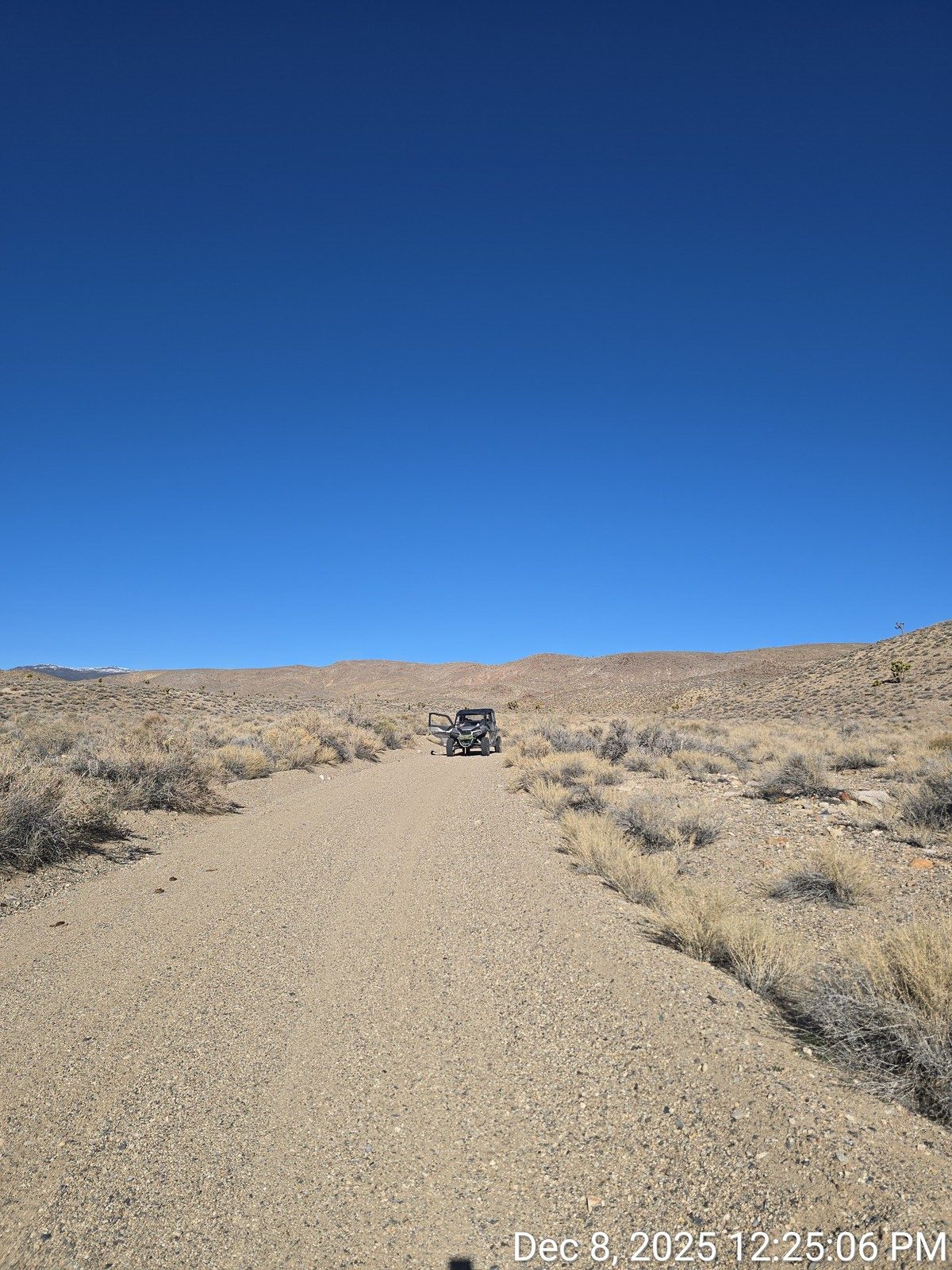
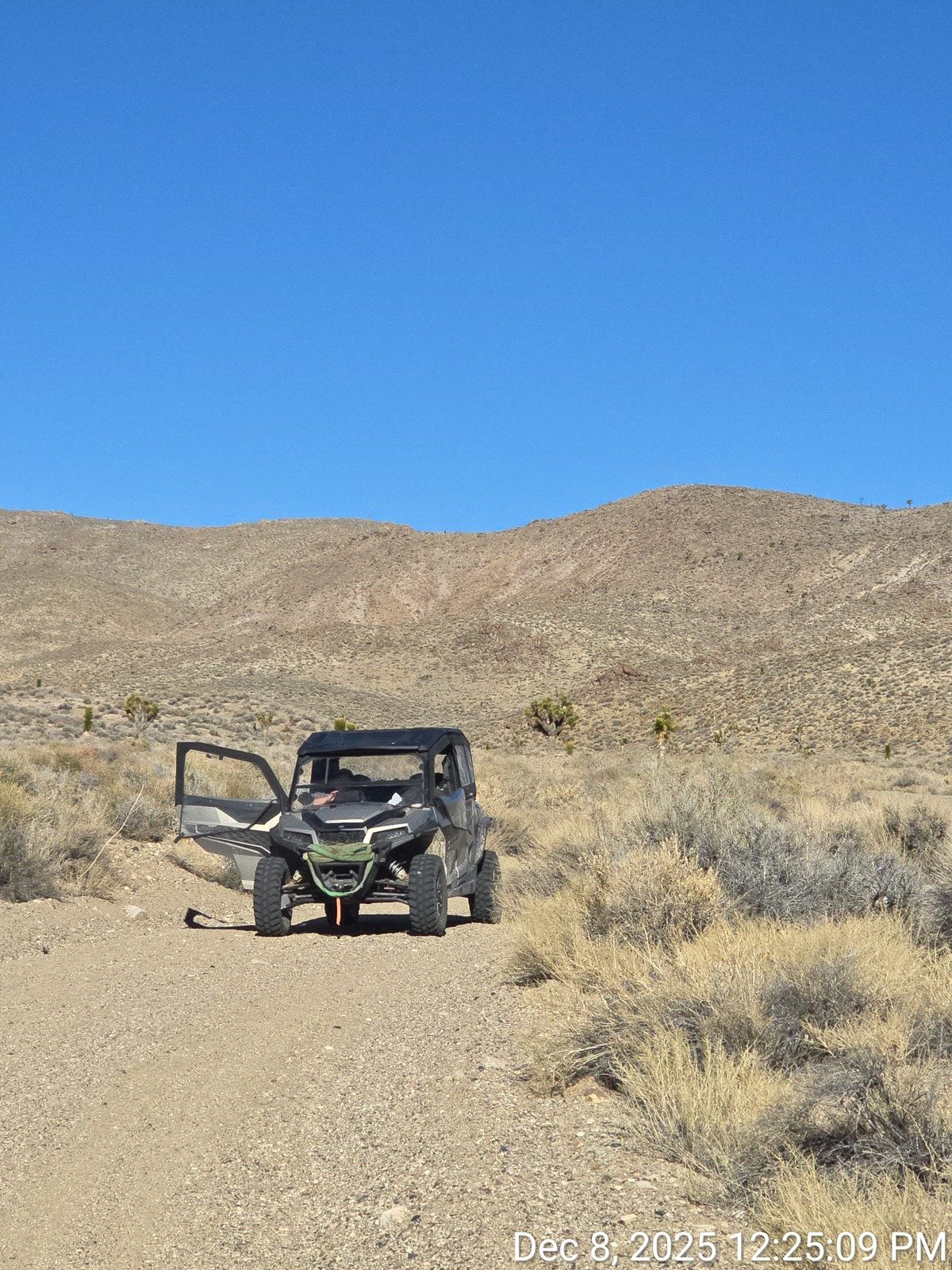
WHITE WOLF PLACER 2 MINE
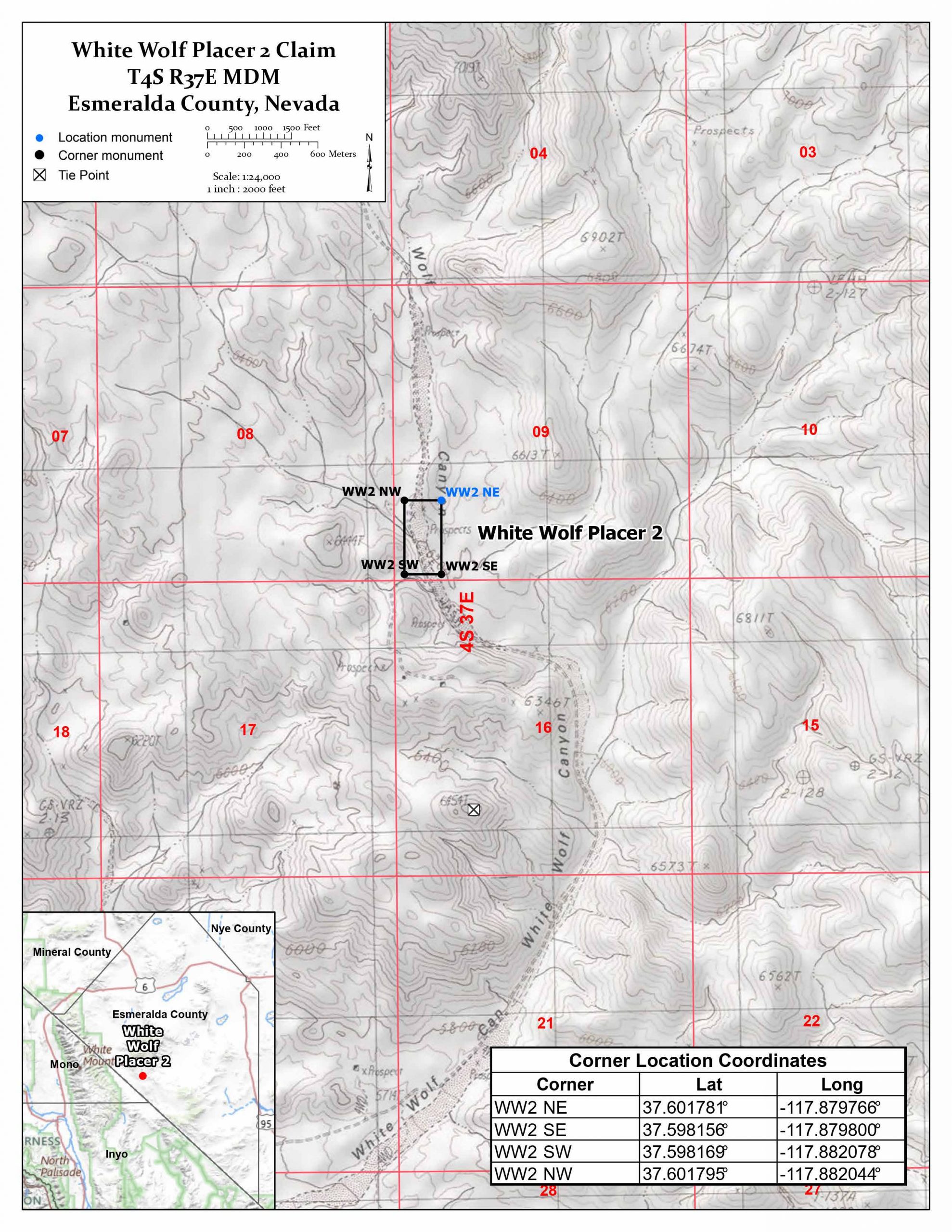
The White Wolf Placer 2 mining claim consists of one (1) unpatented placer claim covering 20 acres on federal land managed by the U.S. Bureau of Land Management. The claims is in the Good Hope mining district near several historical gold-silver mines in Esmeralda County, Nevada
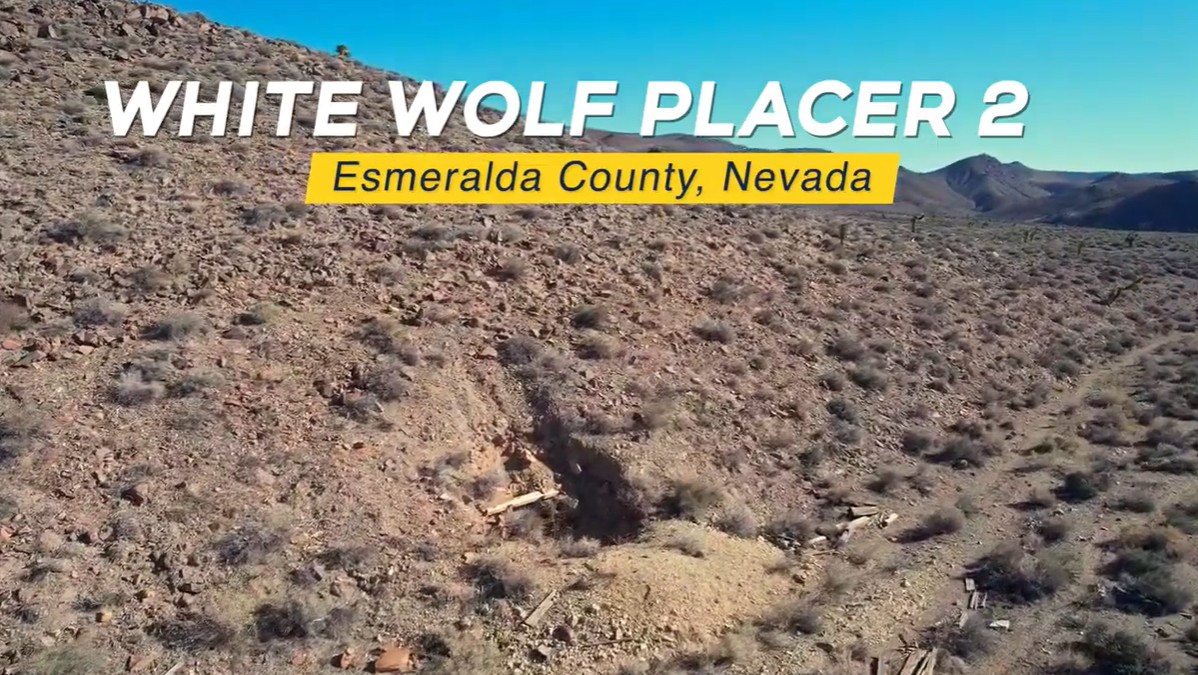
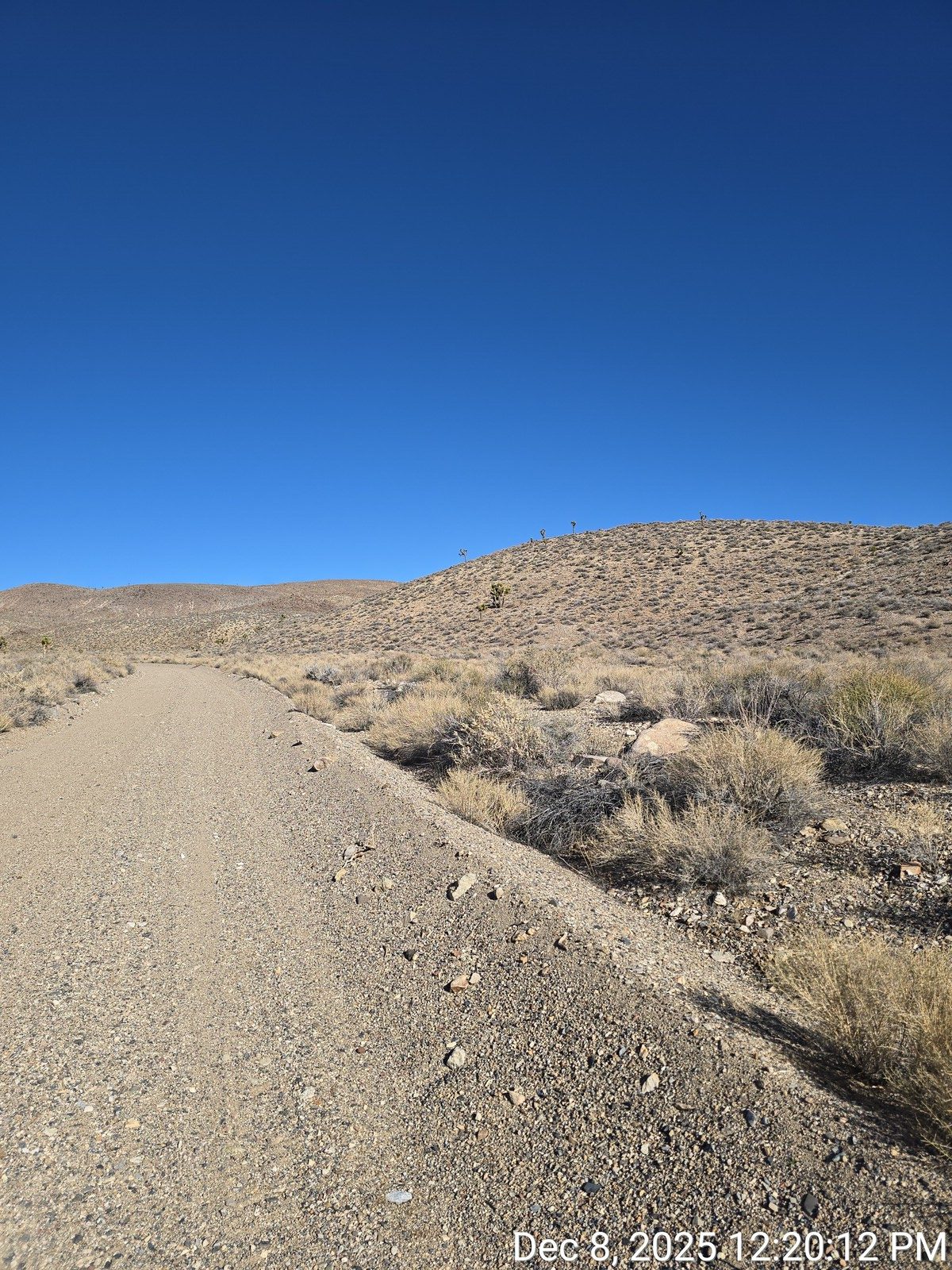
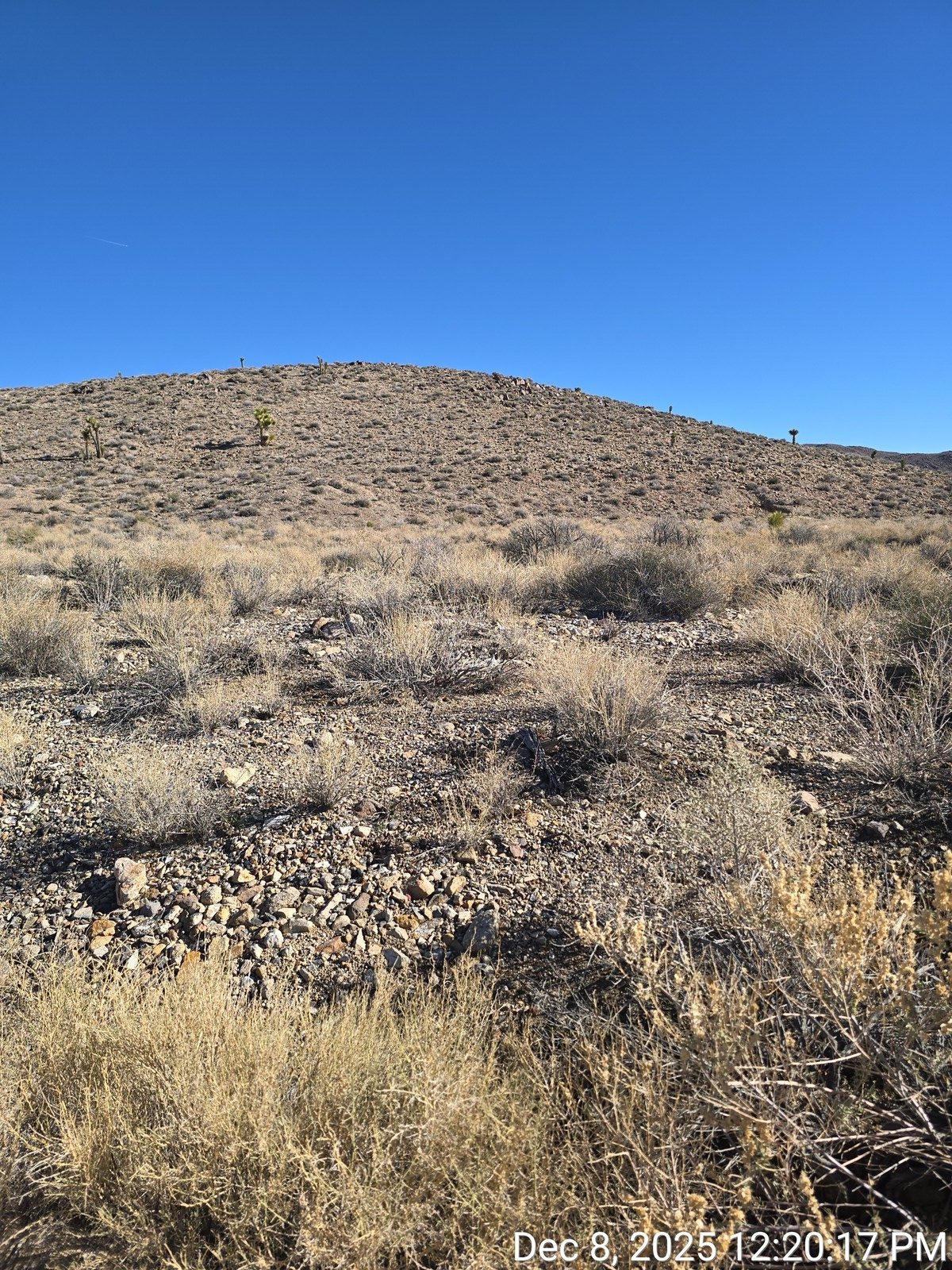
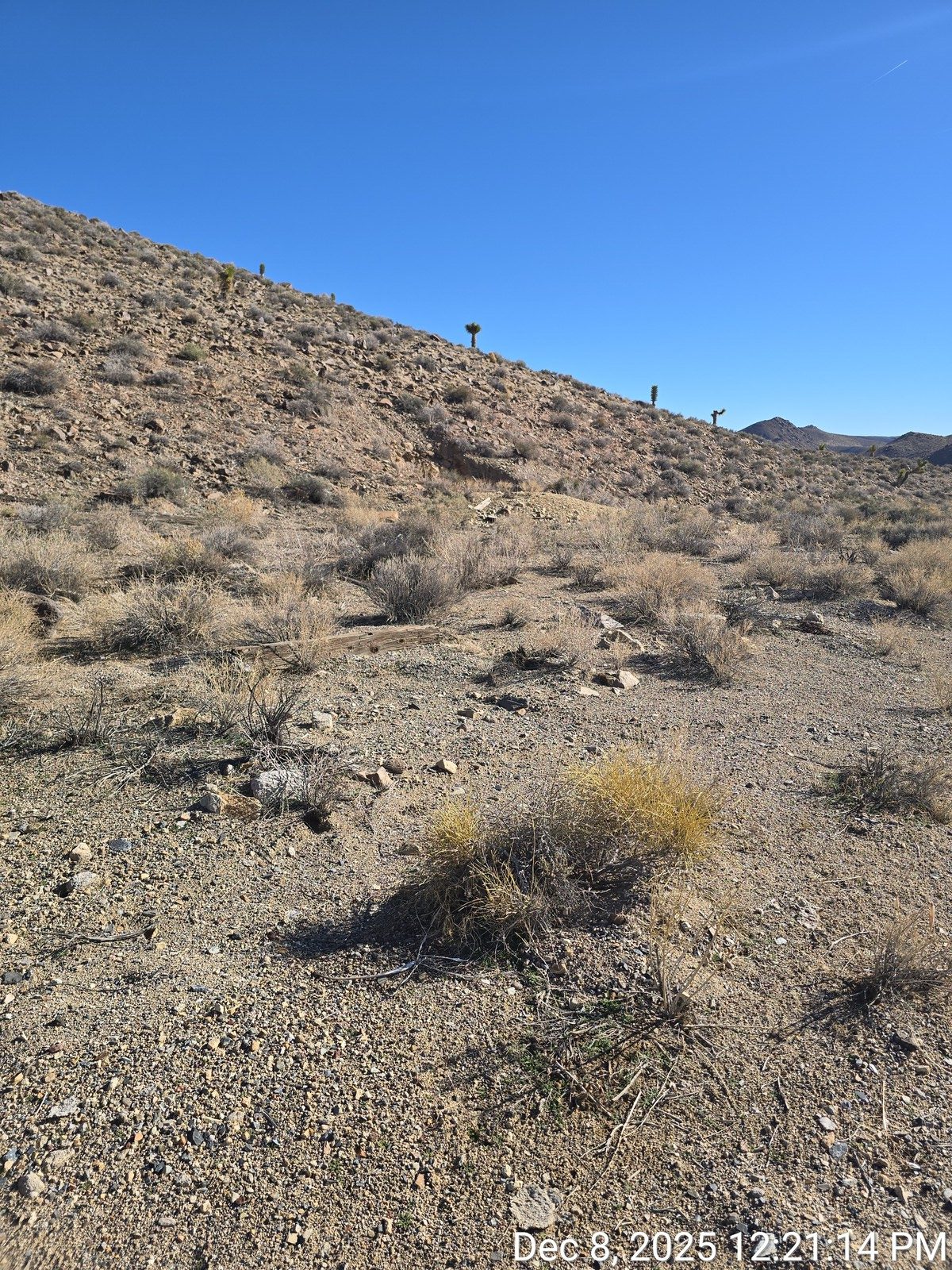
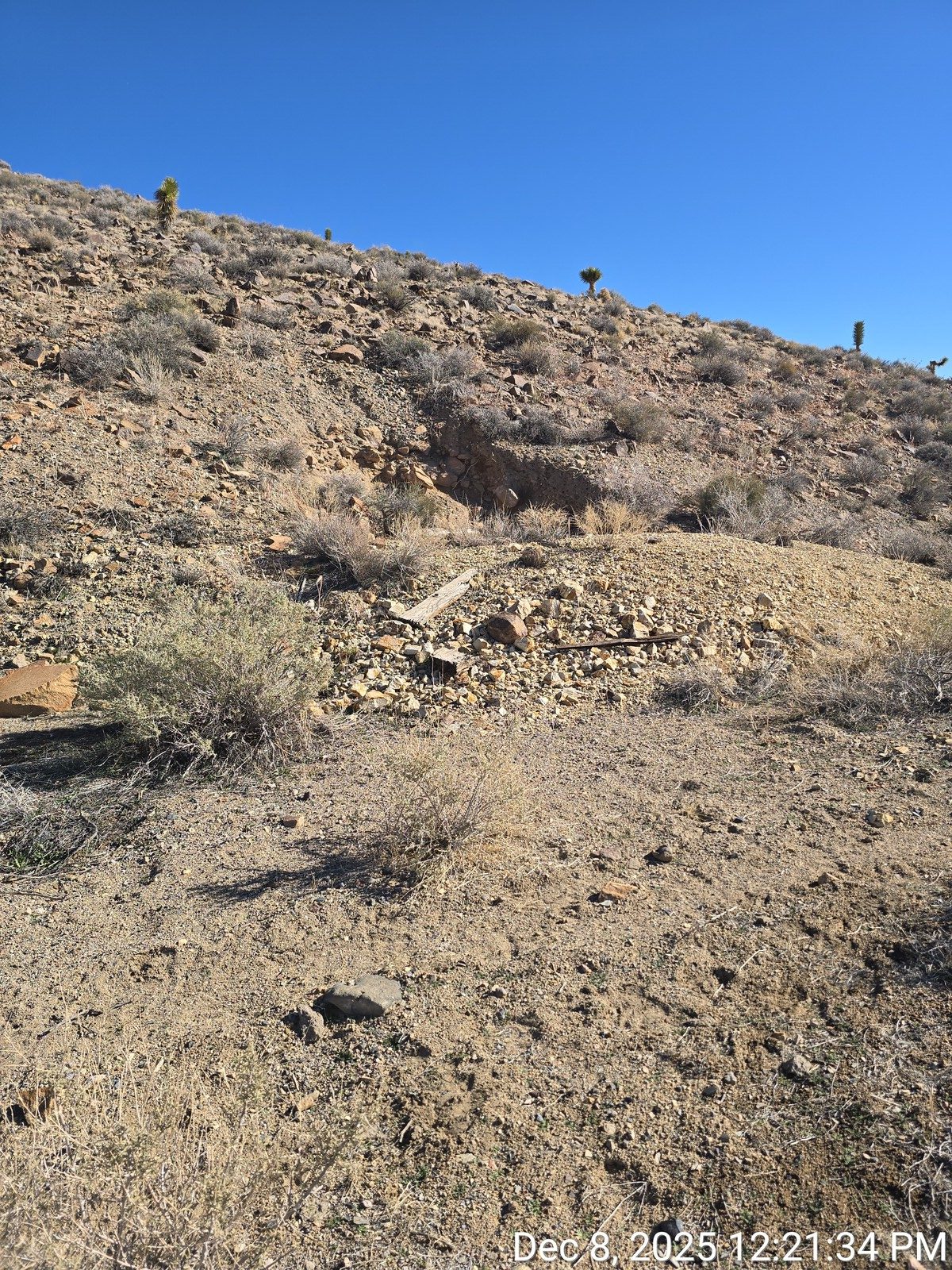
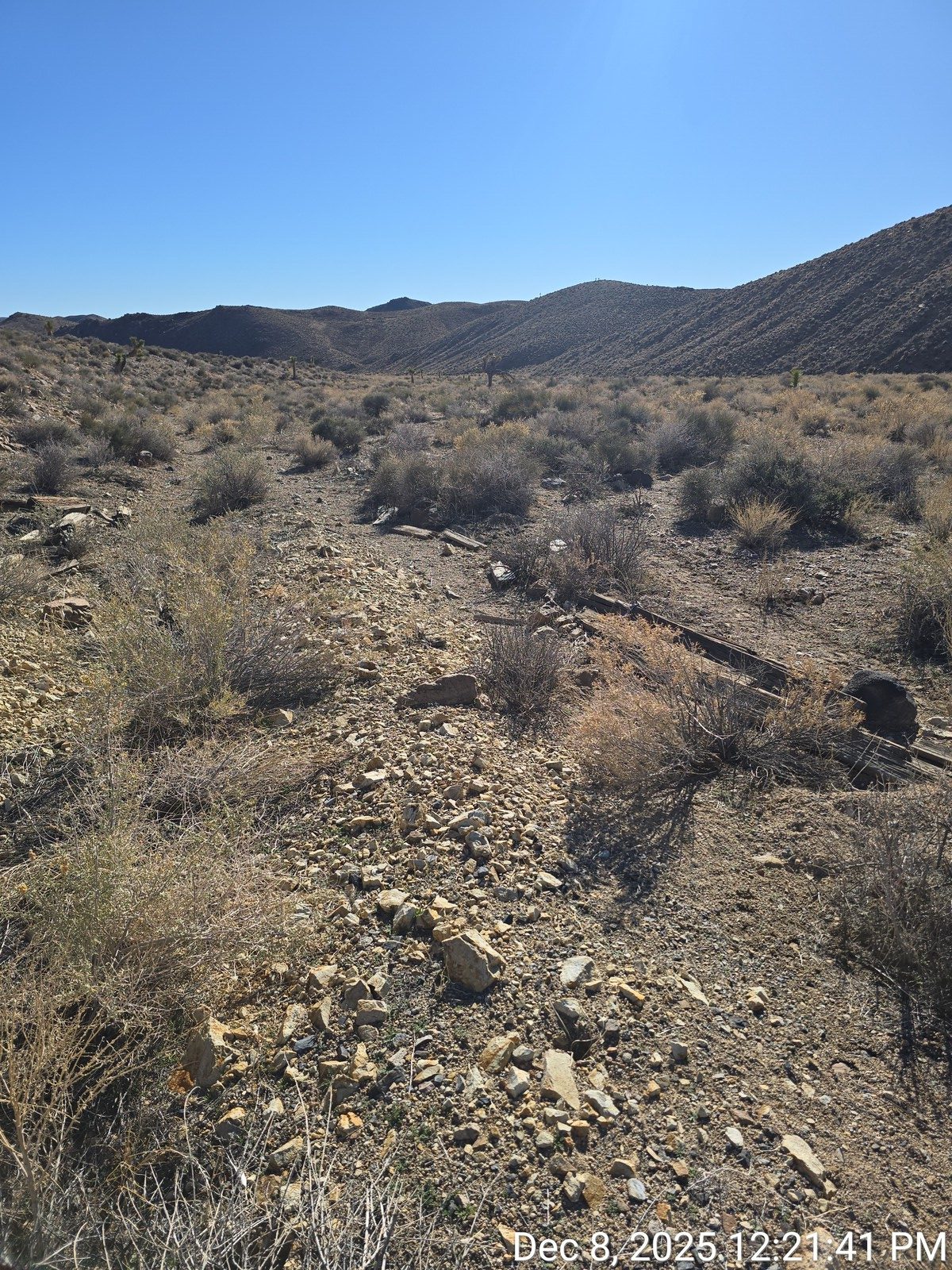
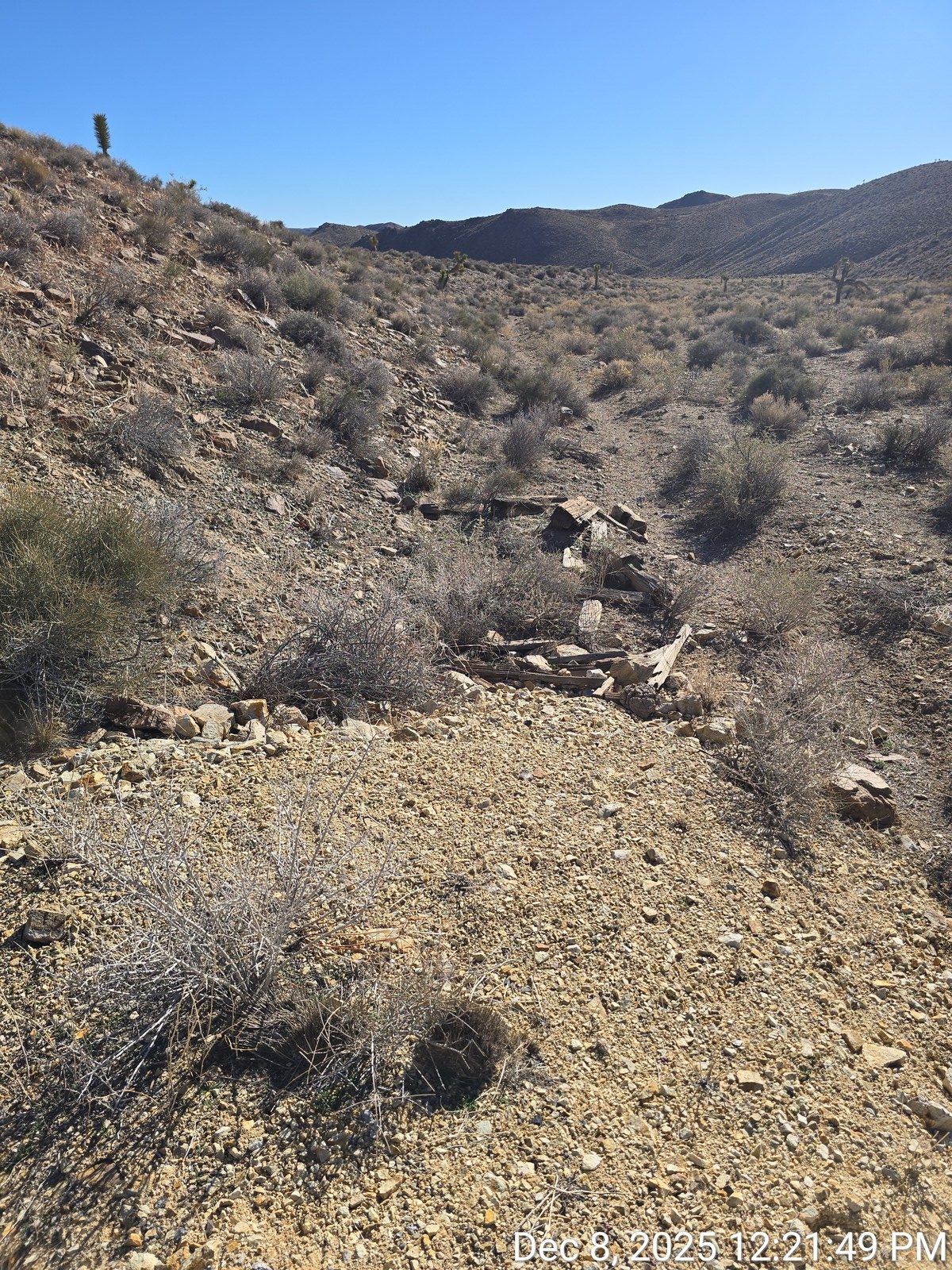
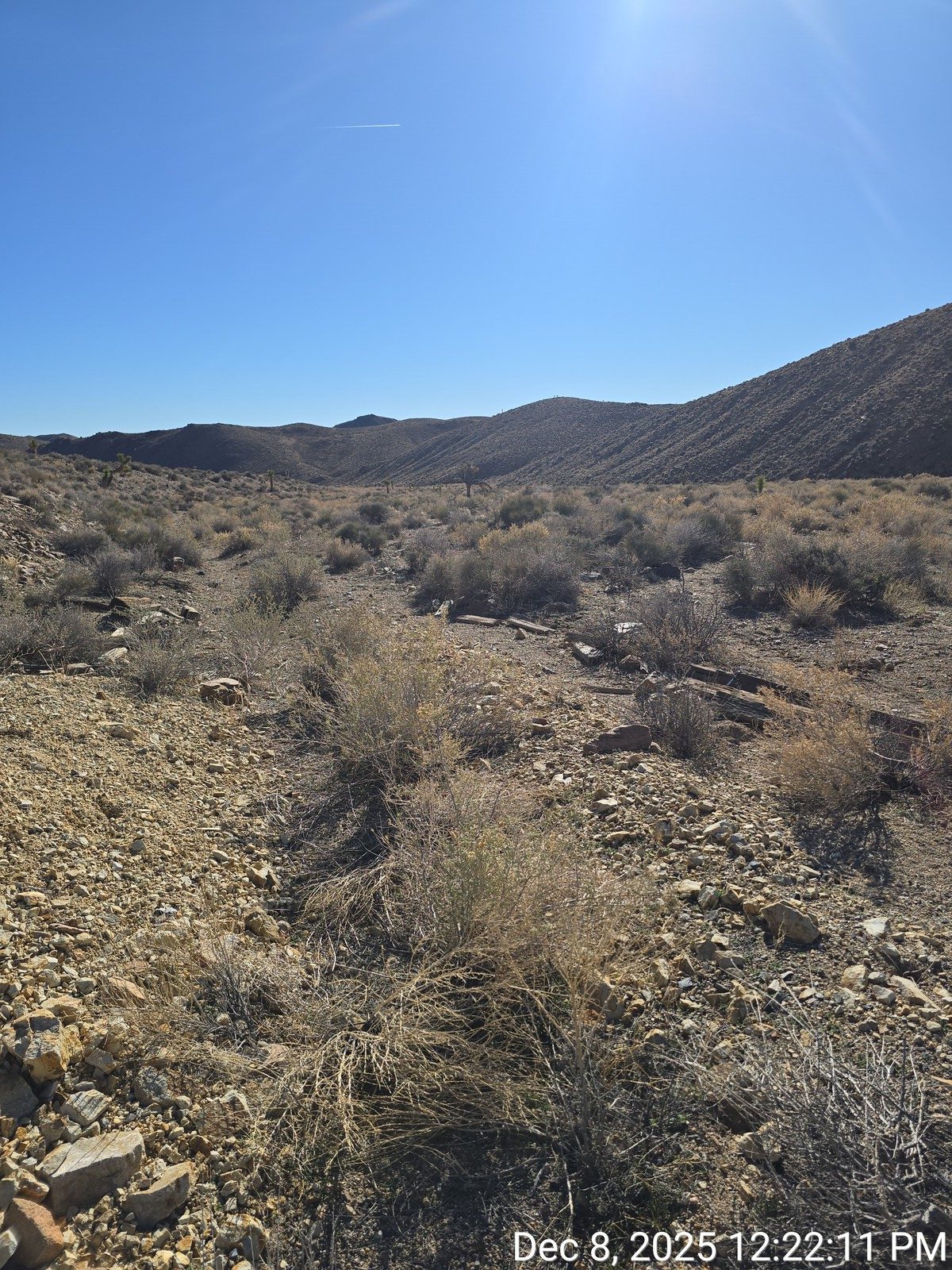
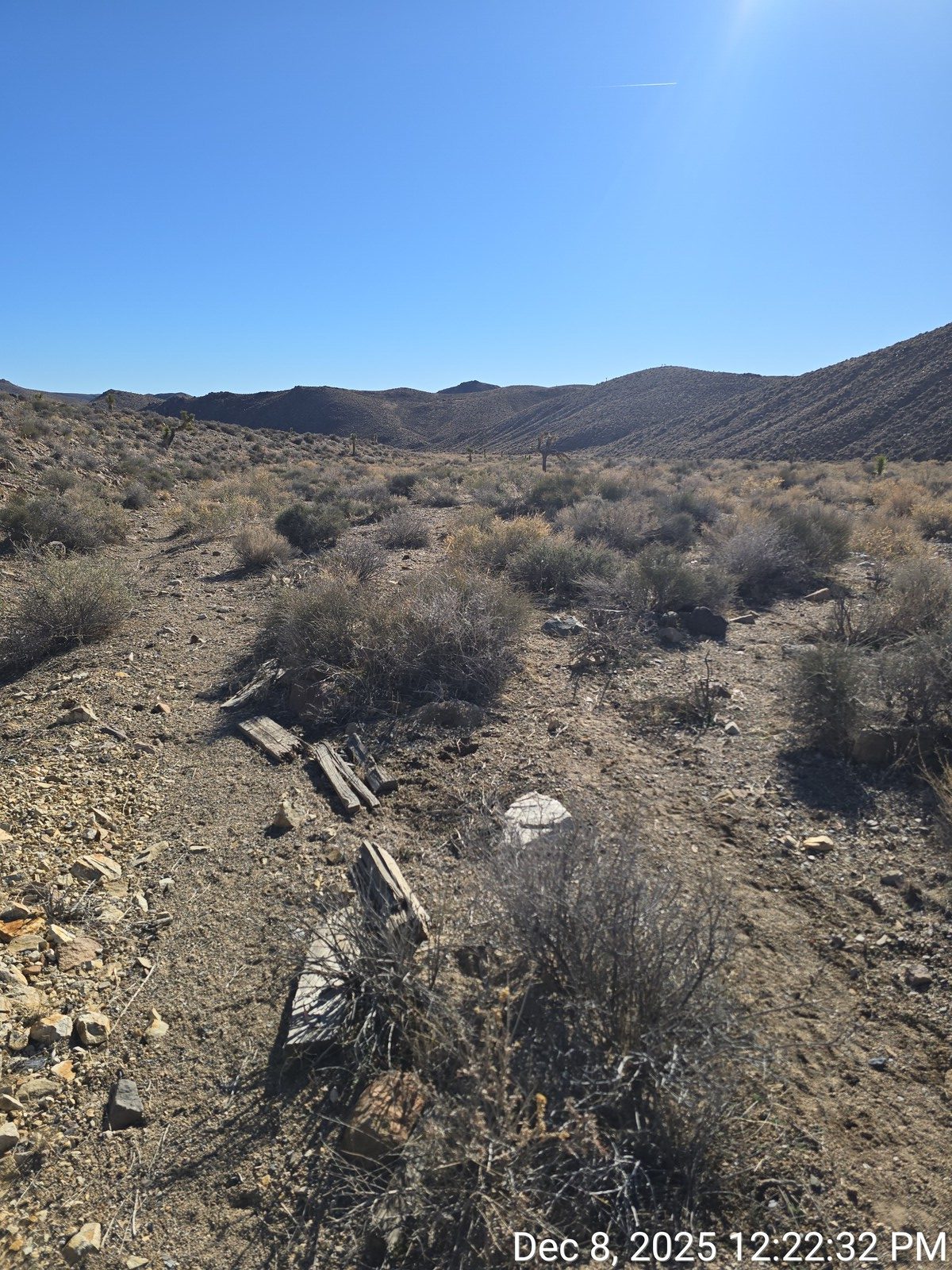
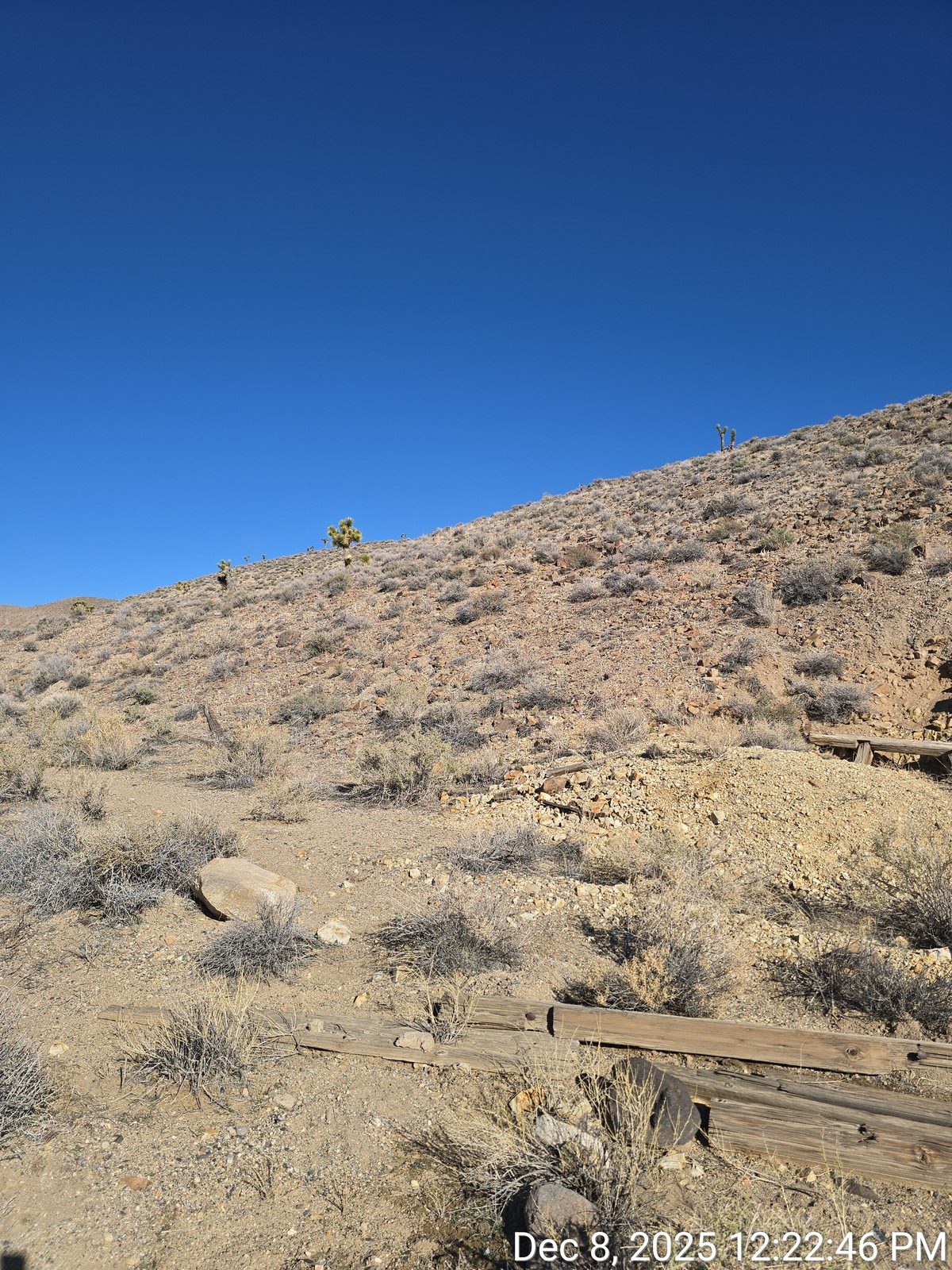
White Wolf Canyon is a known placer area and there are small pits and trenches evidencing past exploration and placer mining activities.
Samples collected in the surrounding area by prior exploration companies have ranged from 0.336 to 1.18 ounces per ton gold and 10 ounces per silver, and multi-percent copper. I have gotten .94 ounces per ton on a nearby vein adjacent to White Wolf Canyon.
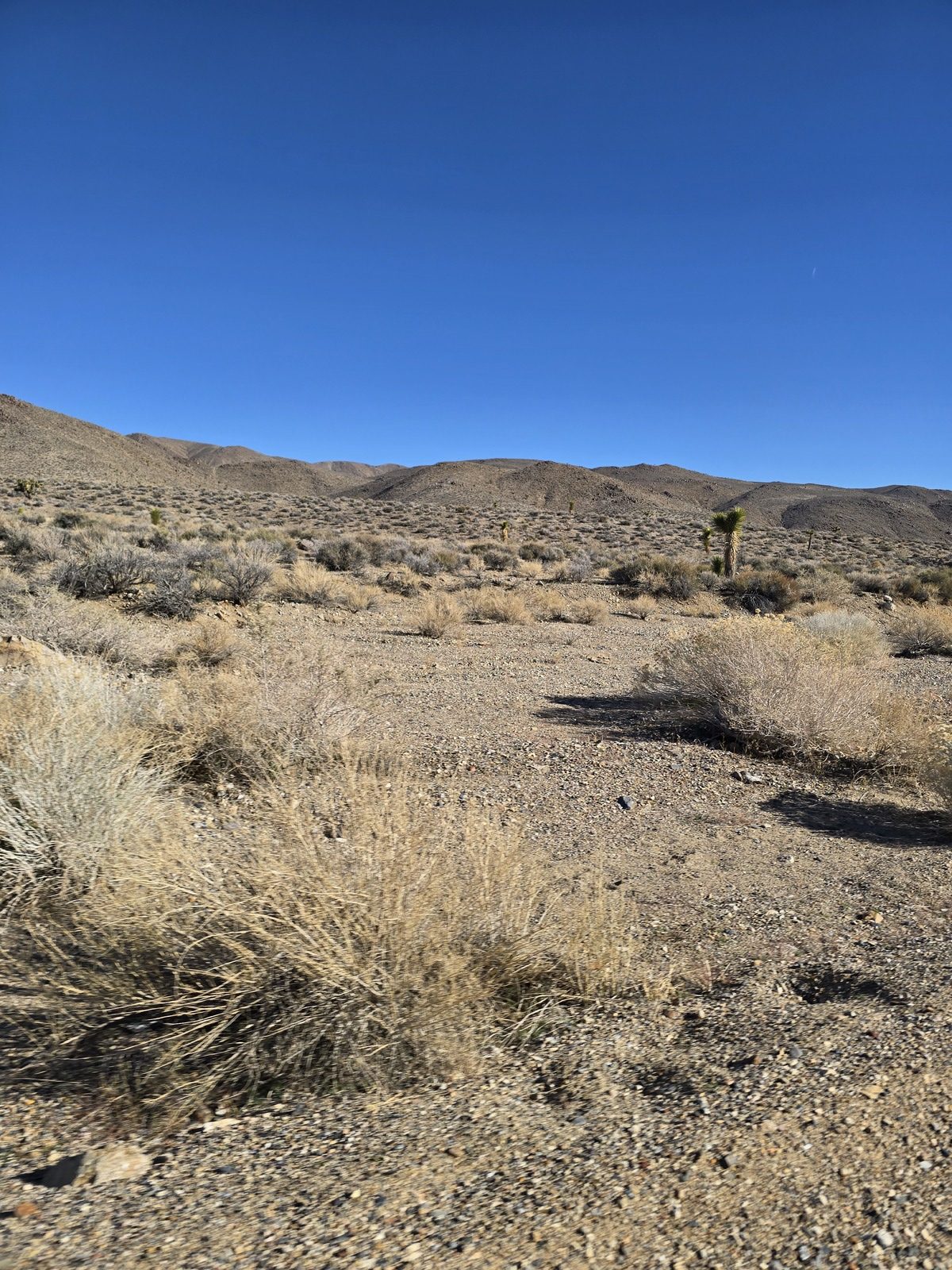
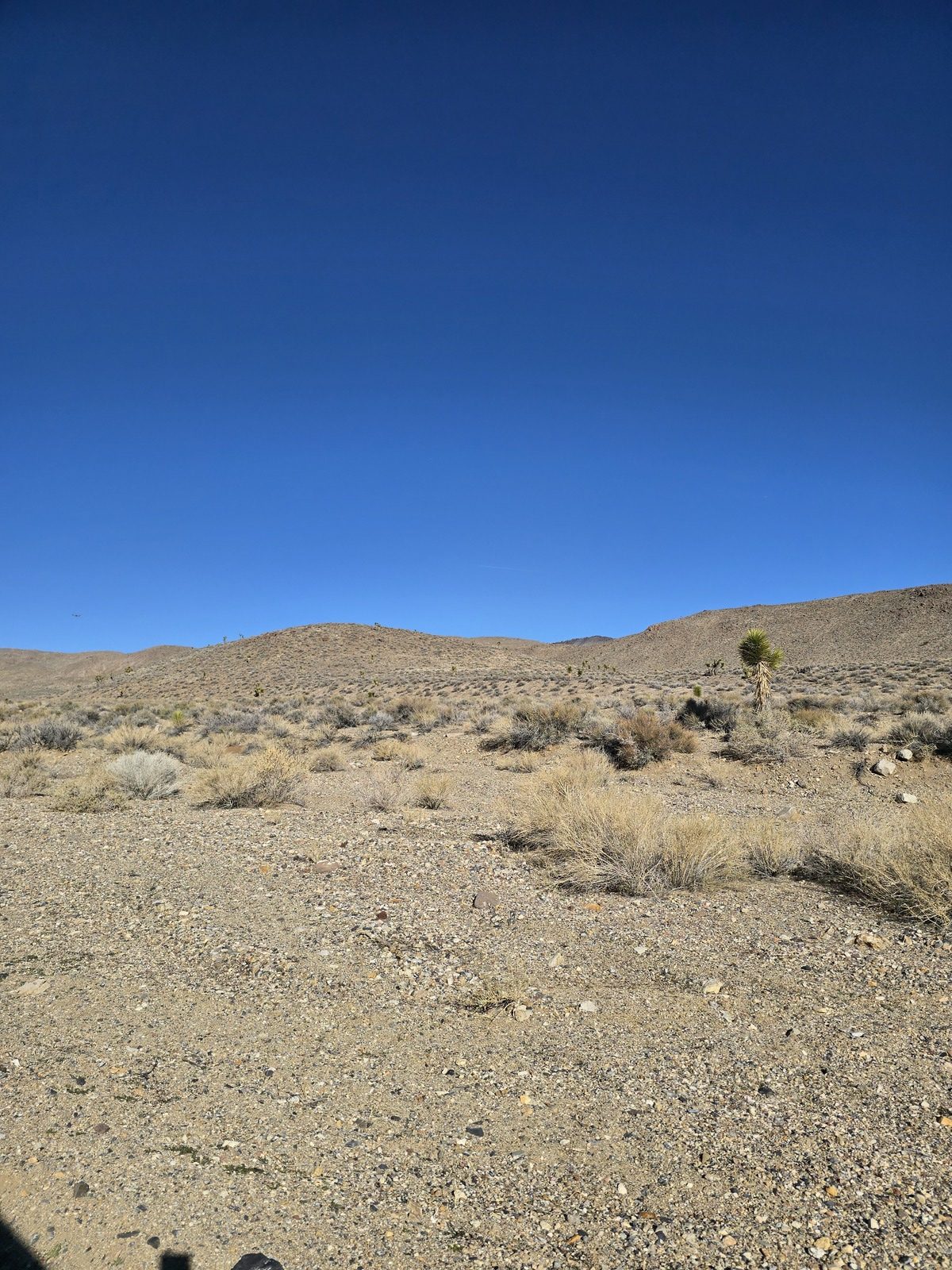
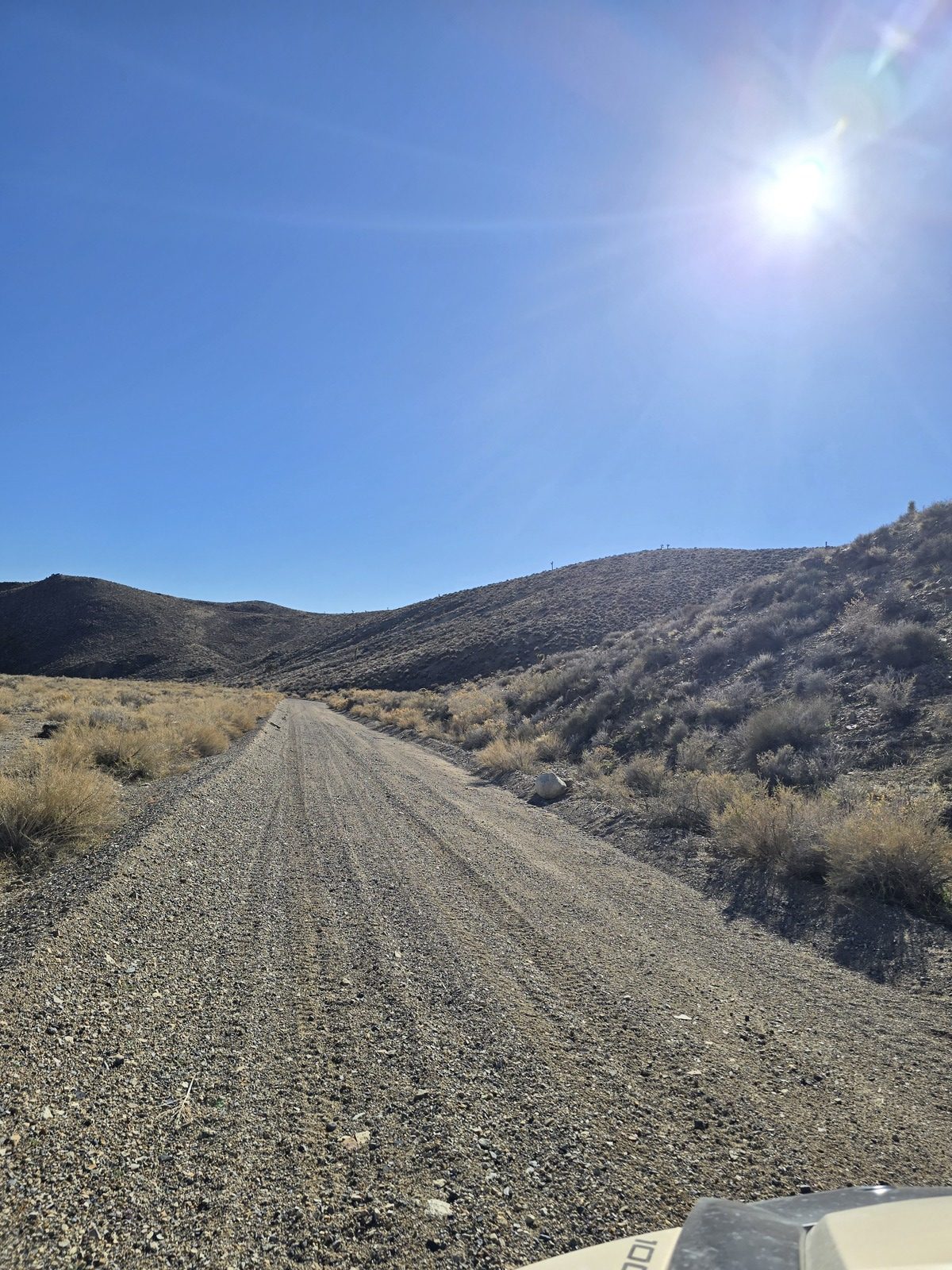
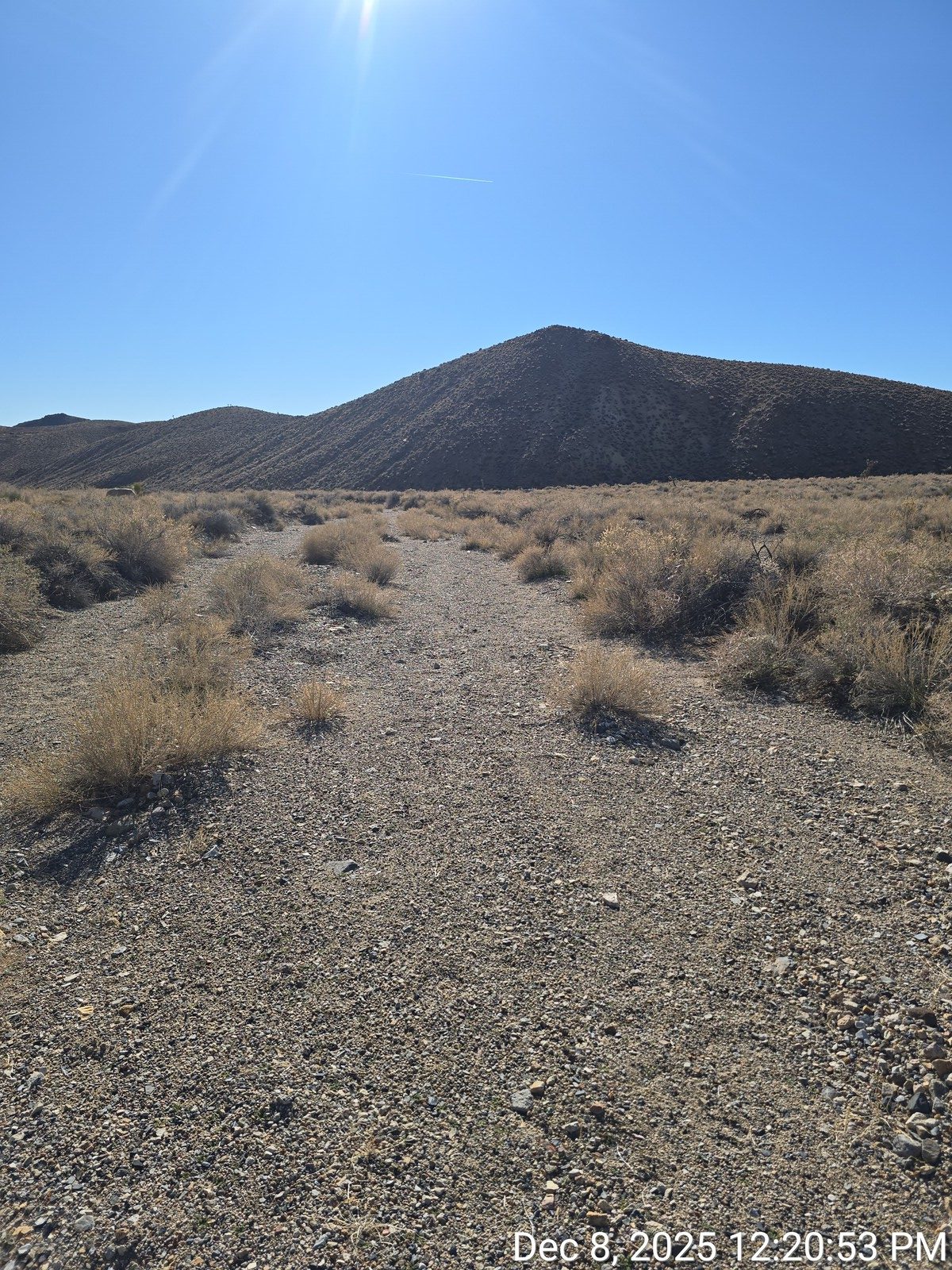
Location and Access: From Las Vegas, Nevada head north on US Highway 95 for 164 miles. Take a left on NV Highway 266 W. Head west on Highway 266 for 54 miles. Go through Oasis and drive north (on California side) then take a right on White Wolf Canyon Road. Drive 5 miles to the mouth of the canyon and then continue north for 2.5 miles on the canyon road directly to the claim. White Wolf Canyon road is county graded and appears in the video.
GPS Coordinates: Lat: 37.598806° Long: -117.880131° (Main Workings).
Mining and Exploration Potential: The White Wolf Placer 2 mine is located in a Good Hope District – which is an overlooked, but promising district near the California / Nevada border.
White Wolf Canyon is surrounded by historical gold and silver mines. We have sampled and staked several of these mines.
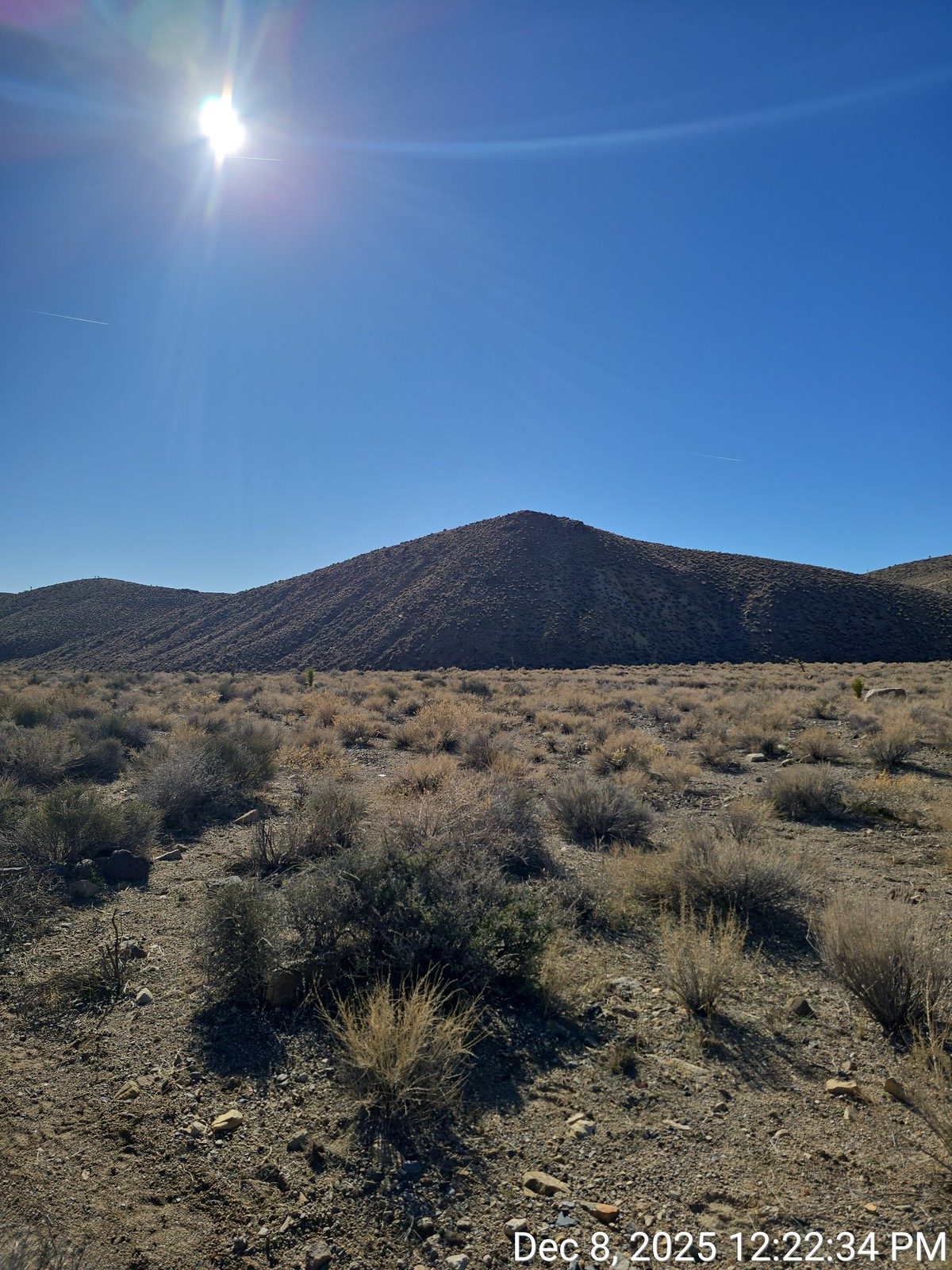
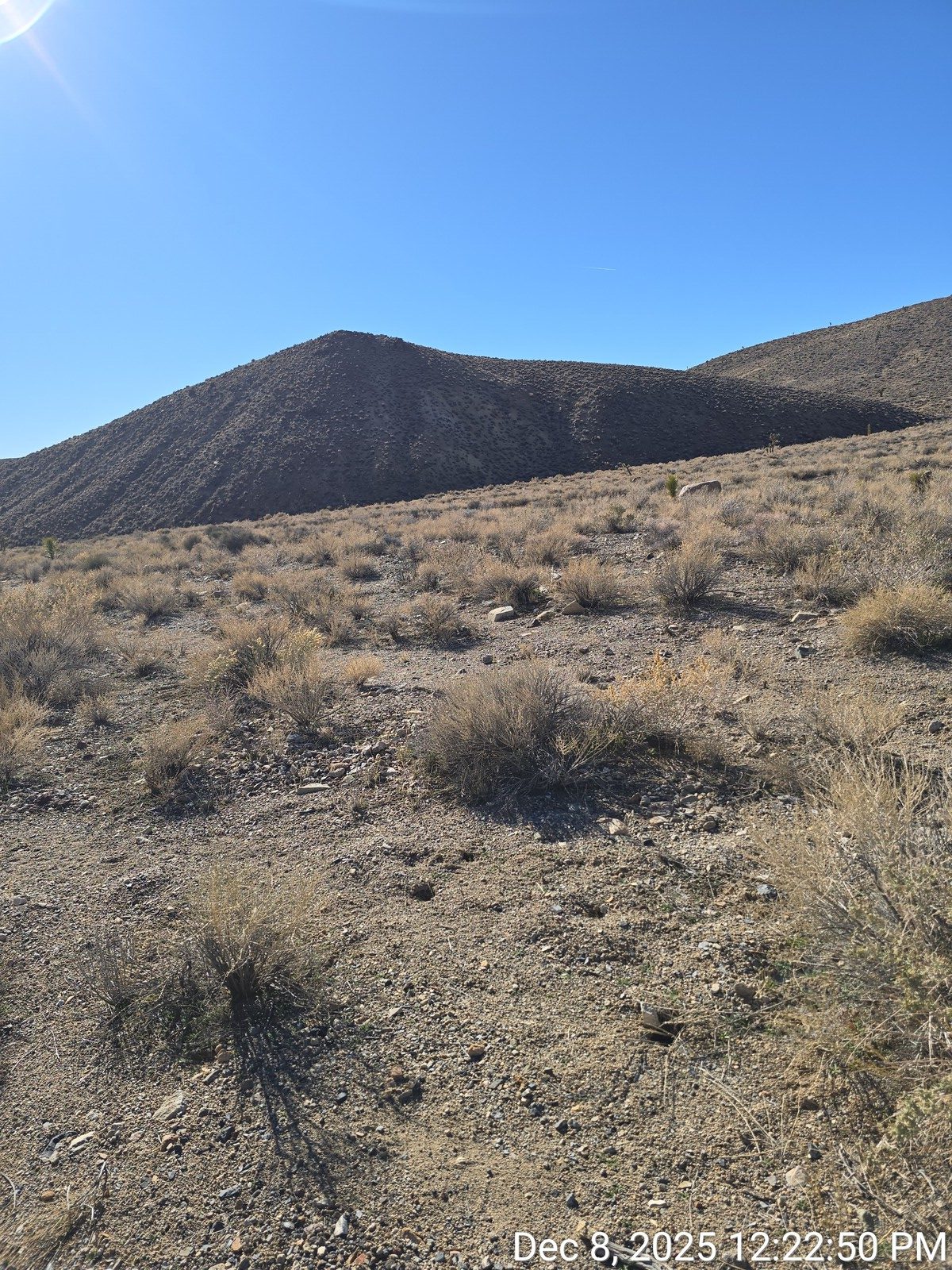
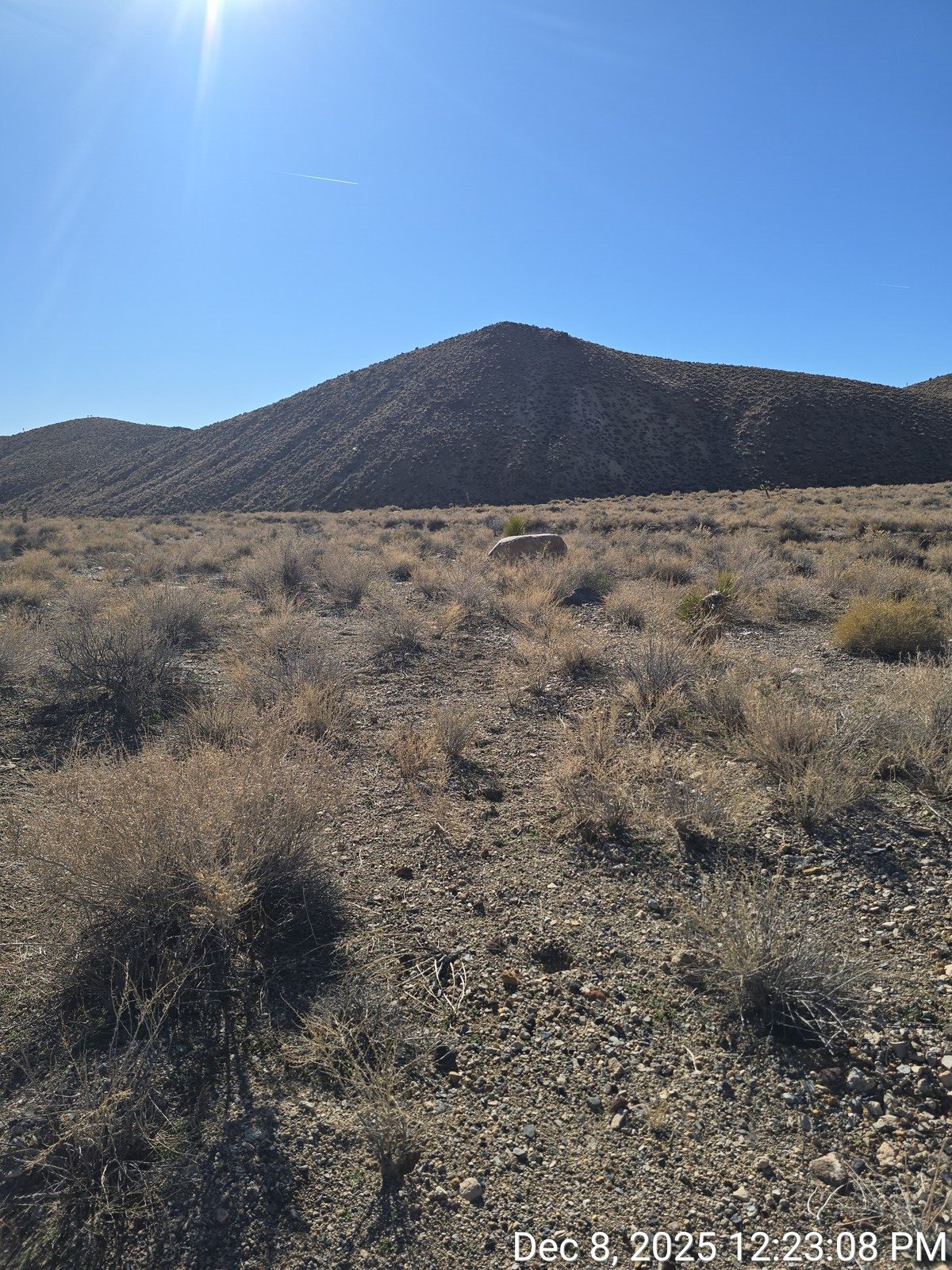
There are numerous small veins in the hills that have eroded into the main wash through desert flash floods and natural processes.
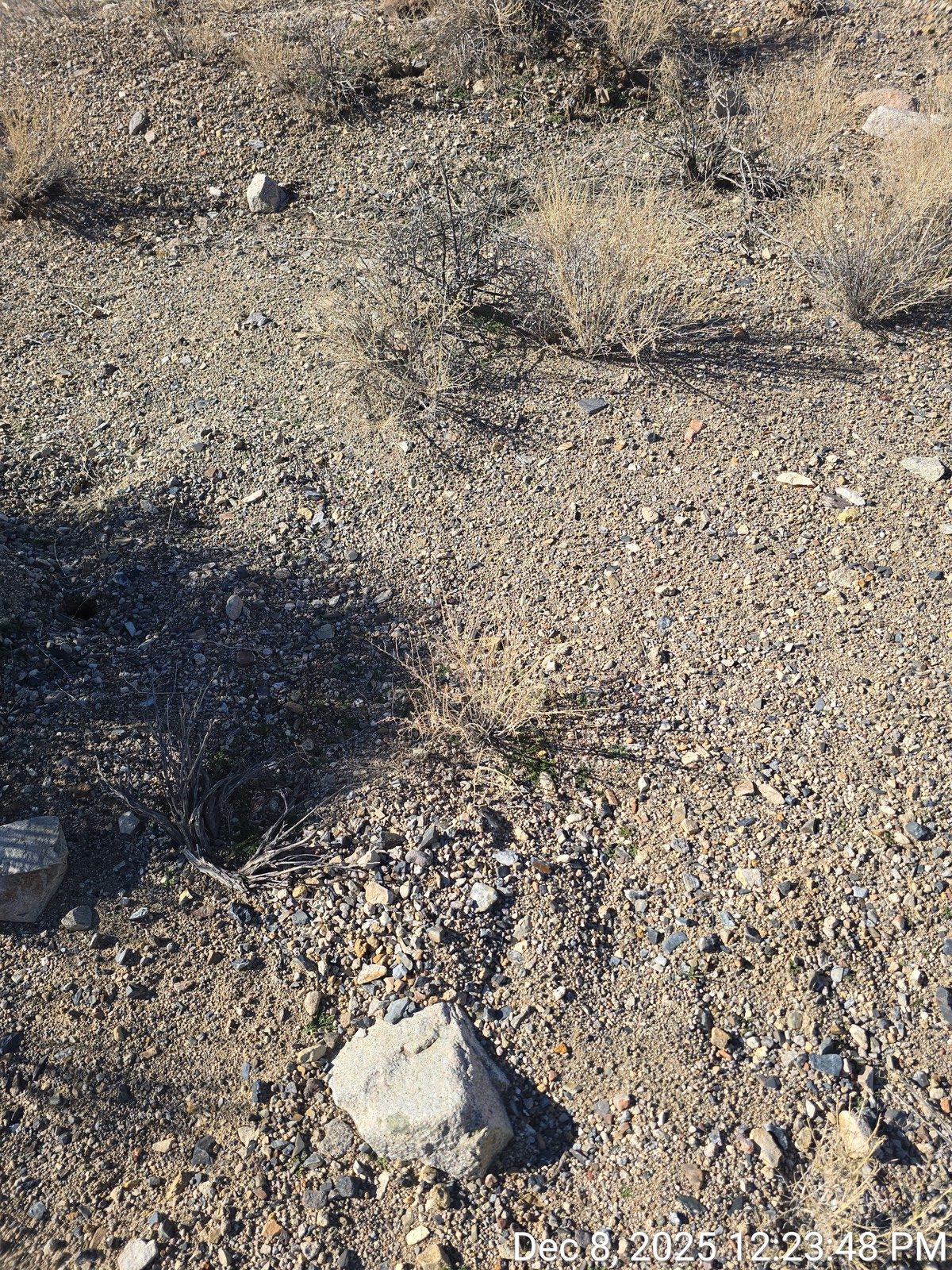
We estimate that depth to bedrock ranges from 3 feet to 15 feet in the deepest places. This canyon is very similar to Tule Canyon – but much larger.
Similar to other desert canyon placers we expect values to start about 1-3 feet depth then increasing in value down to bedrock where the best values are found.
Values of .3 to 1 gram per cubic yard would be about average in the pay zones.
White Wolf Canyon was not as heavily prospected as other canyons in Southern Nevada. This is probably due to being very remote with no ready access to water.
However, recently the county has graded the main access road making access to the claims very good.
Also, the improvements in dry washing technology and recirculated wet placer make this area technically feasible.
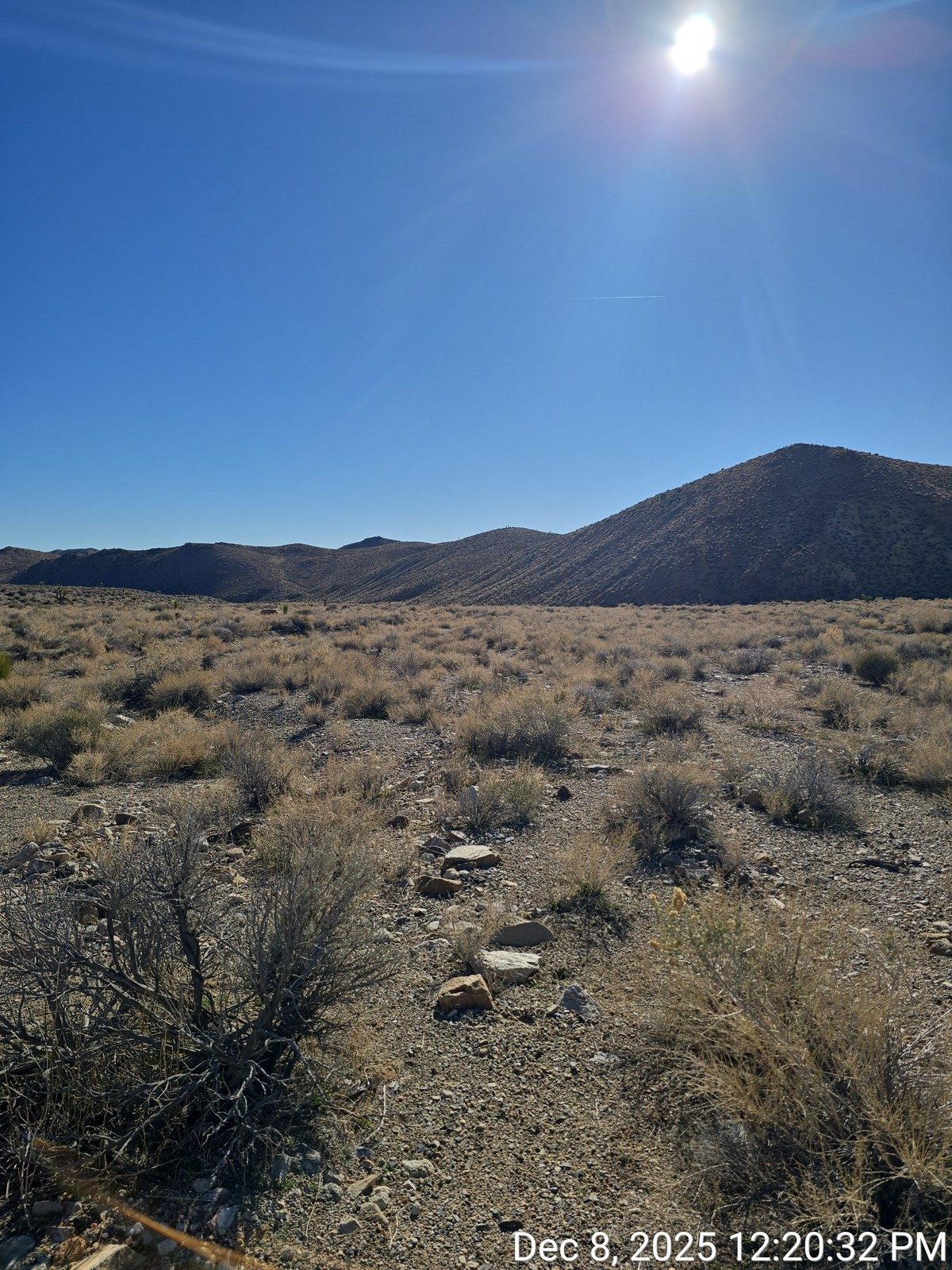
The White Wolf Placer 2 claim covers 1320 feet of the canyon plus several side gulches. The claim covers an intersection of two large washes and an associated alluvial fan.
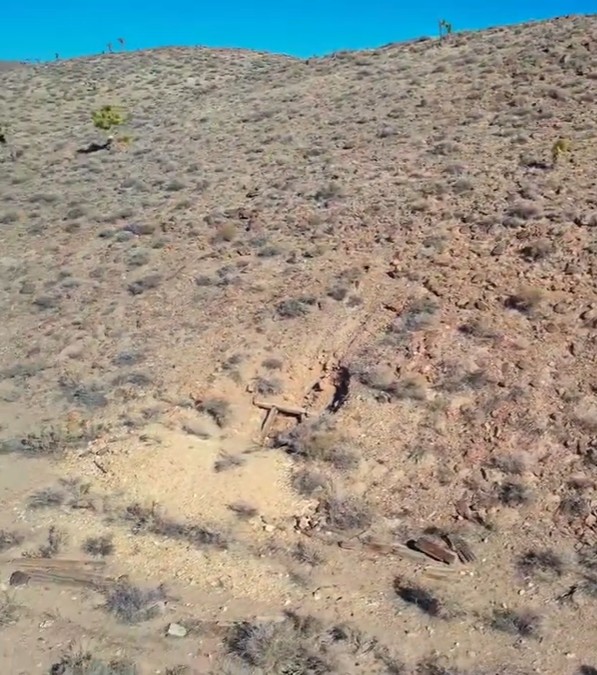
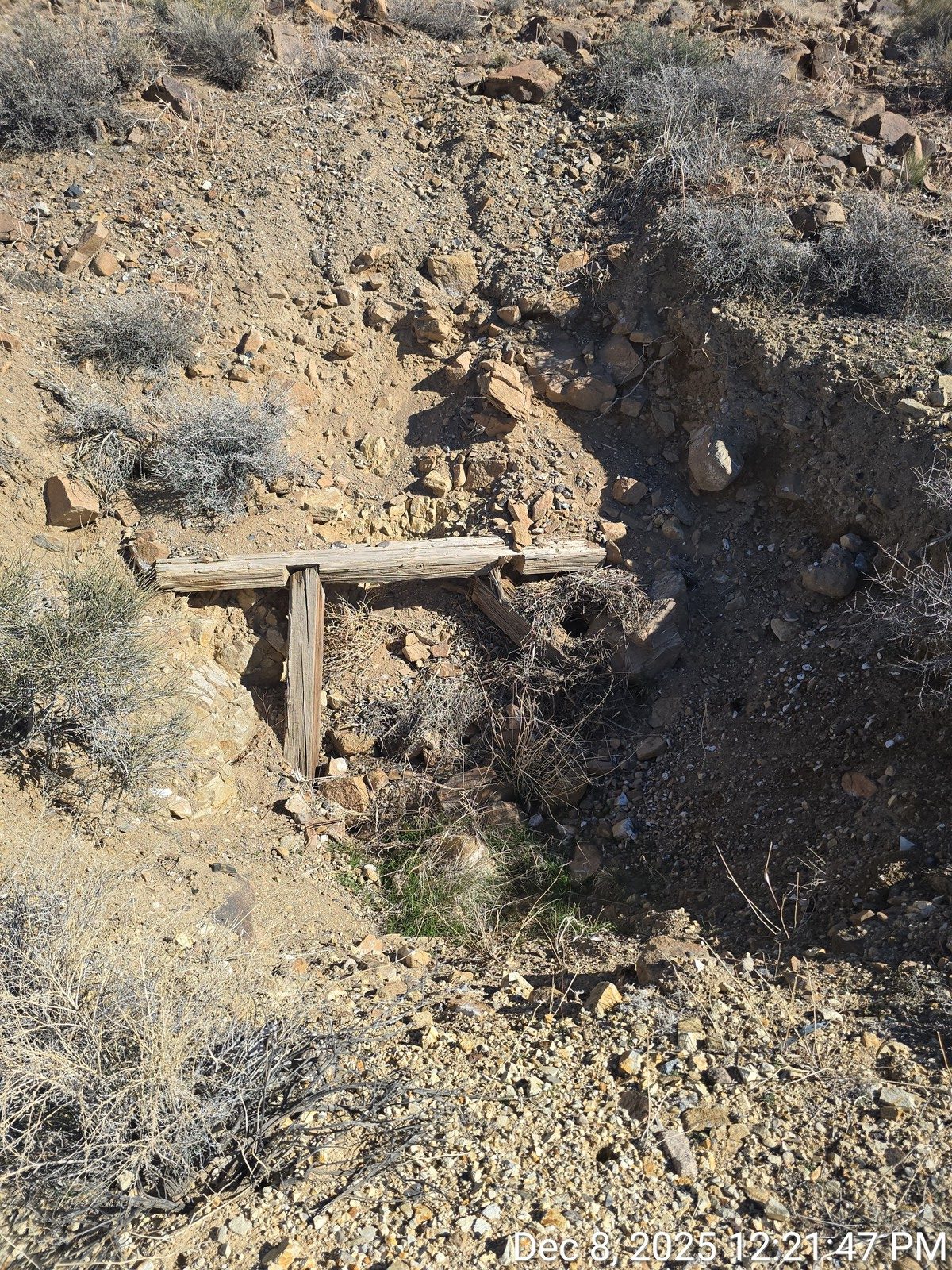
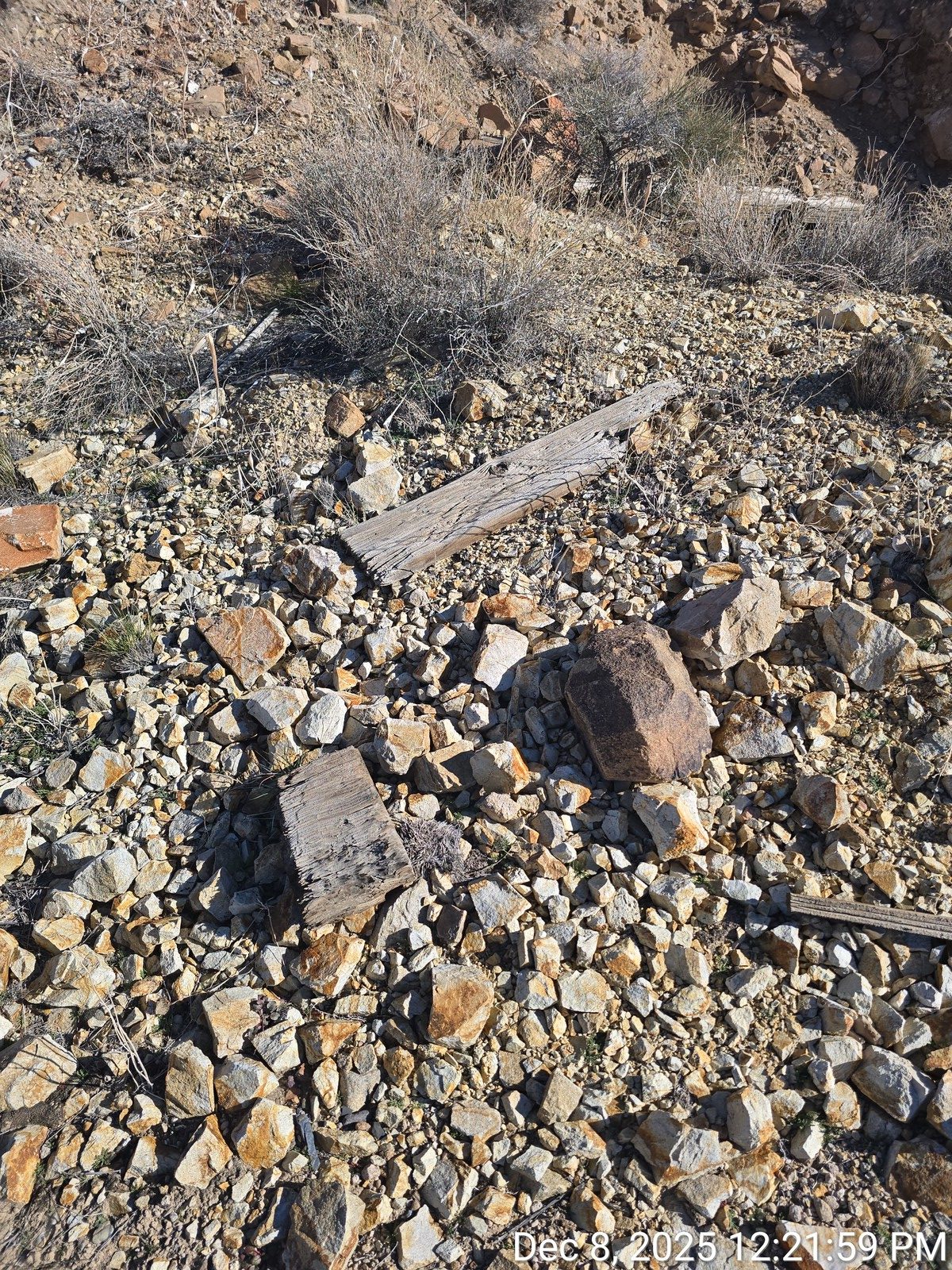
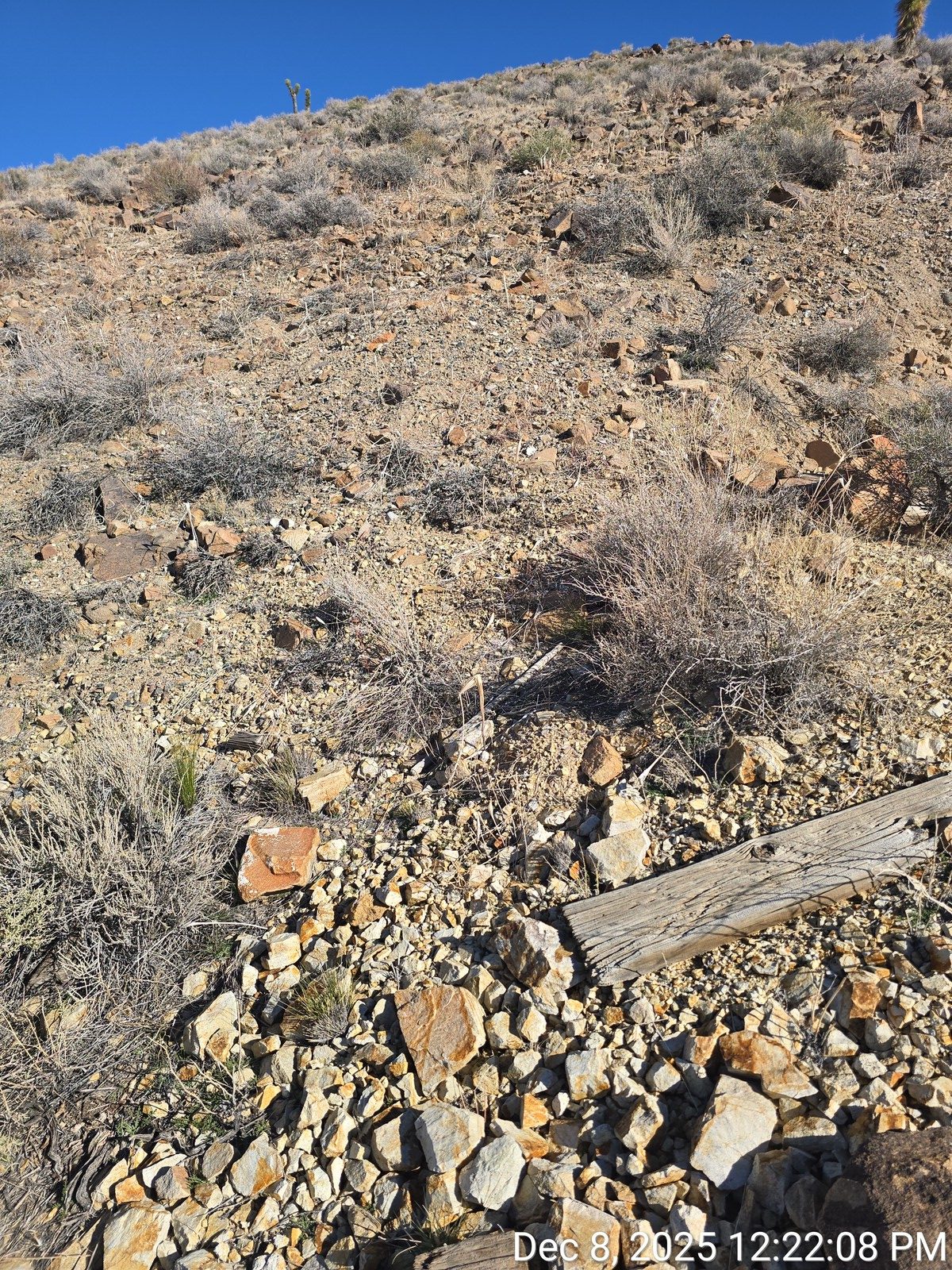
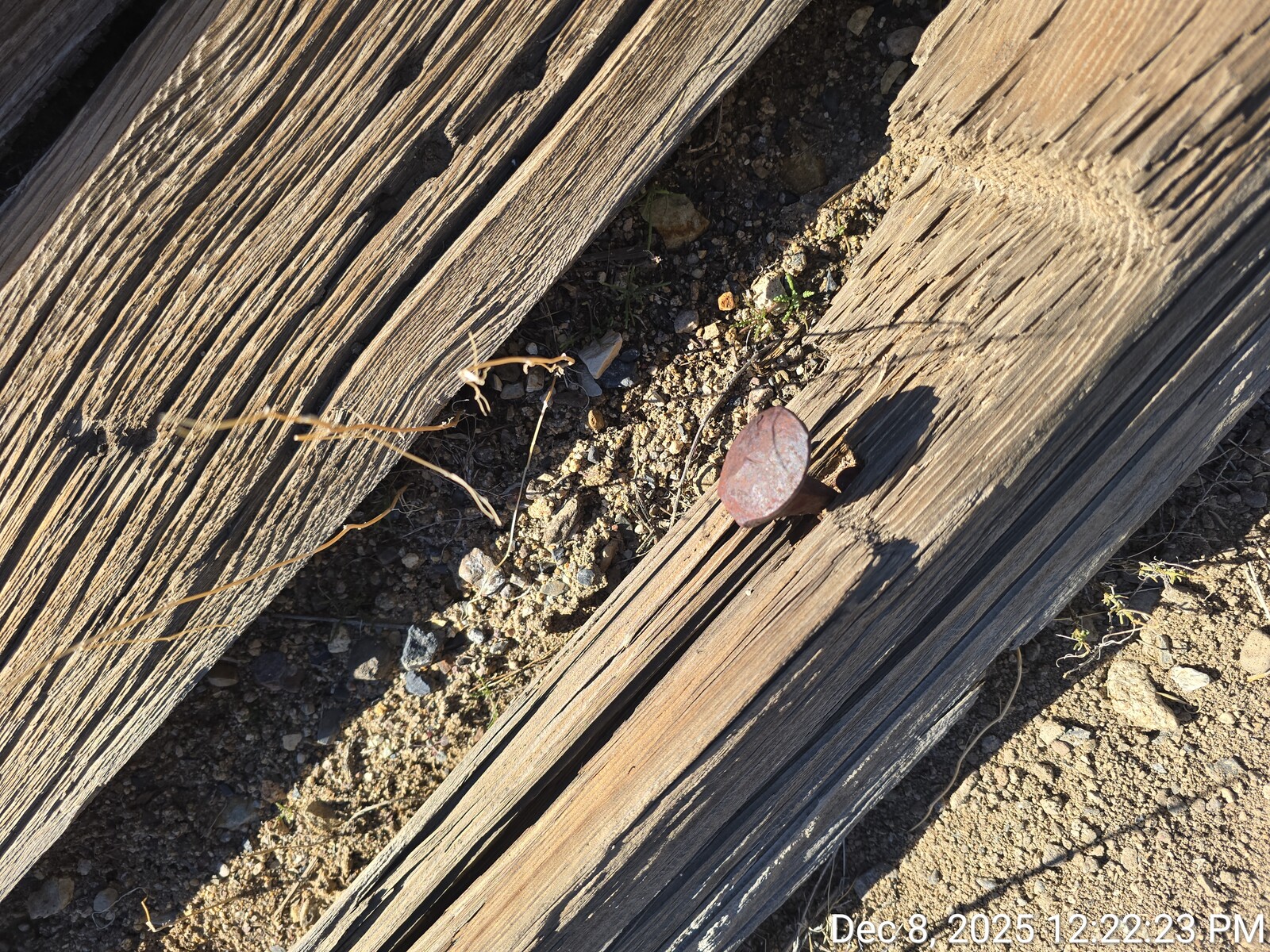
There is evidence of some past exploration work on the claim including a few small pits and trenches. There also seems to be the remains of an adit or drift mine (see pictures). This could be related to the placer workings and is roughly same age.
The old workings should be prospected first.
Finally, the hills may have some hardrock potential – similar to the entire area. Using this claim as your starting point additional exploration should be conducted for both placer and hardrock potential.
There is open ground all around the claim so it could be expanded.
The veins in the District are found near the contact between the quartz monzonite intrusive and the silicified limestones.
The Good Hope District lies in southern Esmeralda County, Nevada. The Palmetto area was discovered in 1866 during post-Comstock rush. Mines in the area produced direct shipping ore until about 1880 then closed down until after 1900.
The Good Hope Mine was the first producer and shipped ore to Furnace Creek, California. This is another claim I own.
There was a revival after the discoveries of Tonopah and Goldfield in the 1900-1905. The nearby Windypah District was discovered in 1903. Many mines produced up until WWII when the gold mines were closed by government decree.
The mines in this area have often been one and two man operations. The Good Hope District Report from the Nevada Bureau of Mines mentions a small active mining operation in the 1980’s.
In 2010, Redstar Gold and a large mining company partner drilled the Oasis Divide project and discovered a large, but deep copper-gold porphyry system. Redstar Gold sold their Nevada portfolio to NV Gold in 2014 which currently owns the Oasis Divide property. The copper porphyry discovery shows the potential for this district and helps explain the abundant copper oxides in the veins.
Regional Geology: The White Wolf Placer 2 mining claim is located in the Walker Lane mineral belt which is part of the Basin and Range physiographic province. The Basin and Range province covers most of Nevada and consists of narrow NE trending mountain ranges between flat, arid valleys and basins.
The Walker Lane mineral belt is an area with a high density of parallel strike-slip faults extending from Reno to Las Vegas roughly along the California- Nevada border. Faulting and volcanic activity make the Walker Lane favorable for hosting gold and silver deposits including some of the most famous precious metal mining districts in the US including the Comstock, Goldfield, Tonopah, Bullfrog, Mineral Ridge, and Round Mountain.
Local Geology: White Wolf Canyon lies in a typical Basin-and-Range mountain setting where older sedimentary rocks were later cut by a large intrusive body called the Palmetto pluton, made mostly of quartz monzonite (a light-colored rock rich in feldspar and quartz). Heat from the intrusion hardened and altered nearby rocks, and later episodes injected narrow igneous dikes and mineral-bearing veins along fractures. Over long periods of uplift and faulting, erosion opened the canyon and gradually broke down the veins and altered rock, releasing heavy minerals into the drainage. During storms and seasonal runoff, these dense grains were carried downstream and concentrated by flowing water in cracks in bedrock, behind boulders, and on inside bends—forming the placer deposit found in the canyon today.
The veins in the nearby mines average between 1-3 feet wide – and may widen at fault intersections or breccia zones.
The Little Bonanza vein adjoining White Wolf Canyon assayed between .48 to .94 ounces per ton. There are historical reports of rich pockets in the historical mines over 10 ounces per ton gold.
Available Reports:
Albers, J.P. and Stewart, J.H., Geology and Mineral Deposits of Esmeralda County, Nevada, Nevada Bureau of Mines and Geology, 1972.
Jeanne, R.A., ‘Preliminary Report on the Exploration of the Heavy Rock Property, Esmeralda County, Nevada’, CR Exploration Company, 1983.
Lincoln, F.C., ‘Mining Districts and Mineral Resources of Nevada’. Nevada Publications. 1983 reprint of 1923 Original.
Patera, A., ‘Palmetto, Sylvania, and Tule Canyon, Nevada’, Western Places Vol. 11, No. 4, Western Places, 2022.
Tingley, J.V., Good Hope District Summary Report, Nevada Bureau of Mines and Geology, 1983.
FAQ
Why Nevada?
Nevada is consistently ranked as one of the top mining jurisdictions in the world for being mining-friendly and continuing to produce major discoveries. If Nevada was a country it would be the 5th largest gold producer in the world (after Australia, Canada, China, and Russia). Nevada is home to the Carlin Trend, the Cortez Trend, the Walker Lane Trend, the Getchell Trend and many other prolific gold producing regions. In addition to gold Nevada also has major mines producing silver, copper, lithium, iron ore, magnesium, gems and many other minerals. Nevada is 85% owned by the federal government and most of this land is available for claim staking. This means some of the best mining ground in the world is open to small prospectors – a very unique situation. There are many mining companies active in Nevada and therefore, multiple potential buyers for any discovery you make. Canadian based junior exploration companies are particularly active in Nevada.
Why Buy a Claim?
Buying a claim is a great way to get started in mining and prospecting. Buying a claim that is professionally staked reduces your upfront work and the risk of making a mistake on your paperwork or in the field. Our claims are in areas with historical mining activity and most have numerous pits, shafts, and adits to explore. Finding these claims takes lots of research that is already done for you. The best place to find gold is where people have already found it!
Why Us?
I have been working in mineral exploration in the southwestern United States and Alaska for 23 years. I have co-founded four junior mining companies and managed numerous drilling and exploration projects. I have worked with large and small mining companies and know what types of projects they are looking for that can be advanced by small prospectors. I have also worked on small hardrock production projects. I usually try to find claims that have known high grade veins that can be produced and that also have some exploration upside. We stand by our claims and fix any problems that come up. We can also help you with your annual filings. All the claims have professionally drafted and accurate maps.
How is ownership of the claim transferred?
Ownership of mining claims is transferred with a Quitclaim Deed which we prepare. We pay all claim transfer fees and file the claim transfer paperwork with the BLM and Esmeralda County. The BLM takes about 2-3 weeks to process the claim transfer and register the claim in your name. The Esmeralda County Recorder usually takes 1 day to process Quitclaim Deeds if they are electronically filed. Once the transfer is complete we will send you all the original documents including the file stamped Quitclaim Deed, the original location notices and claim maps.
How Much are the Annual Claim Fees?
The BLM charges a $200 per claim annual maintenance fee which is due on September 1st each year. The BLM fees can be paid online through their claim management portal. Esmeralda County requires that a Notice of Intent to Hold form is filed the first year by Nov 1st along with payment of the recording fee of $12 plus $12 per claim.
If you own less than 10 mining claims you can qualify for a waiver of the annual maintenance fee by filing a Small Miner’s Waiver. However, the Small Miner’s Waiver requires that you perform $100 in labor or improvements on the claim each year.
Claim fees are next due September 1st, 2026.
International Buyers
International buyers must either have dual US citizenship and US address or have a US entity or company to own the claim.