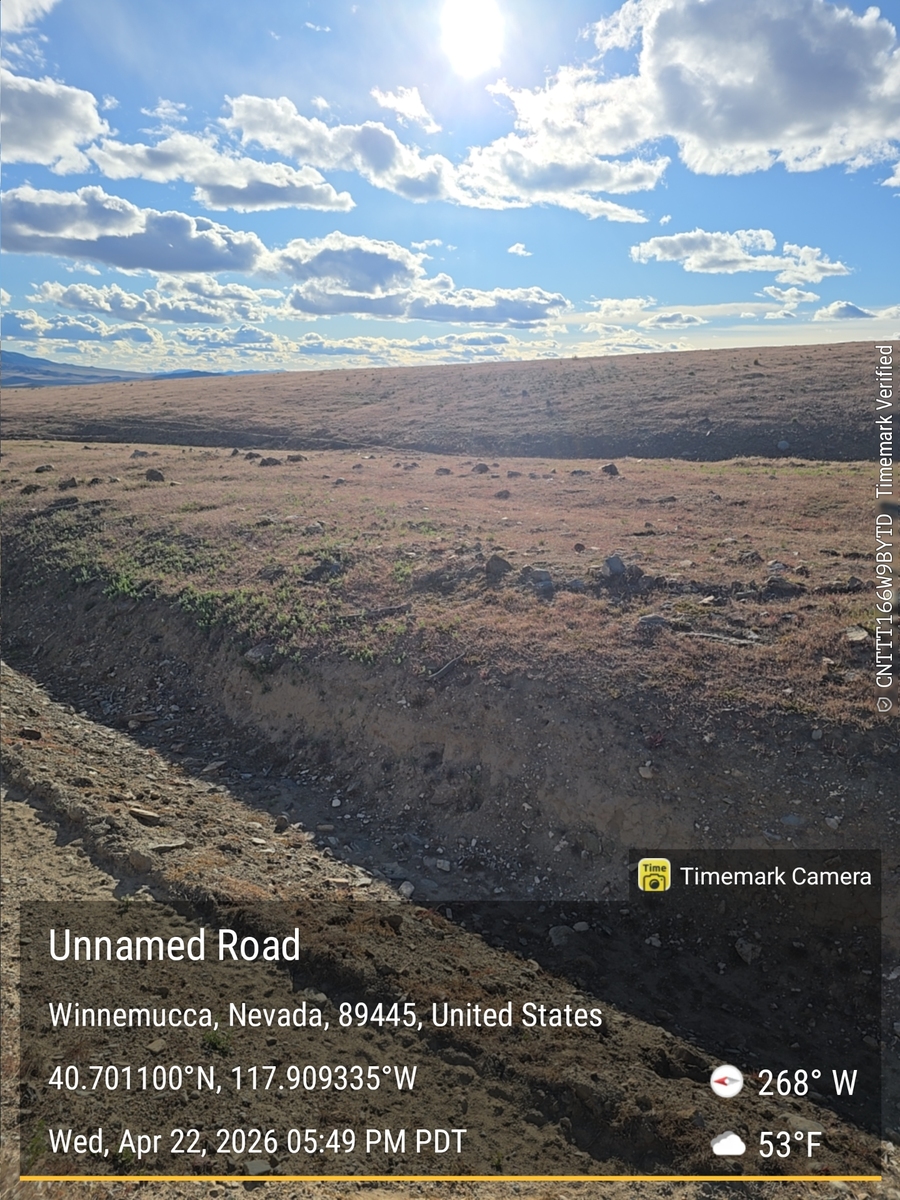
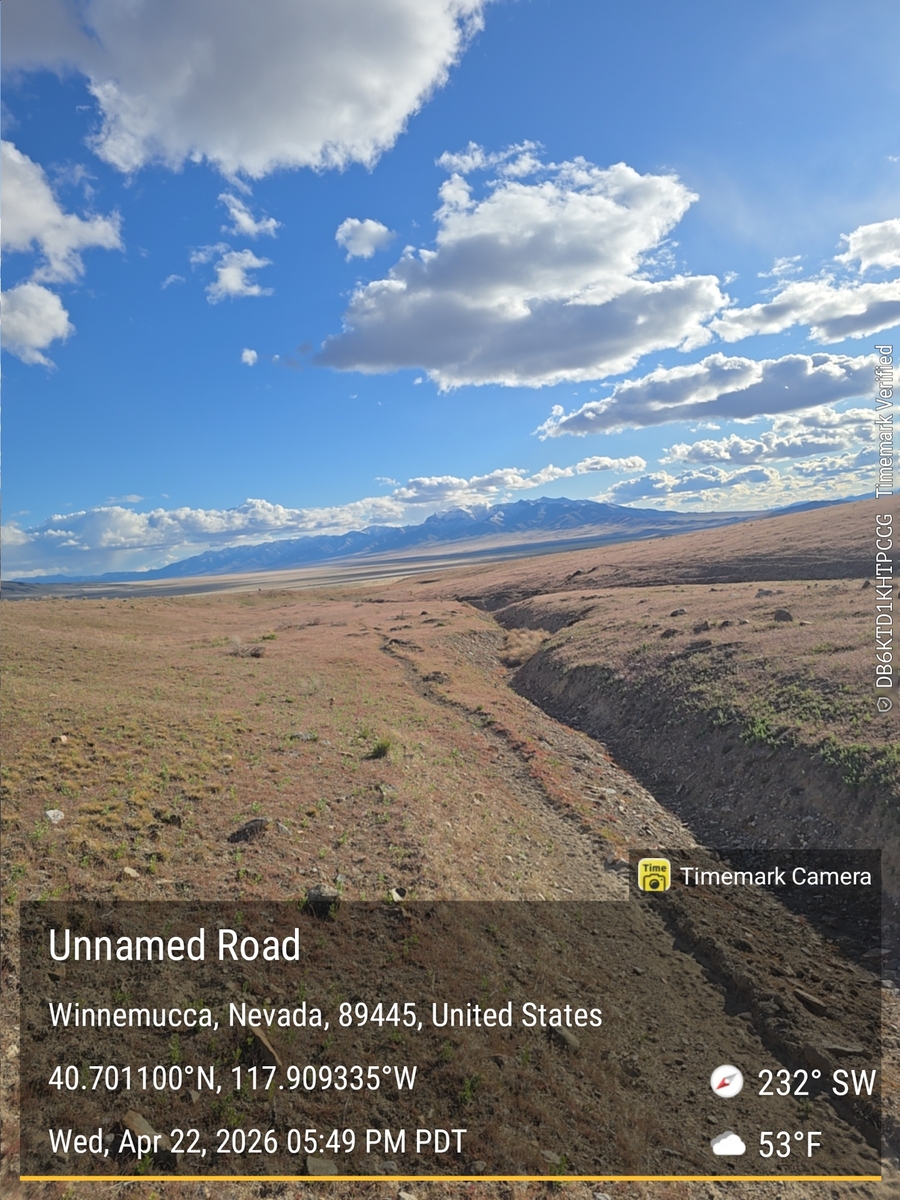
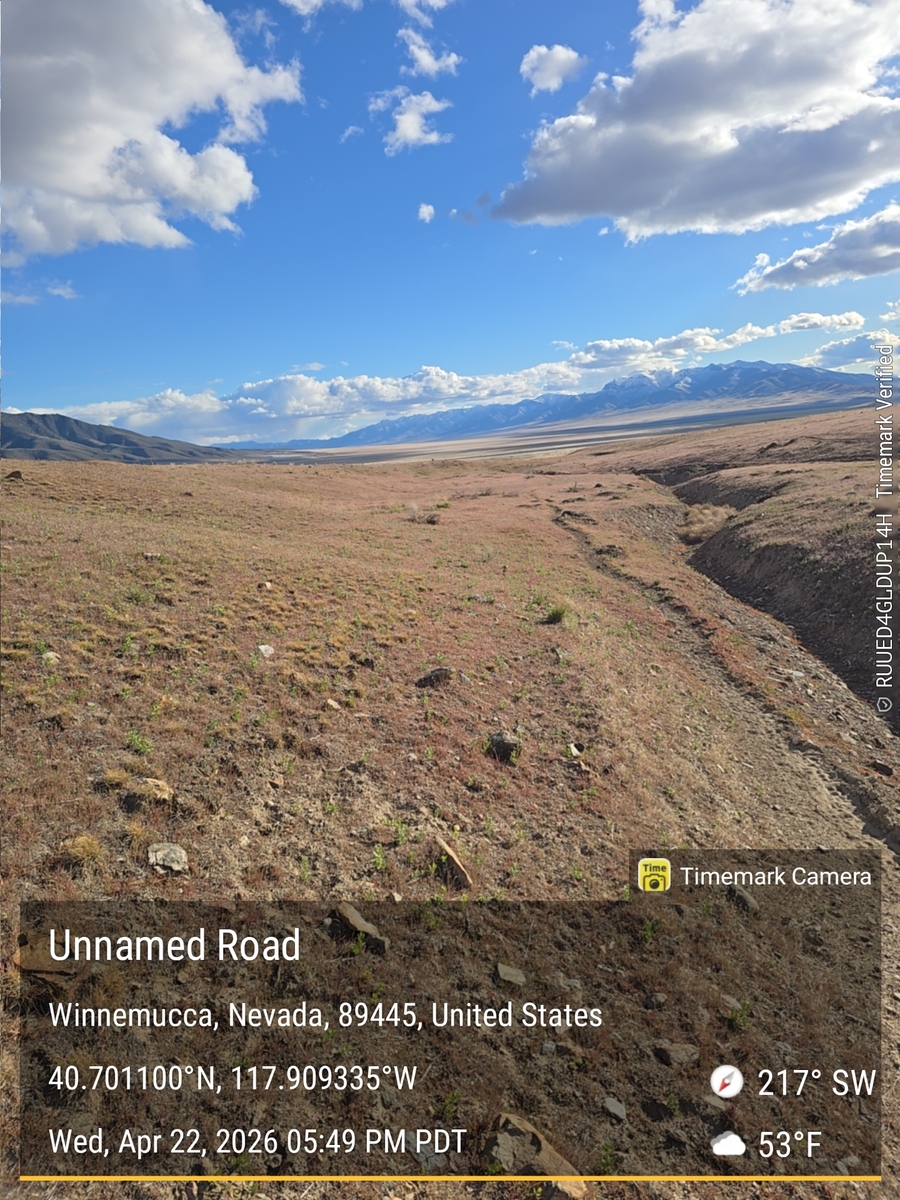
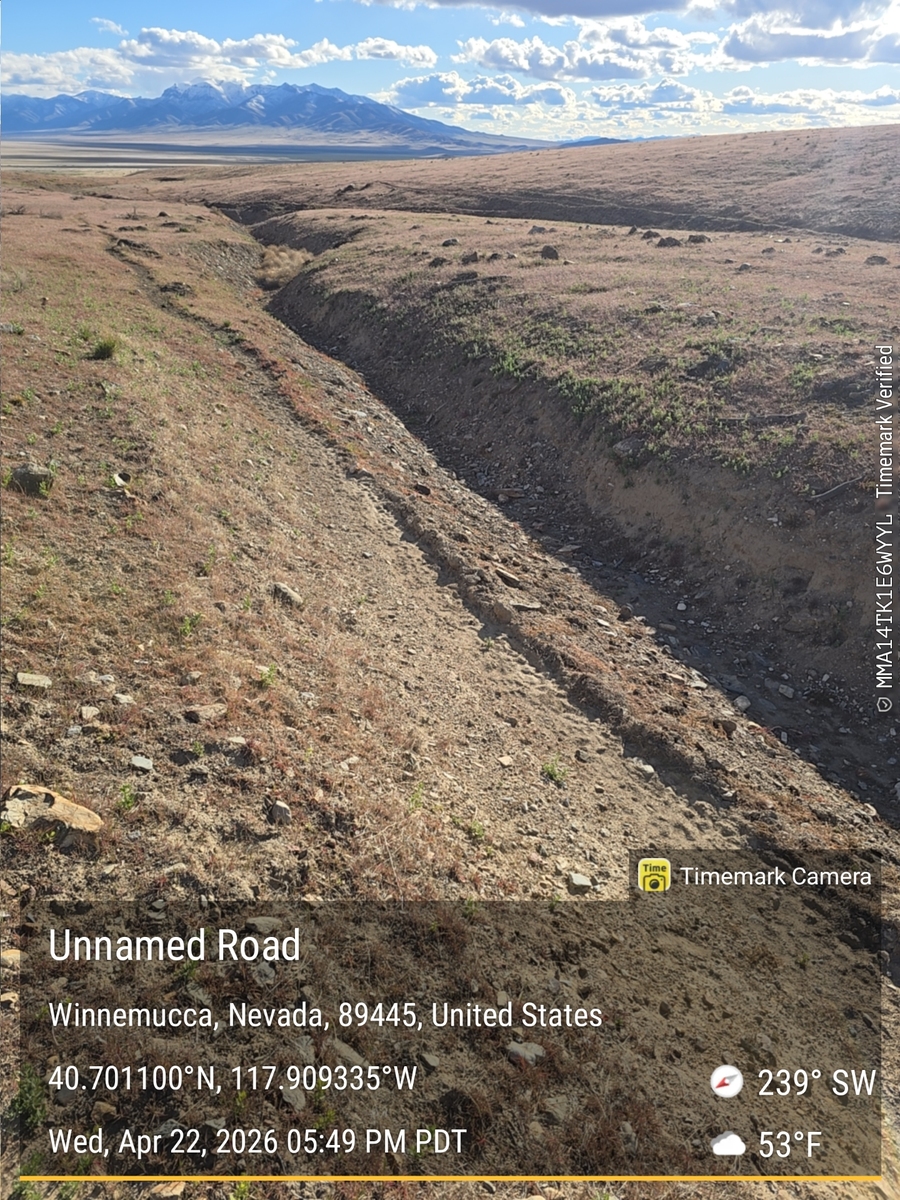
BARBER GOLD MINING CLAIM
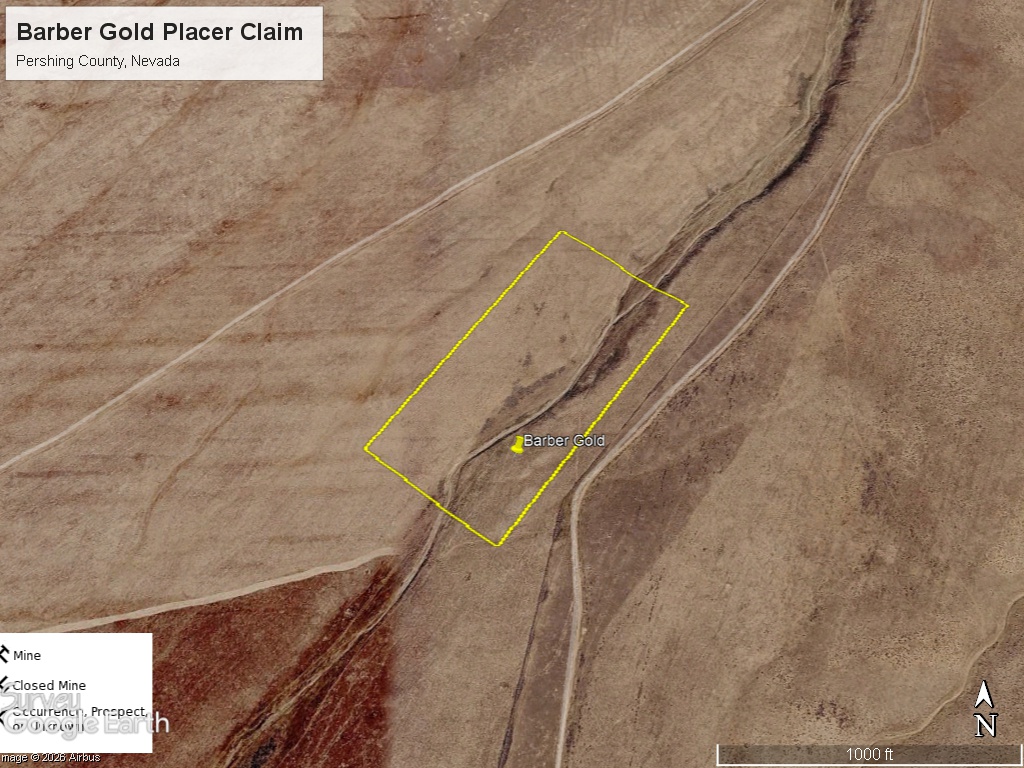
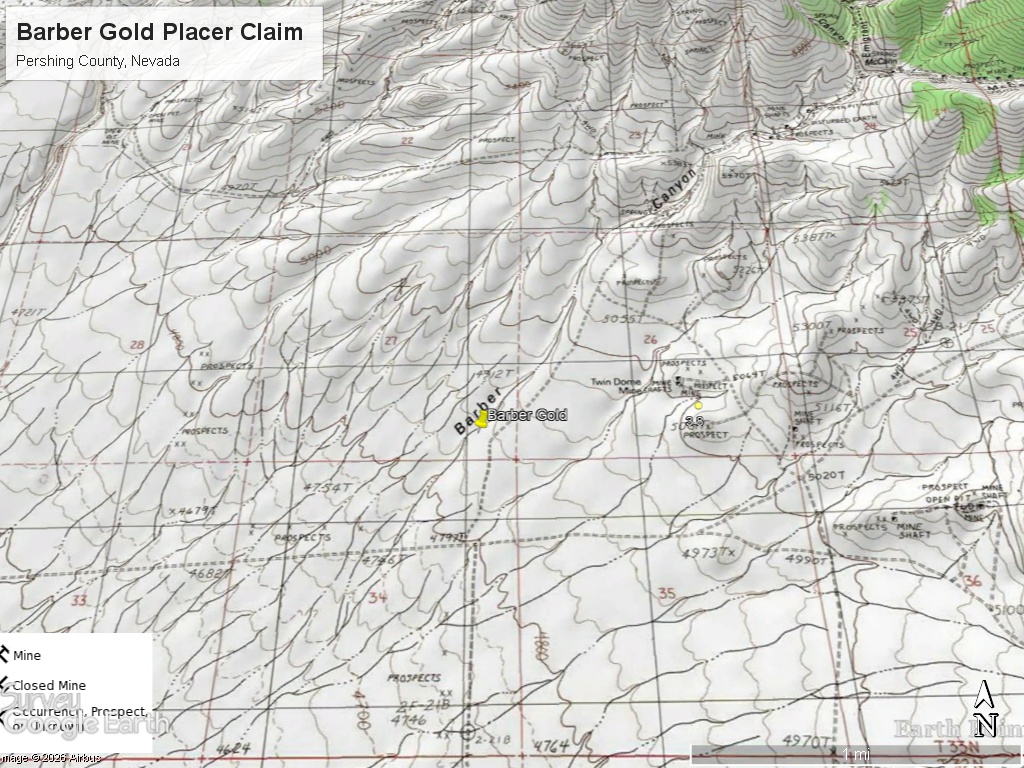
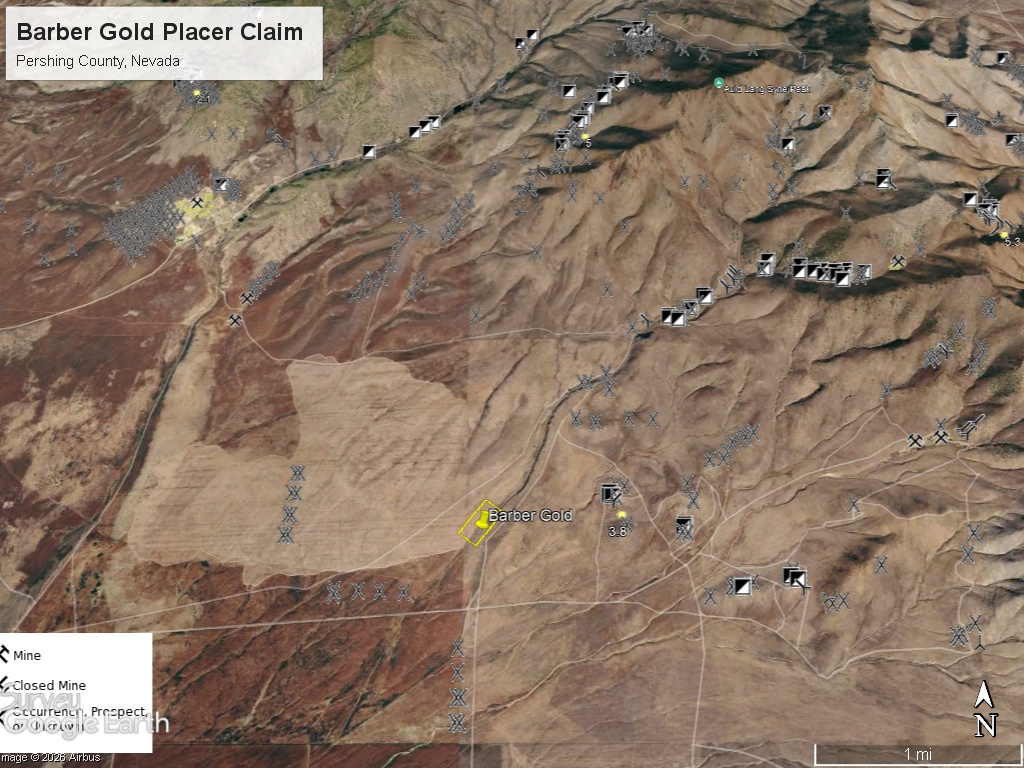
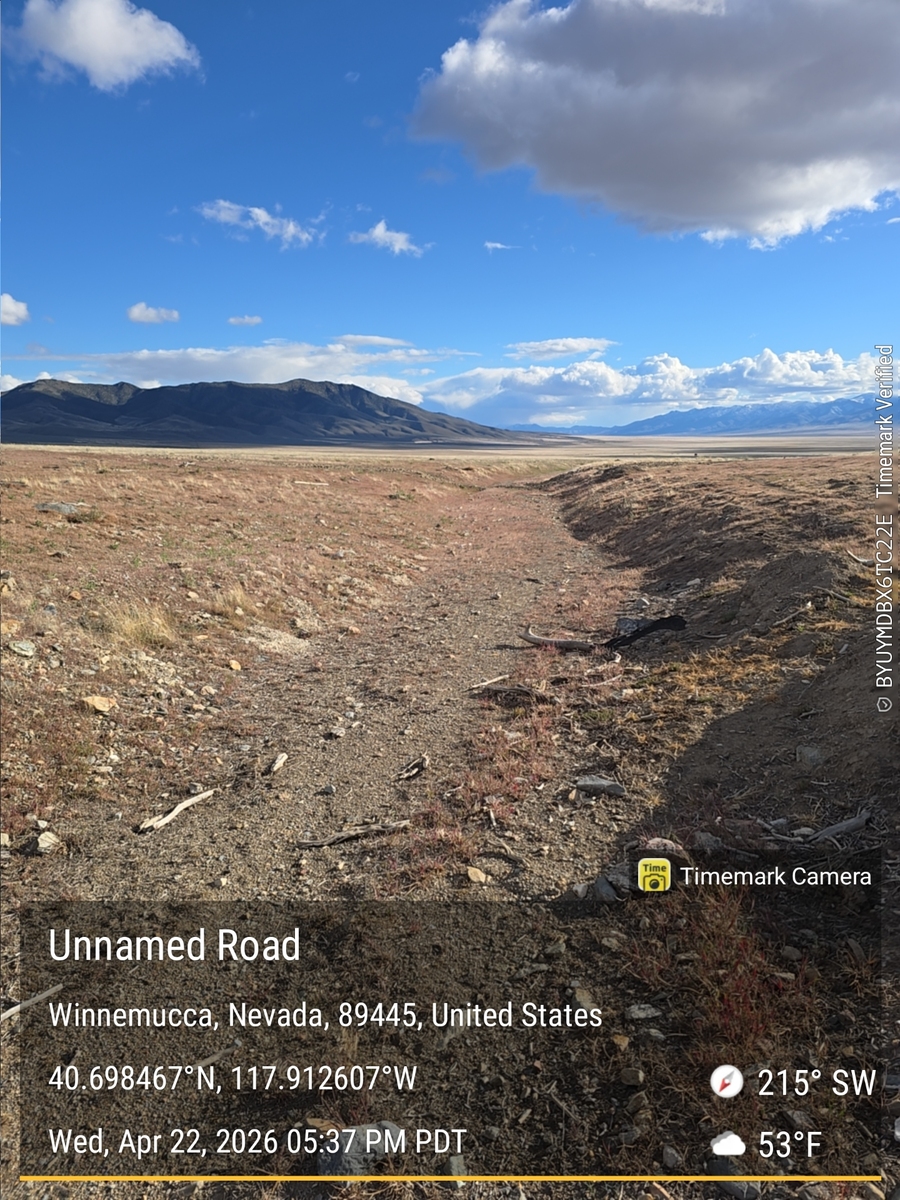
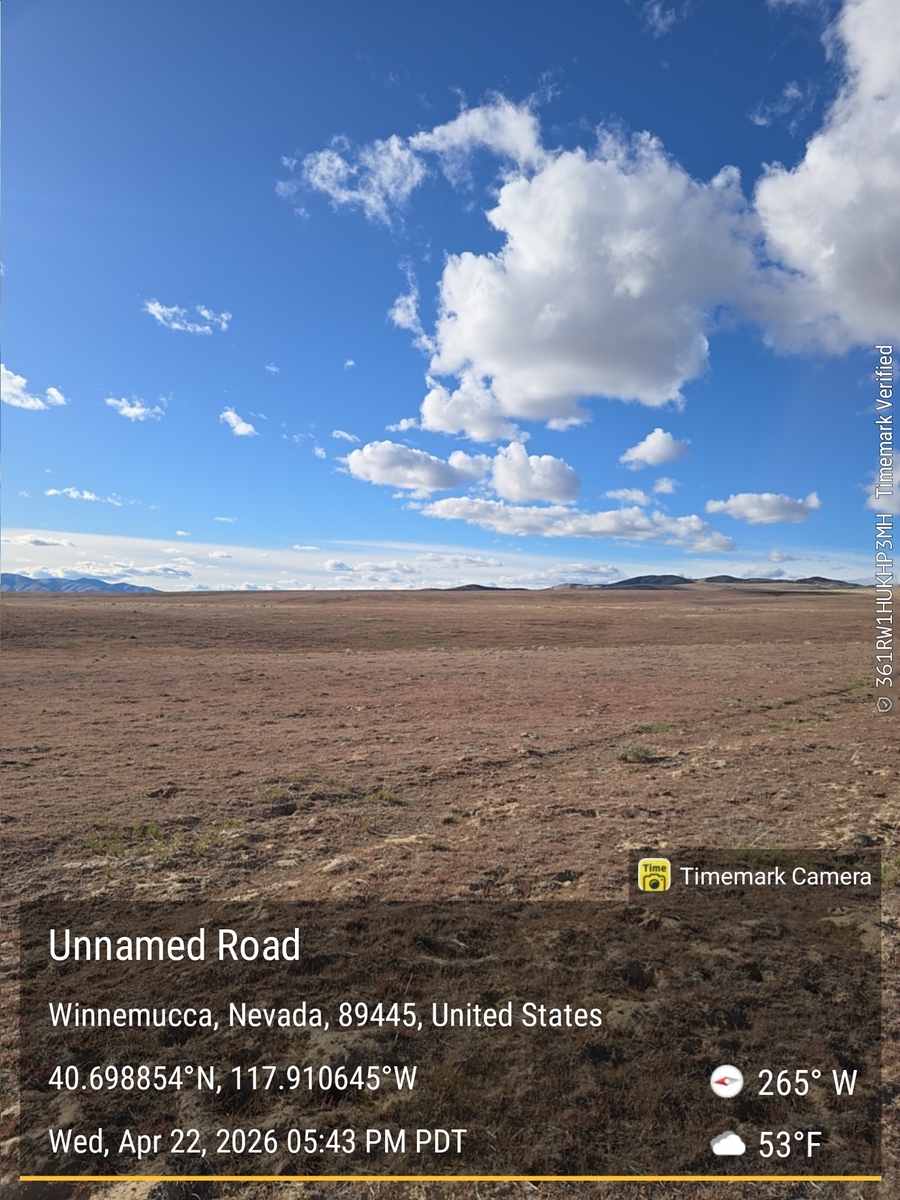
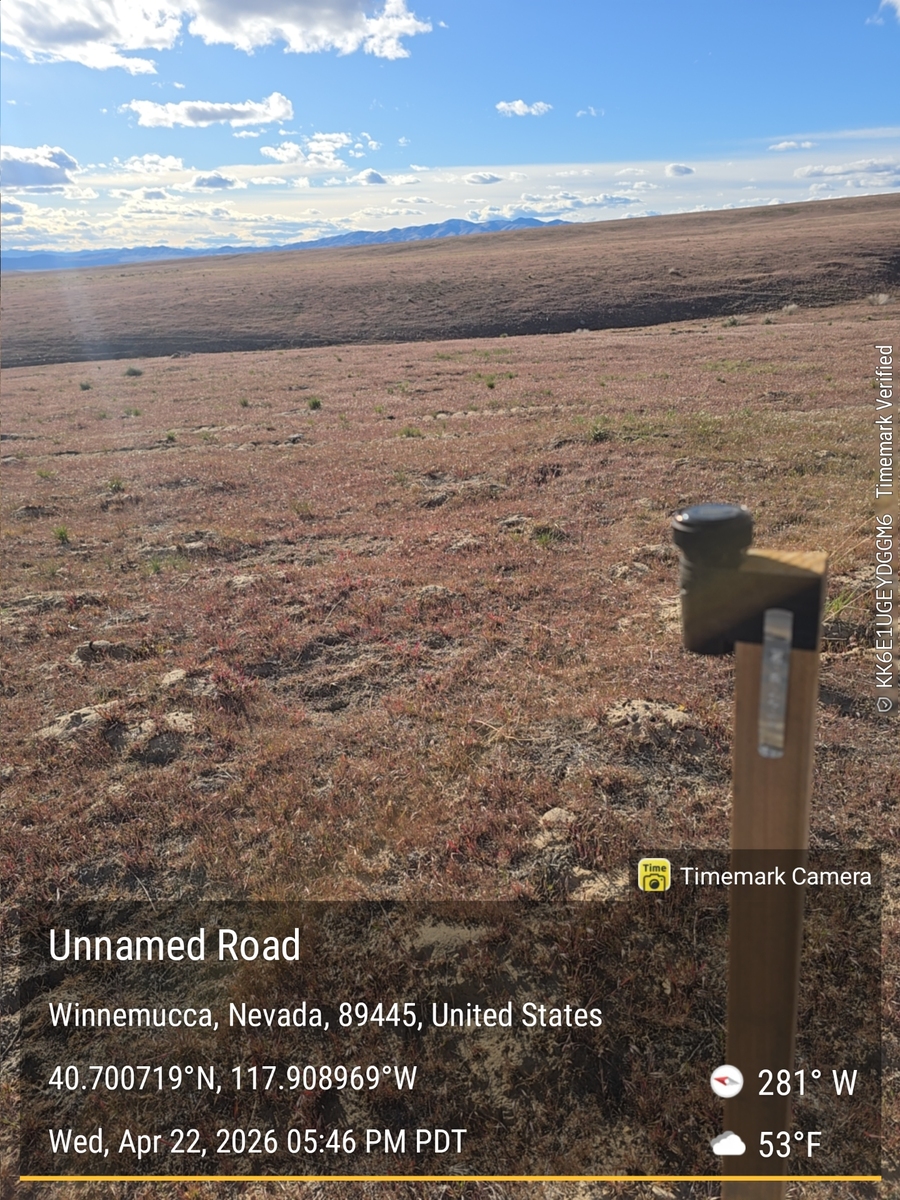
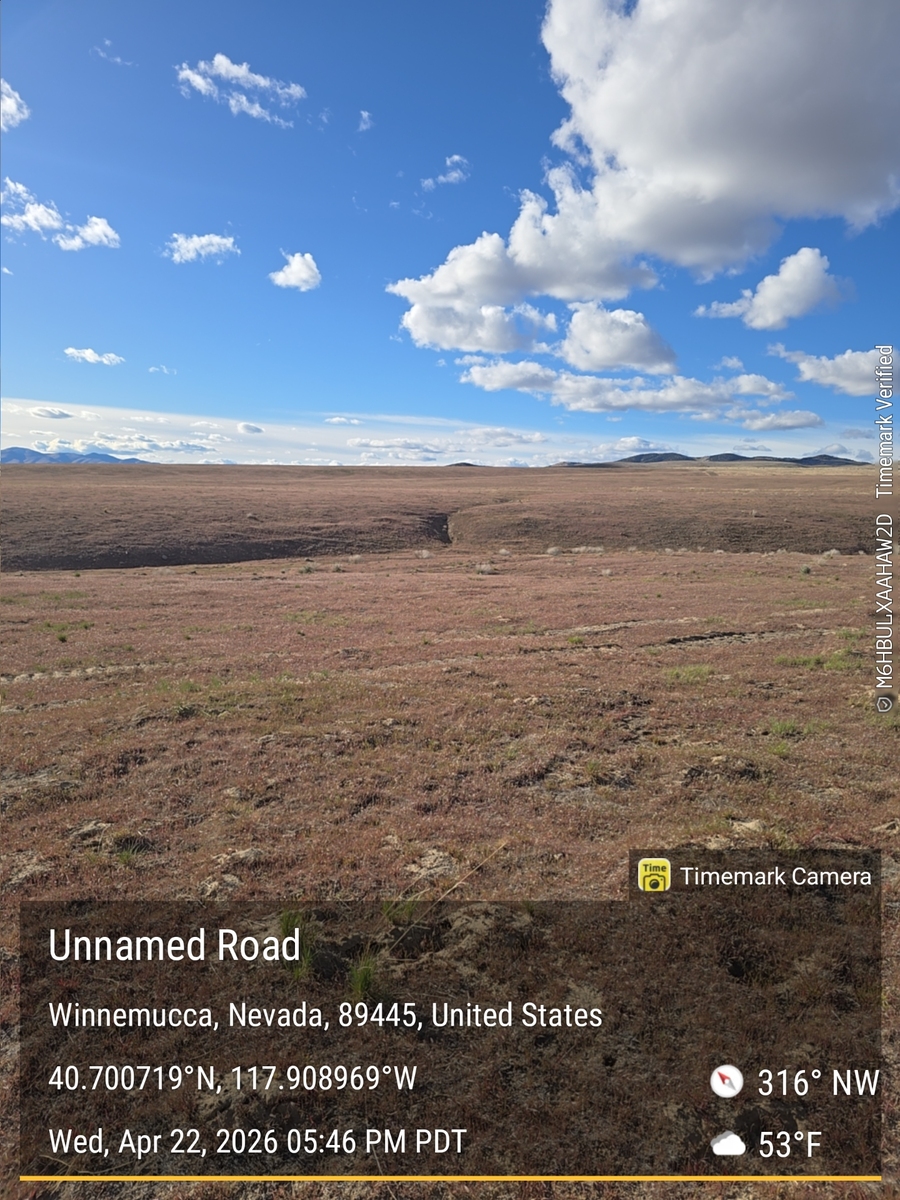
The Barber Gold claim consists of one (1) unpatented placer mining claim, covering 20 acres, on federal land managed by the U.S. Bureau of Land Management. The claim covers an historical placer mining area known as the ‘Barber Placers’ in the Sierra District, Pershing County, Nevada.
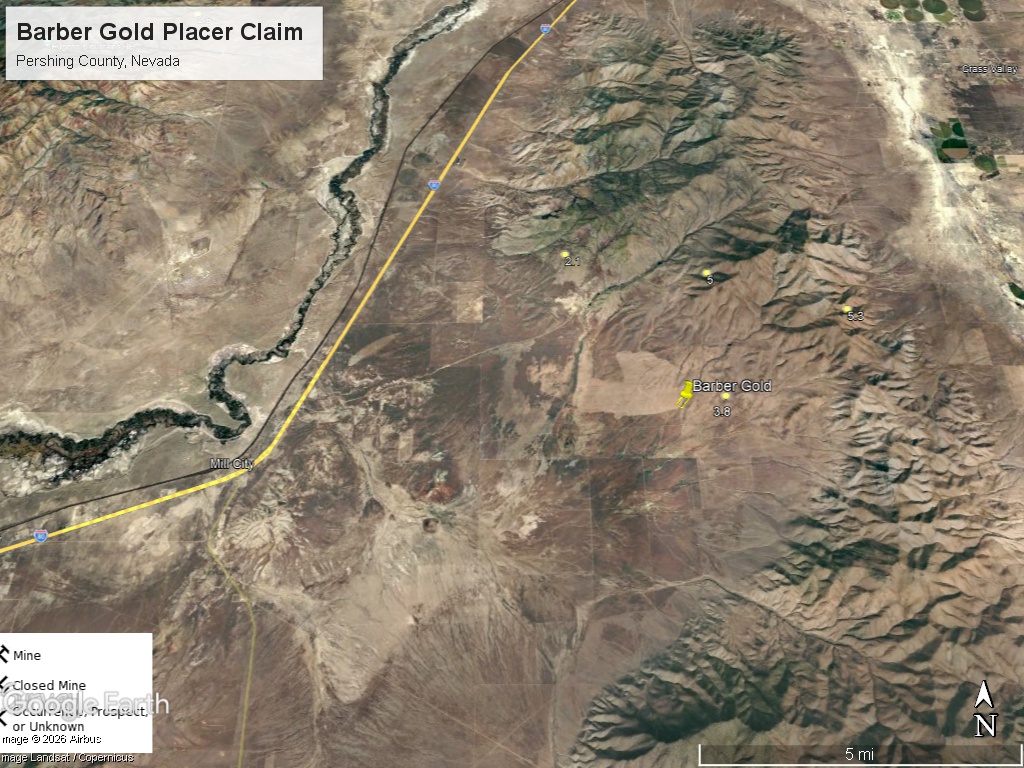
The Barber Gold claim is near other famous Nevada placer districts such as Dun Glen Canyon, Rockhill Canyon, and Willow Creek.
Placer gold deposits in the Sierra District are the most productive in Nevada with estimated production of $4 million when gold was $20 per ounce.
Historical reports mention that over $2 million was recovered from Auburn and Barber Canyons between 1870 and 1890.
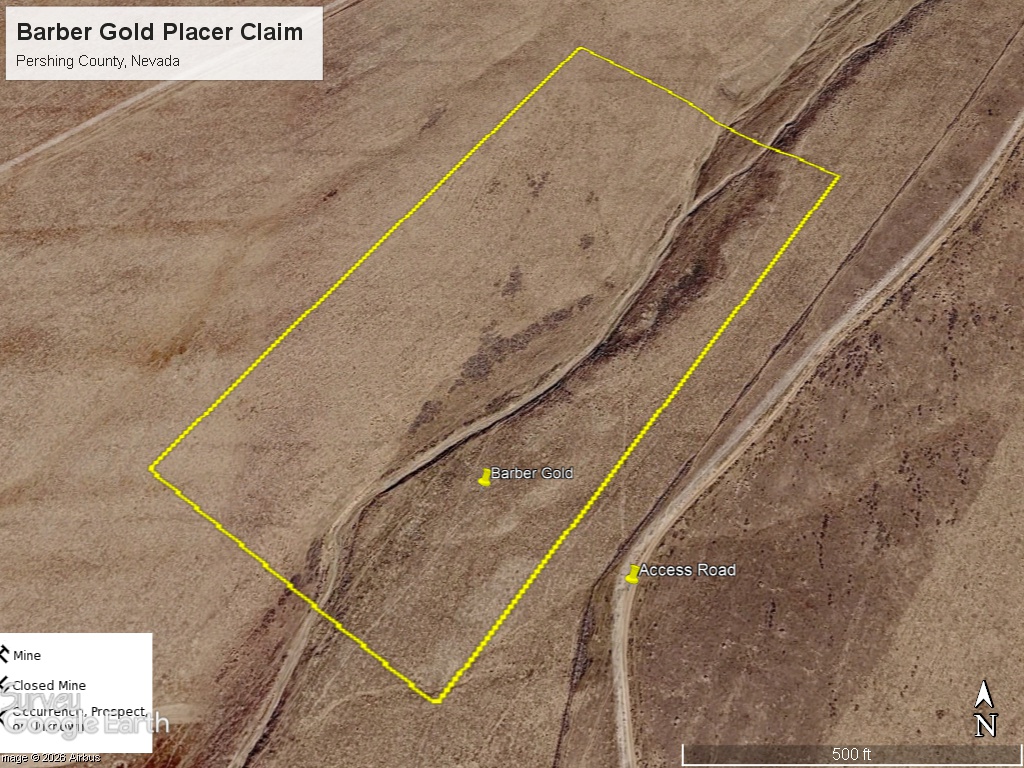
Directions: From Winnemucca, Nevada drive south on the I-80 to Dun Glen Rd (28 miles) just north of Mill City, Nevada. Go east on Dun Glen Rd and turn on Barber Canyon Rd. Drive 7.4 miles to the claim. There is an access road that goes north directly to the claim from Barber Canyon Road about .42 miles. I can provide detailed maps and gps coordinates.
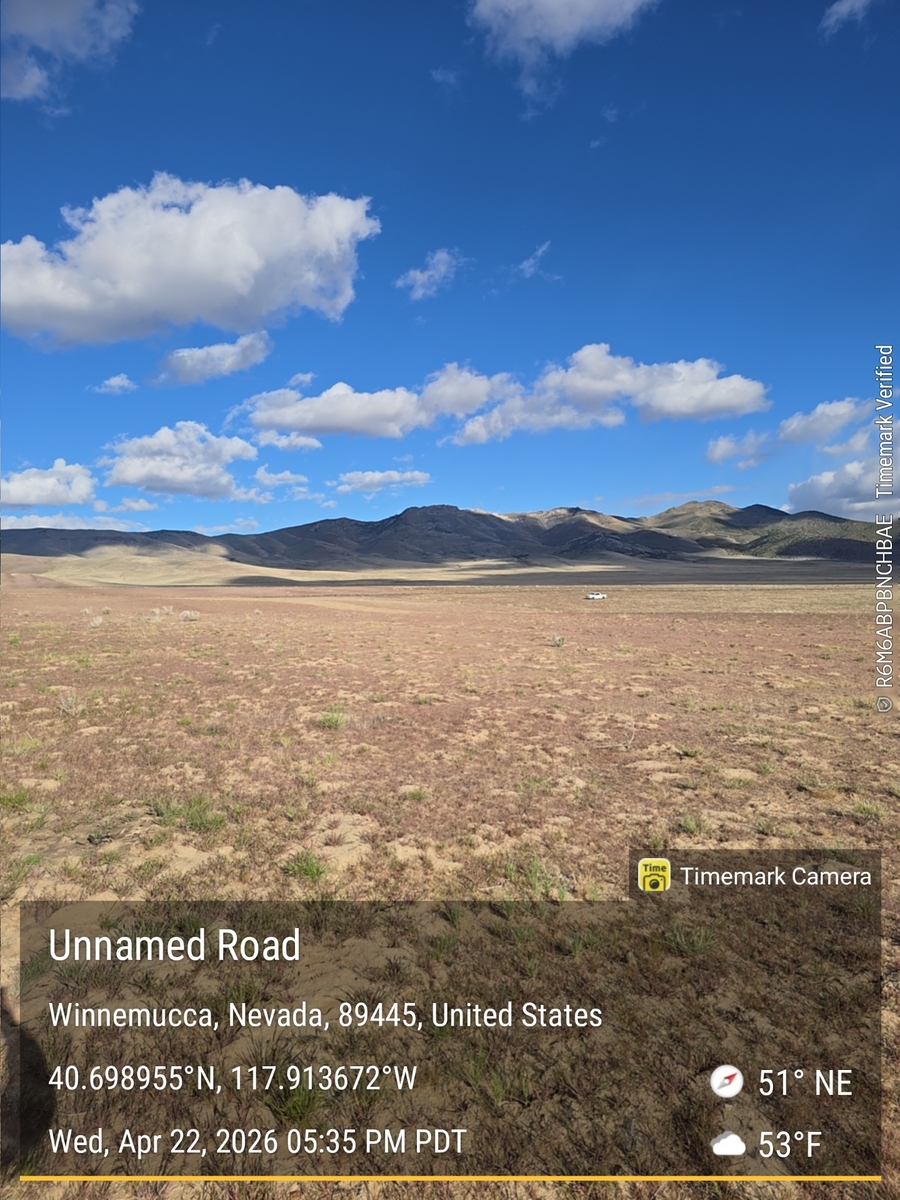
GPS Coordinates: Lat: 40.698892°, Long: -117.911568° (Barber Gold Near Access Road)
Mining and Exploration Potential: The Barber Gold claim is in a well-known placer area with a large recorded production from the 19th Century.
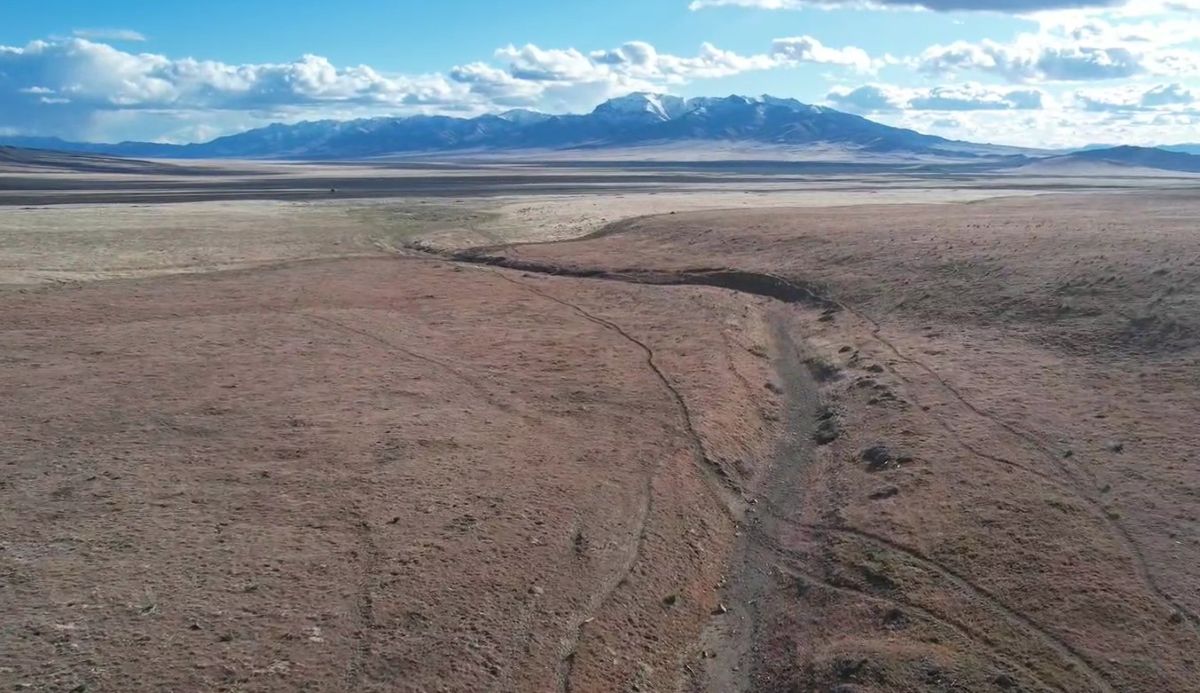
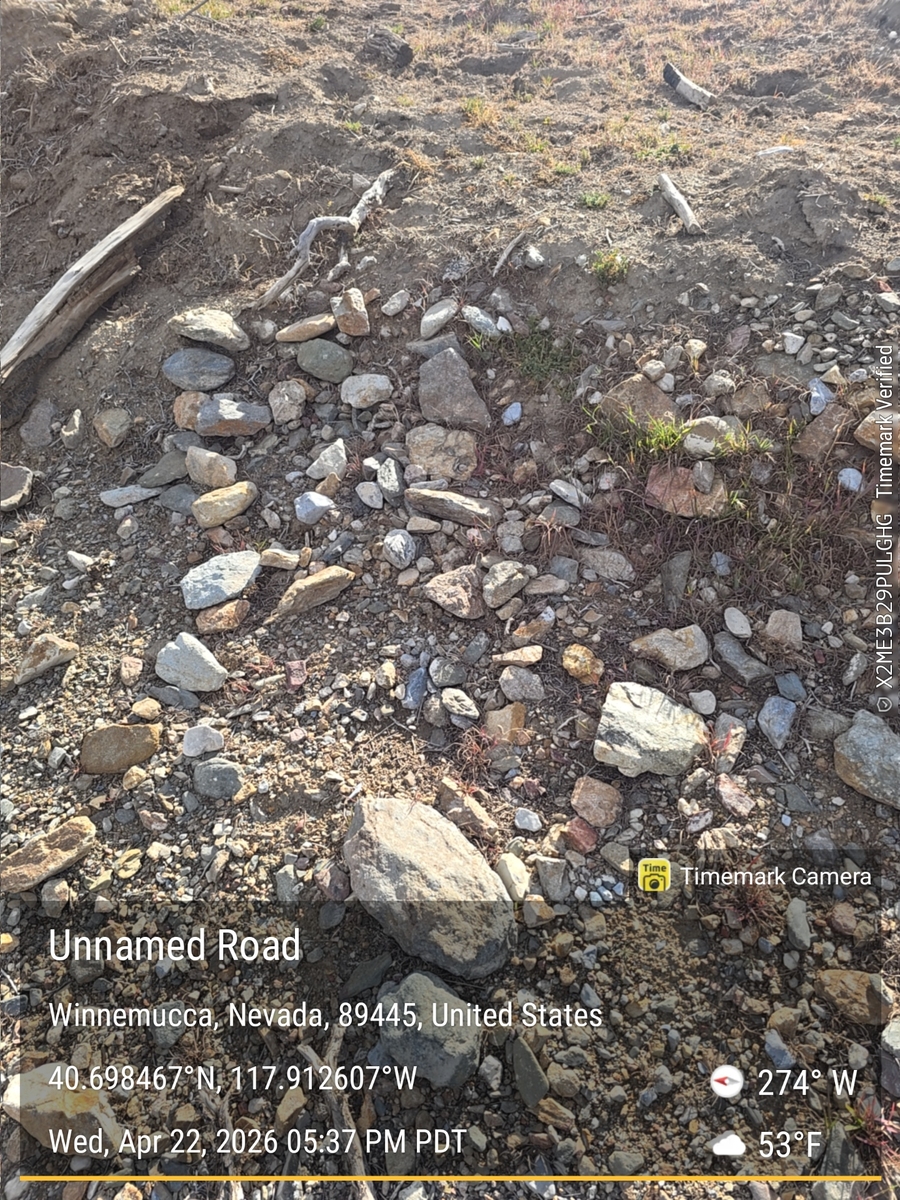
Barber Gold has 1300 feet of wash with benches. The north end of the claim is at a confluence of two washes with accumulated alluvium due to the reduced water flow after the intersection.
This should be a good point for accumulations of placer gold.
In 1961, a mining company prepared a brief report of the Barber Placer deposit and estimated 8M cubic yards. Grades were estimated at .9 to 2.7 grams per cubic yard.
Historical reports mention that the pay gravels are 30 feet thick with most of the values on bedrock. However, an operation in the 1930’s began mining at about 12 foot depth.
Barber Gold has the chance for being either a small production opportunity or a larger commercial operation.
The Sierra District covers the northern portion of the East Range (12 miles) which is east of I-80 near Mill City.
The Sierra District is a combination of four older districts: the old Sierra, Oro Fino, Dun Glen and Sunshine districts.
The old Sierra and Oro Fino Districts were organized in 1863 after the discovery of silver ore in 1862. Numerous mines were active from 1862-1880 but production records were non-existent. Production dropped in late 1880’s and ceased by 1893.
The original silver mines of the district are lost and no longer known. The yielded very high grade ore ($100 per ton which was about 75 ounces per ton).
Gold in the district was developed after the silver mines. The principal gold mines were the White Bear, Auld Lang Syne, and Auburn. There was about 30,000 gold ounces of production from these mines during this time period.
Placer gold deposits were discovered in the 1860’s with about $4 million worth of production (~200,000 ounces). During the 20th Century there was only limited production.
The most active sites for placer production were Wright Canyon, Auburn Canyon, Barber Canyon, and Rockhill Canyon. The gravels range from 18 to 40 feet thick. 30 feet thick in Barber Canyon.
However, at Willow Creek to the south there was a dragline operation active for awhile.
There is currently a permitted placer mine in Dun Glen Canyon, Nevada.
Regional Geology: The Barber Gold placer mining claim is located within the Basin and Range physiographic province. The Basin and Range province covers most of Nevada and consists of narrow NE trending mountain ranges between flat, arid valleys and basins.
Local Geology: The East Range in Pershing County is made of older volcanic, chert, sandstone, shale, limestone, and dolomite rocks that were folded, faulted, and later cut by mineral-bearing veins. In the Sierra District, the gold and silver mines formed mainly along faults and shear zones, where hot mineral fluids filled cracks with quartz, pyrite, galena, sphalerite, silver minerals, and native gold. The district started as a silver camp in the 1860s, but later became important for gold, especially around the Black Hole–Monroe, White Bear, Auld Lang Syne, and Auburn mines. The nearby placer gold in canyons like Auburn, Barber, and Rockhill probably came from erosion of these same gold-bearing quartz veins.
Available Reports:
Johnson, M., Geology and Mineral Deposits of Pershing County, Nevada, Nevada Bureau of Mines and Geology, Bulletin 89, 1977.
Lincoln, Francis Church, ‘Mining Districts and Mineral Resources of Nevada’, Originally Published 1923, Republished by Nevada Publications, 1982.
Ott, Henry, ‘Barber Placers Report’, Private Letter, 1961.
Tingley, J.V., Sierra District Summary Report, Nevada Bureau of Mines and Geology, 1985.
Vanderburg, W.O., ‘Placer Mining in Nevada’, Bulletin 27, Nevada Bureau of Mines and Geology, 1936.
FAQ
Why Nevada?
Nevada is consistently ranked as one of the top mining jurisdictions in the world for being mining-friendly and continuing to produce major discoveries. If Nevada was a country it would be the 5th largest gold producer in the world (after Australia, Canada, China, and Russia). Nevada is home to the Carlin Trend, the Cortez Trend, the Walker Lane Trend, the Getchell Trend and many other prolific gold producing regions. In addition to gold Nevada also has major mines producing silver, copper, lithium, iron ore, magnesium, gems and many other minerals. Nevada is 85% owned by the federal government and most of this land is available for claim staking. This means some of the best mining ground in the world is open to small prospectors – a very unique situation. There are many mining companies active in Nevada and therefore, multiple potential buyers for any discovery you make. Canadian based junior exploration companies are particularly active in Nevada.
Why Buy a Claim?
Buying a claim is a great way to get started in mining and prospecting. Buying a claim that is professionally staked reduces your upfront work and the risk of making a mistake on your paperwork or in the field. Our claims are in areas with historical mining activity and most have numerous pits, shafts, and adits to explore. Finding these claims takes lots of research that is already done for you. The best place to find gold is where people have already found it!
Why Us?
I have been working in mineral exploration in the southwestern United States and Alaska for 23 years. I have co-founded four junior mining companies and managed numerous drilling and exploration projects. I have worked with large and small mining companies and know what types of projects they are looking for that can be advanced by small prospectors. I have also worked on small hardrock production projects. I usually try to find claims that have known high grade veins that can be produced and that also have some exploration upside. We stand by our claims and fix any problems that come up. We can also help you with your annual filings. We hire the same professional claim staking companies that the large mining companies hire and all the claims have professionally drafted and accurate maps.
How is ownership of the claim transferred?
Ownership of mining claims is transferred with a Quit Claim Deed which we prepare. We pay all claim transfer fees and file the claim transfer paperwork with the BLM and Pershing County. The BLM takes about 2-3 weeks to process the claim transfer (Quit Claim) and register the claim in your name. Once the transfer is complete we will send you all the original documents including the file stamped Quit Claim Deed, the original location notices and claim maps.
How Much are the Annual Claim Fees?
The BLM charges a $200 per claim annual maintenance fee which is due on September 1st each year. The BLM fees can be paid online through their claim management portal. Pershing County requires that a Notice of Intent to Hold form is filed the first year by Nov 1st along with payment of the recording fee of $12 plus $12 per claim.
If you own less than 10 mining claims you can qualify for a waiver of the annual maintenance fee by filing a Small Miner’s Waiver. However, the Small Miner’s Waiver requires that you perform $100 in labor or improvements on the claim each year.
International Buyers
International buyers must either have dual US citizenship and US address or have a US entity or company to own the claim.