SILVIA GOLD 2 MINING CLAIM
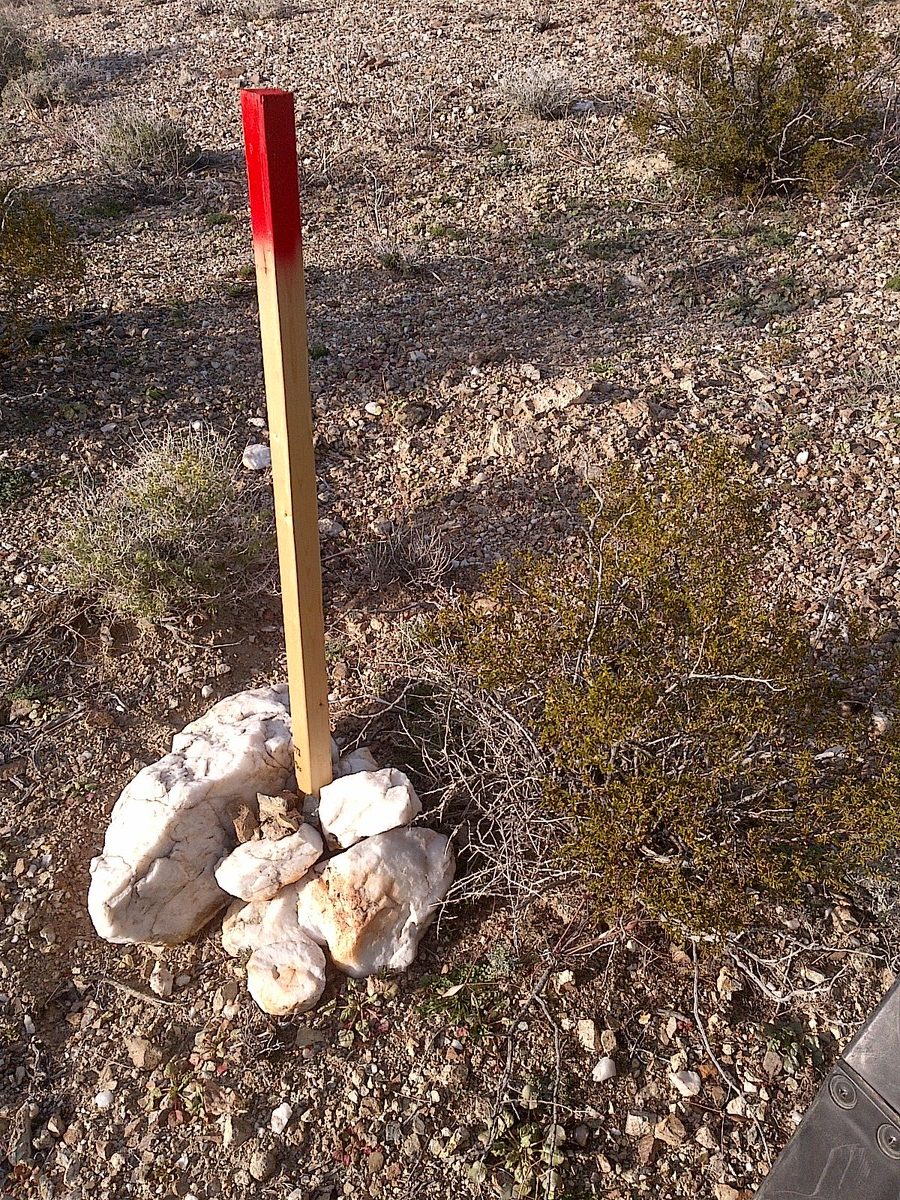
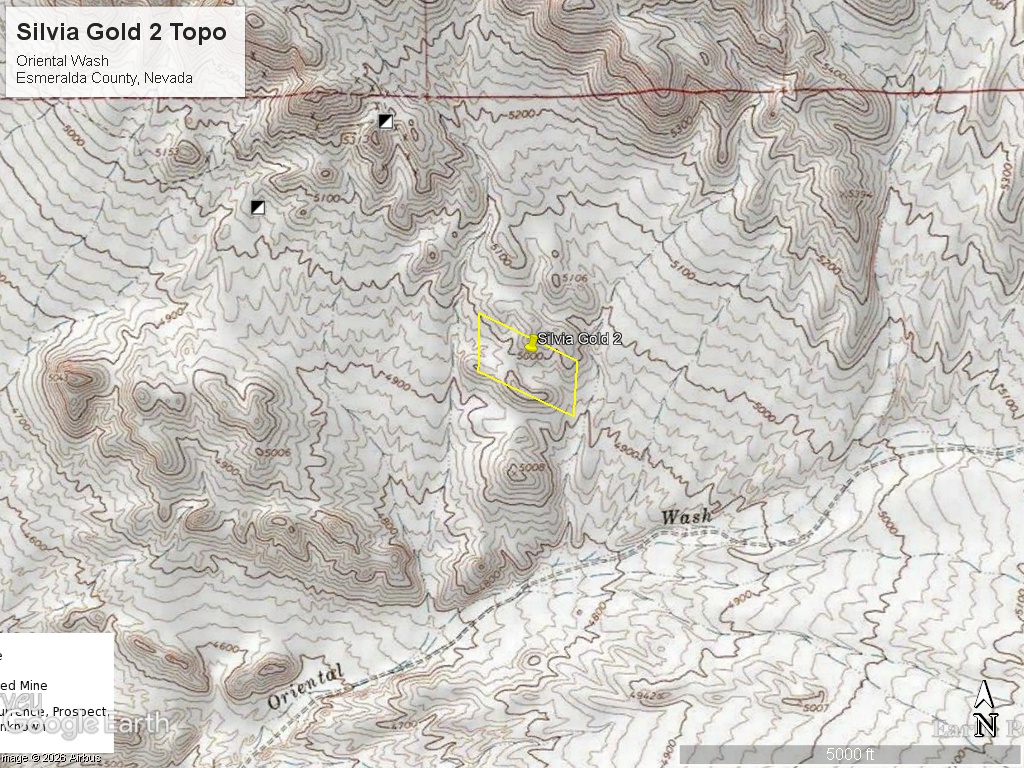
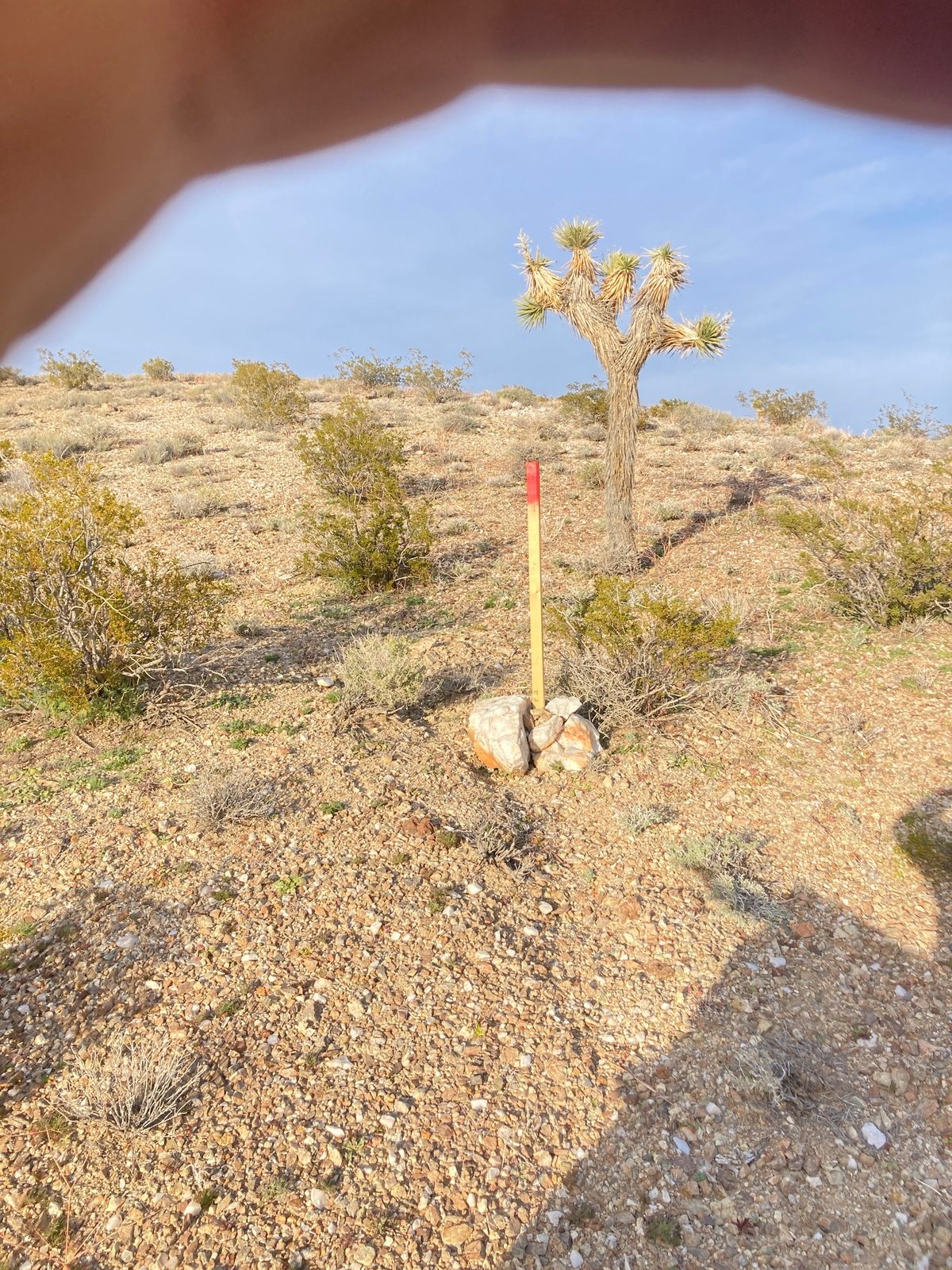
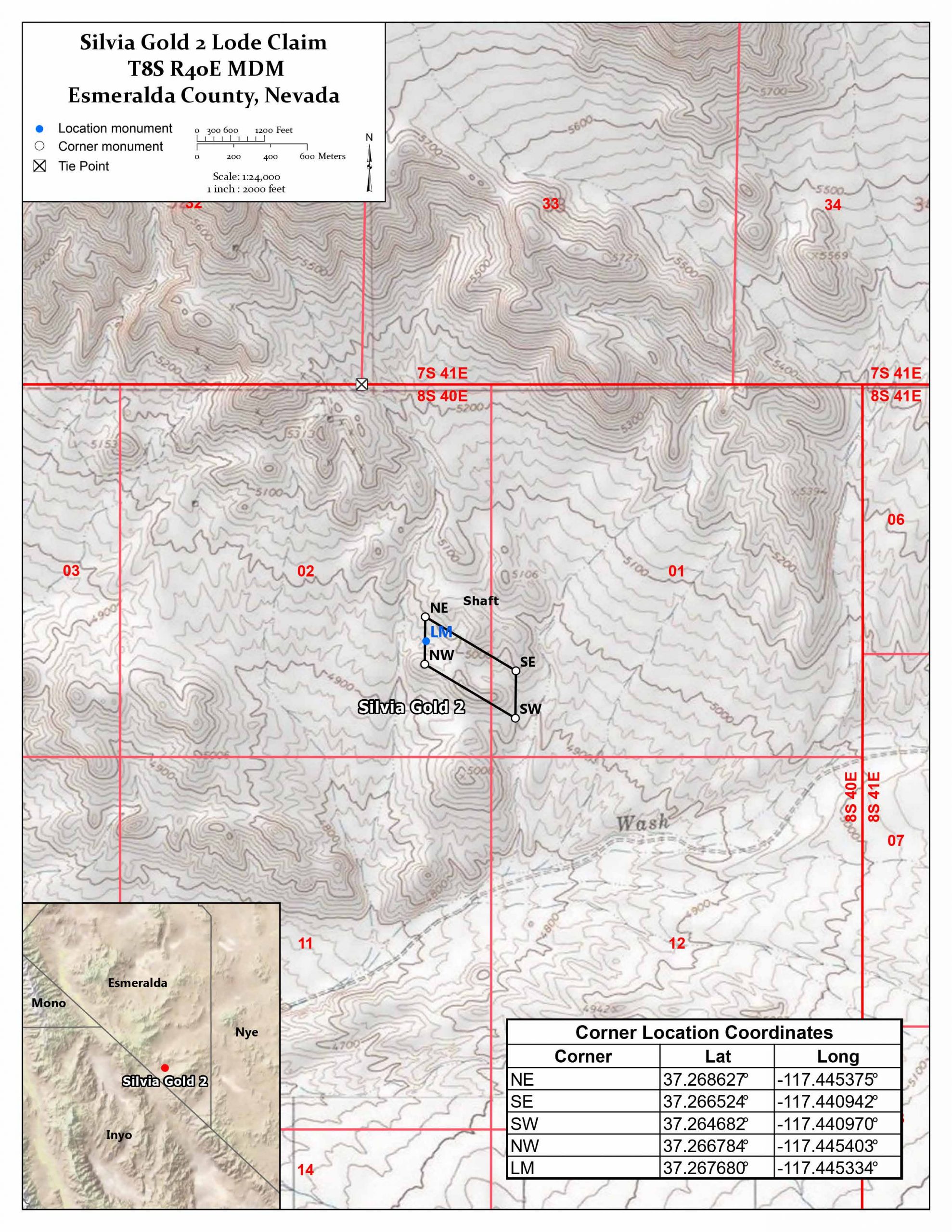
The Silvia Gold 2 Mine claim consists of one (1) unpatented lode mining claim, covering 20.66 acres, on federal land managed by the U.S. Bureau of Land Management. The claim covers an area of historical open-cut gold and silver mining located near Oriental Wash in Esmeralda County, Nevada.
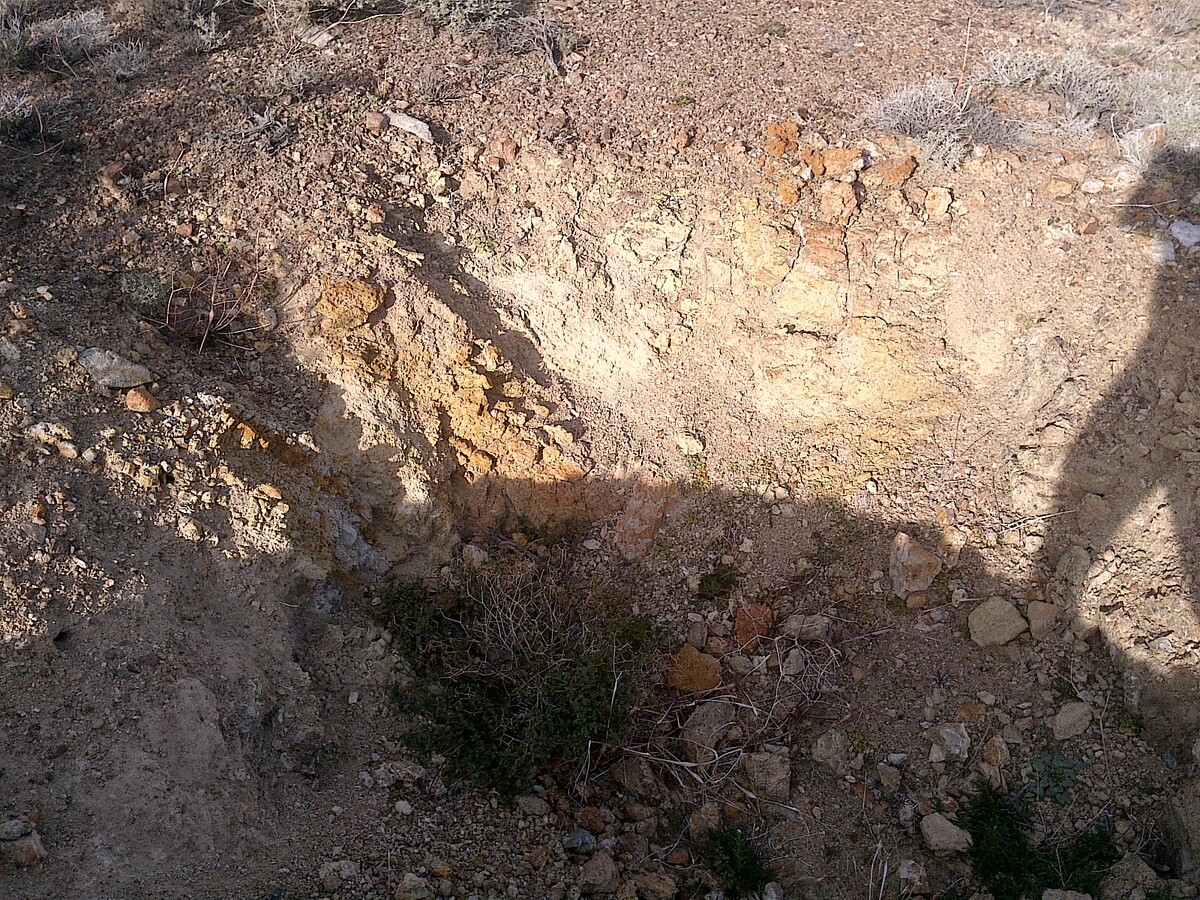
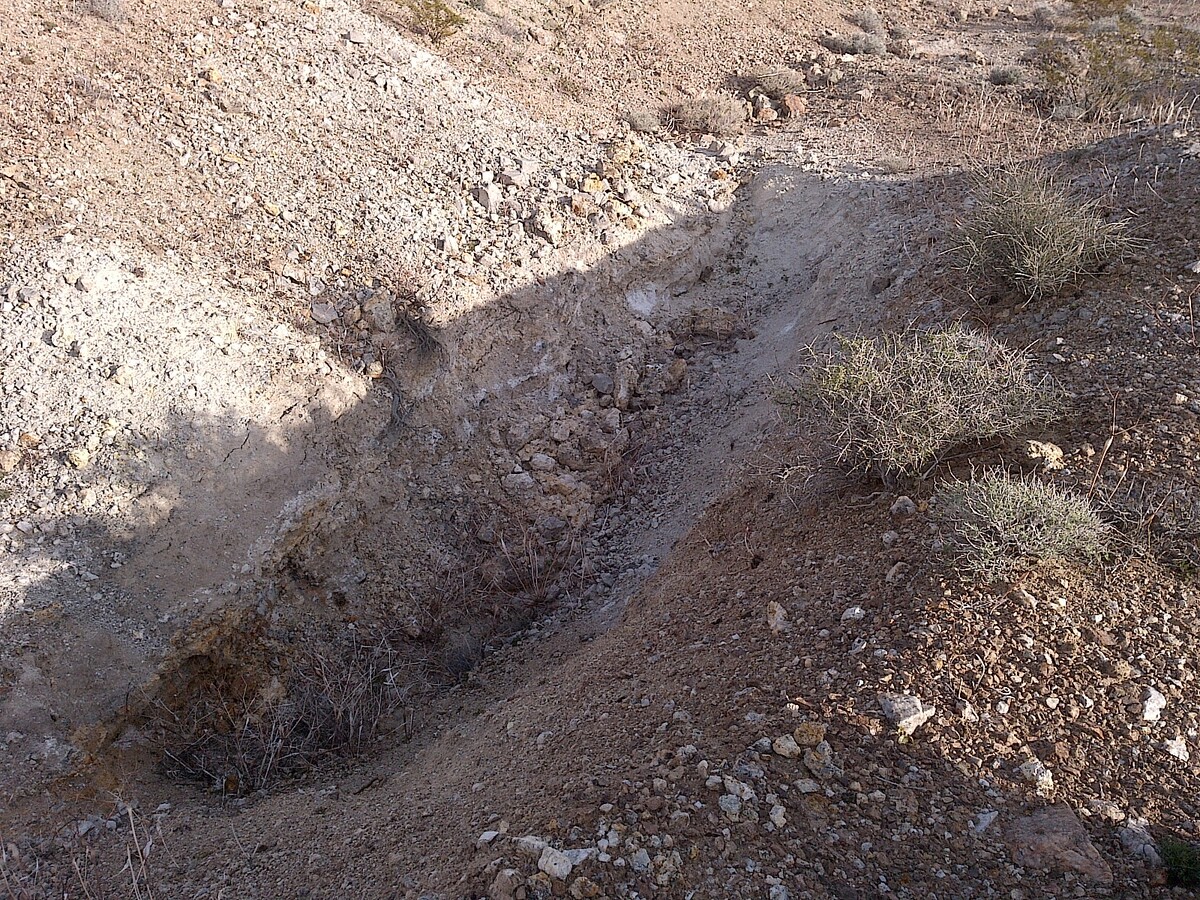
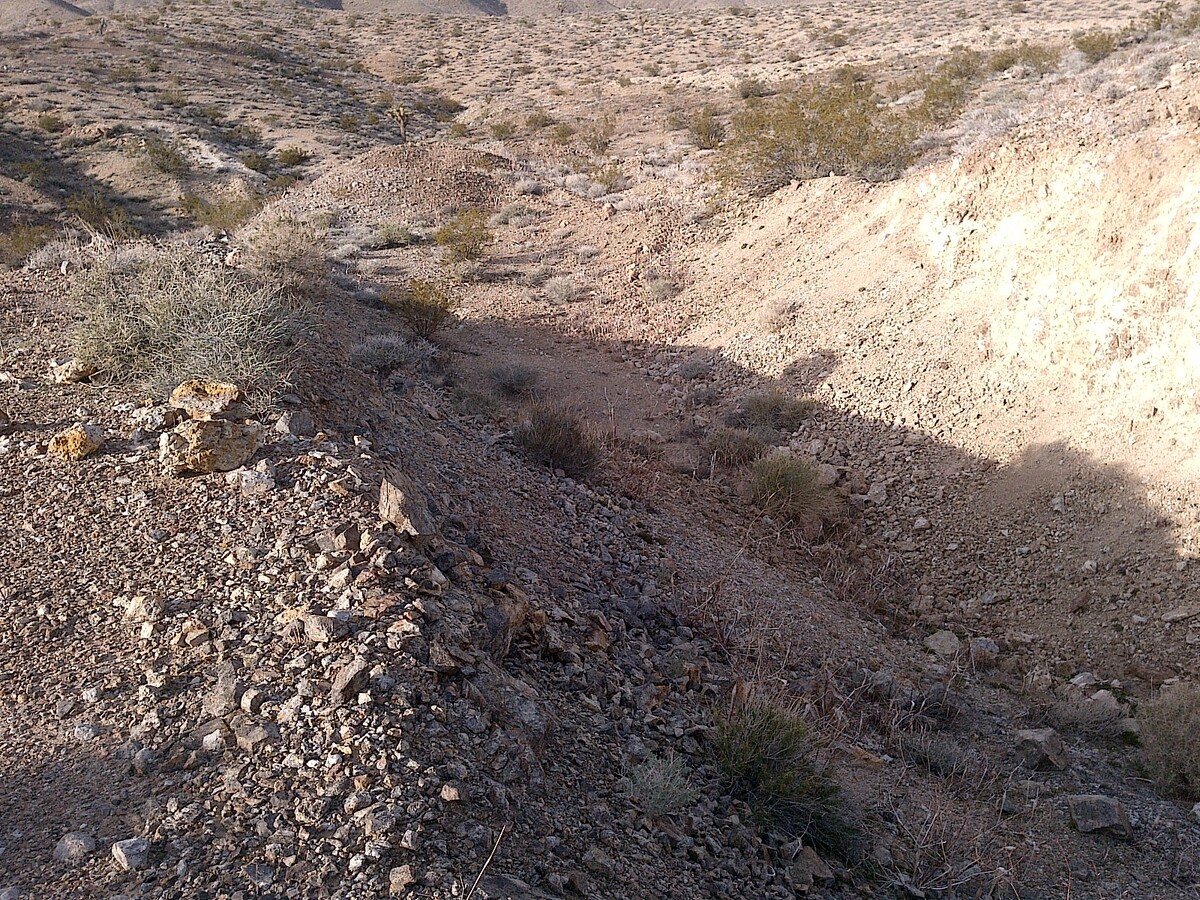
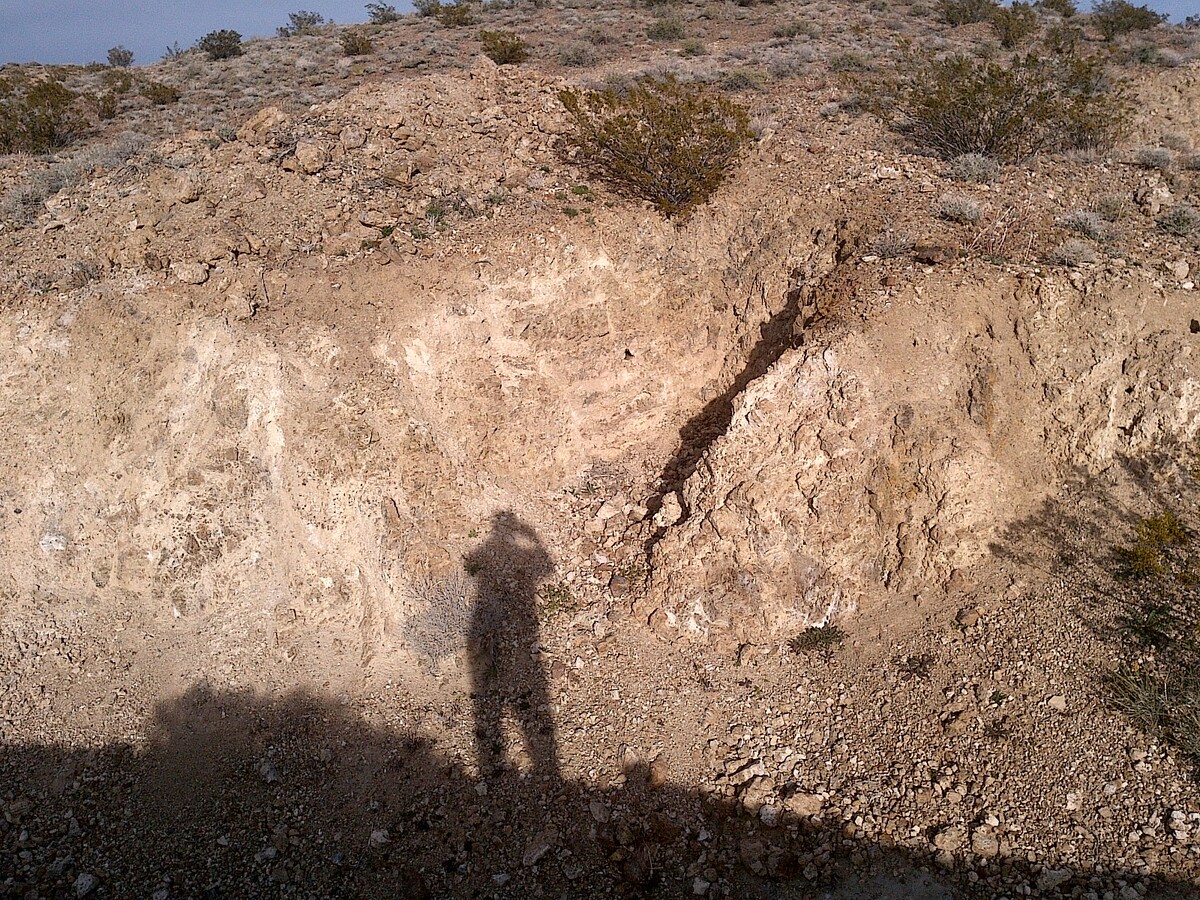
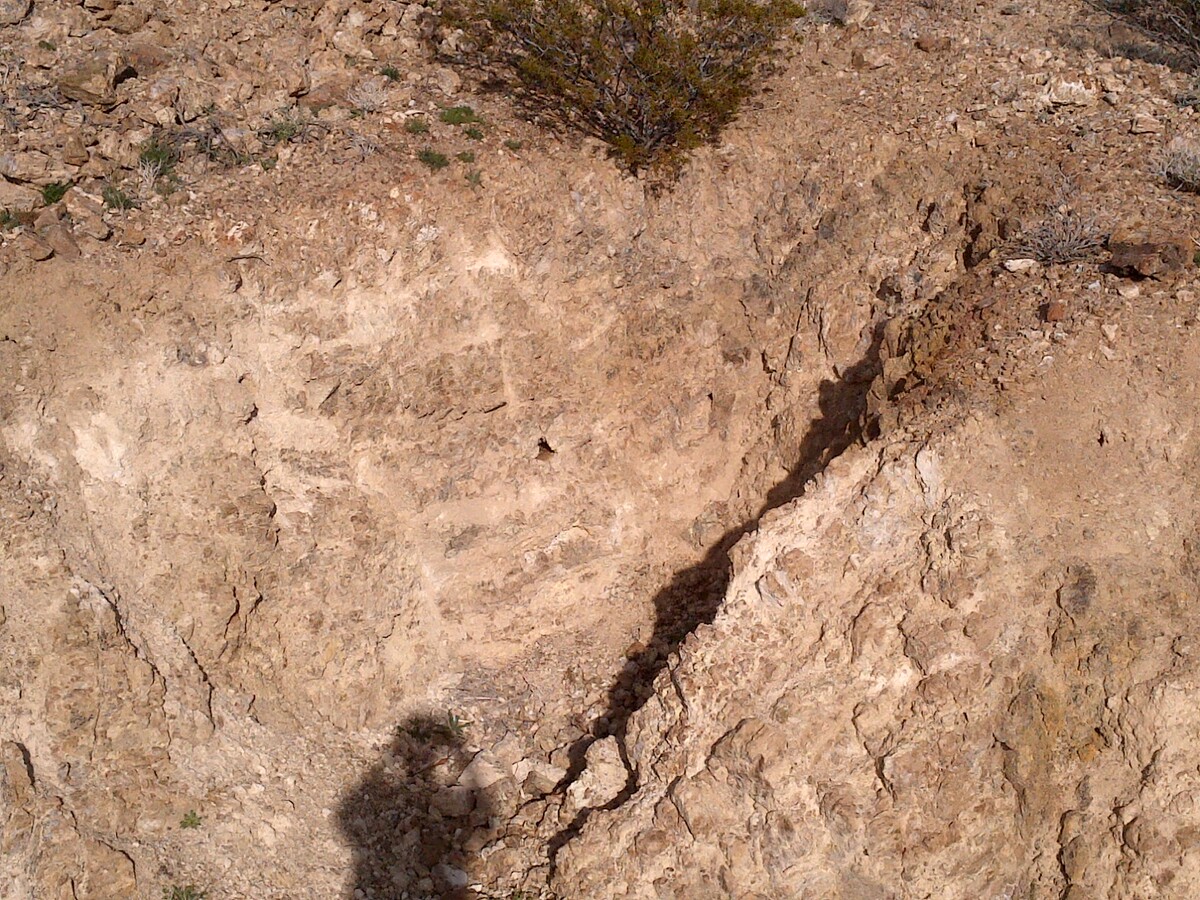
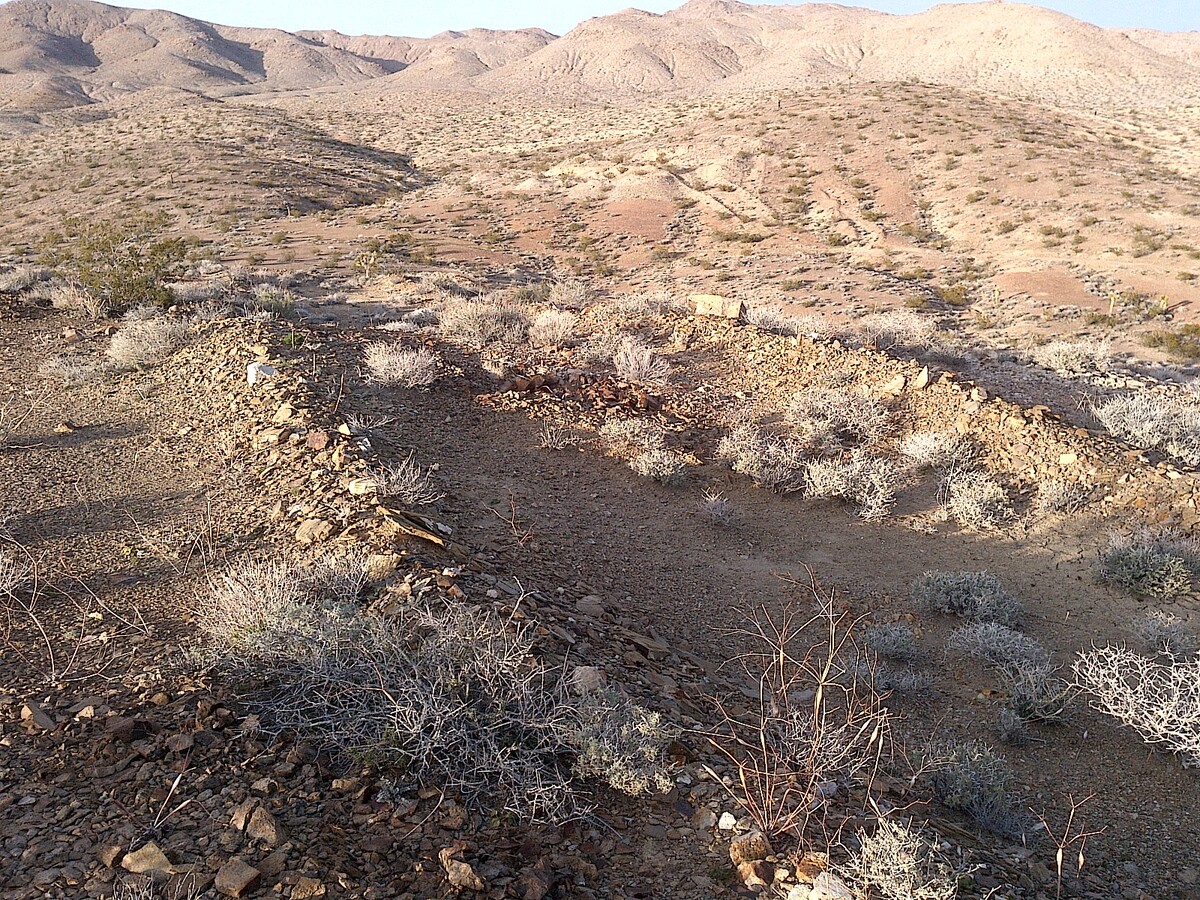
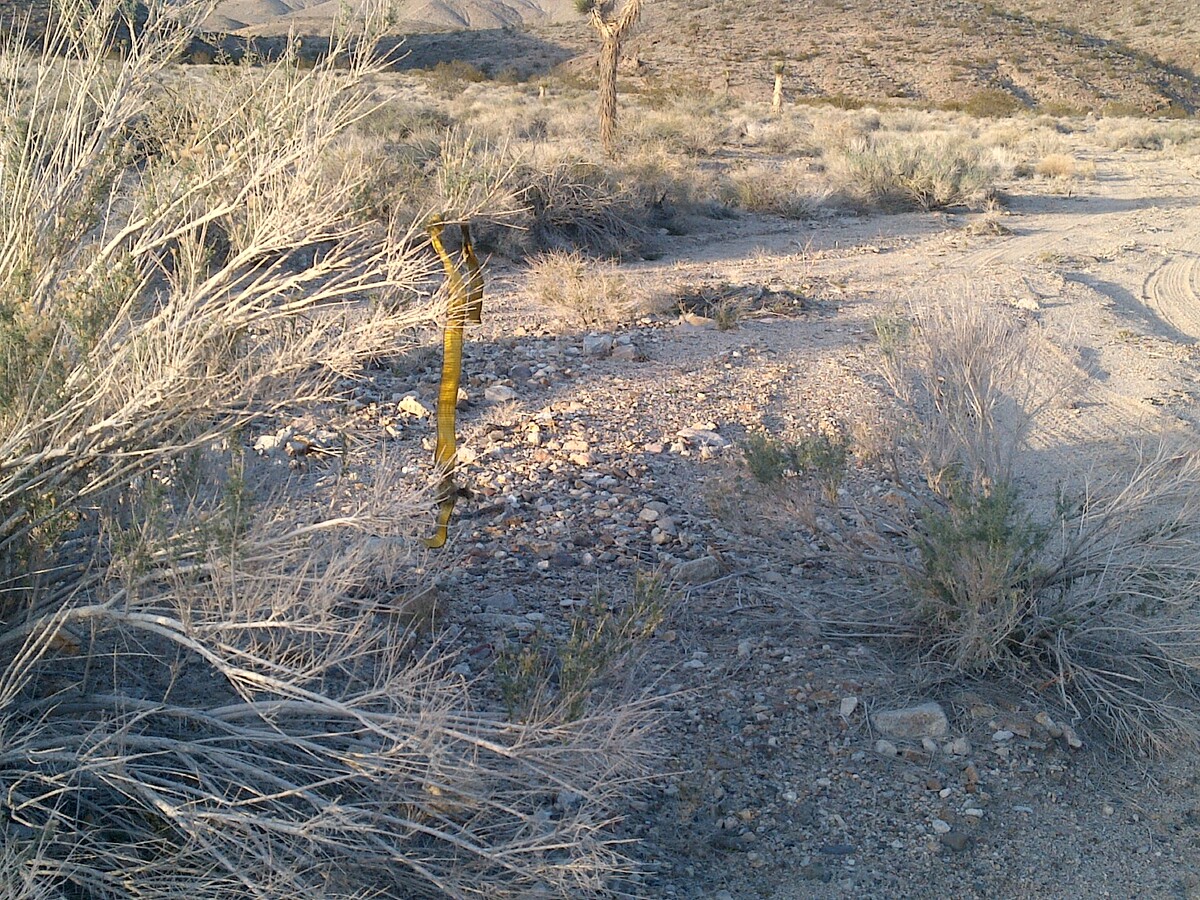
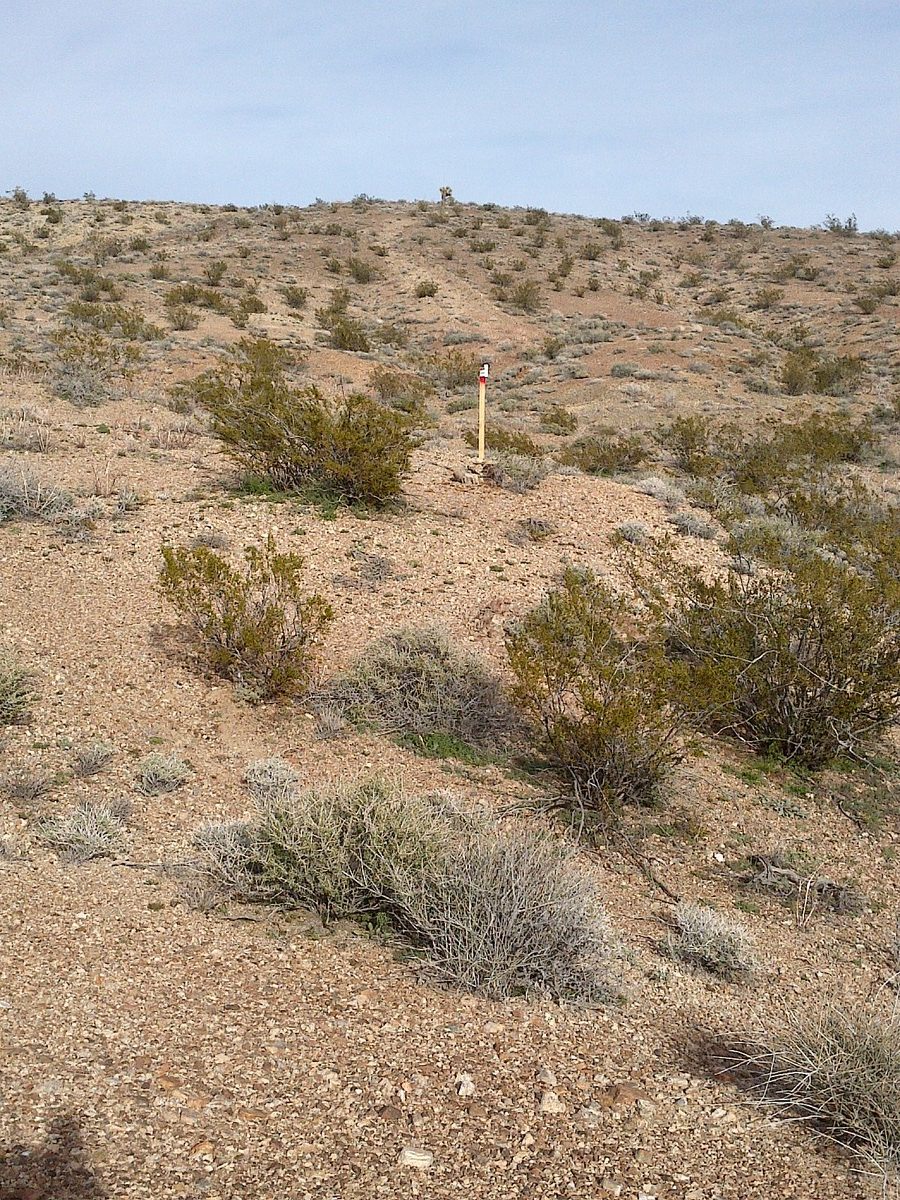
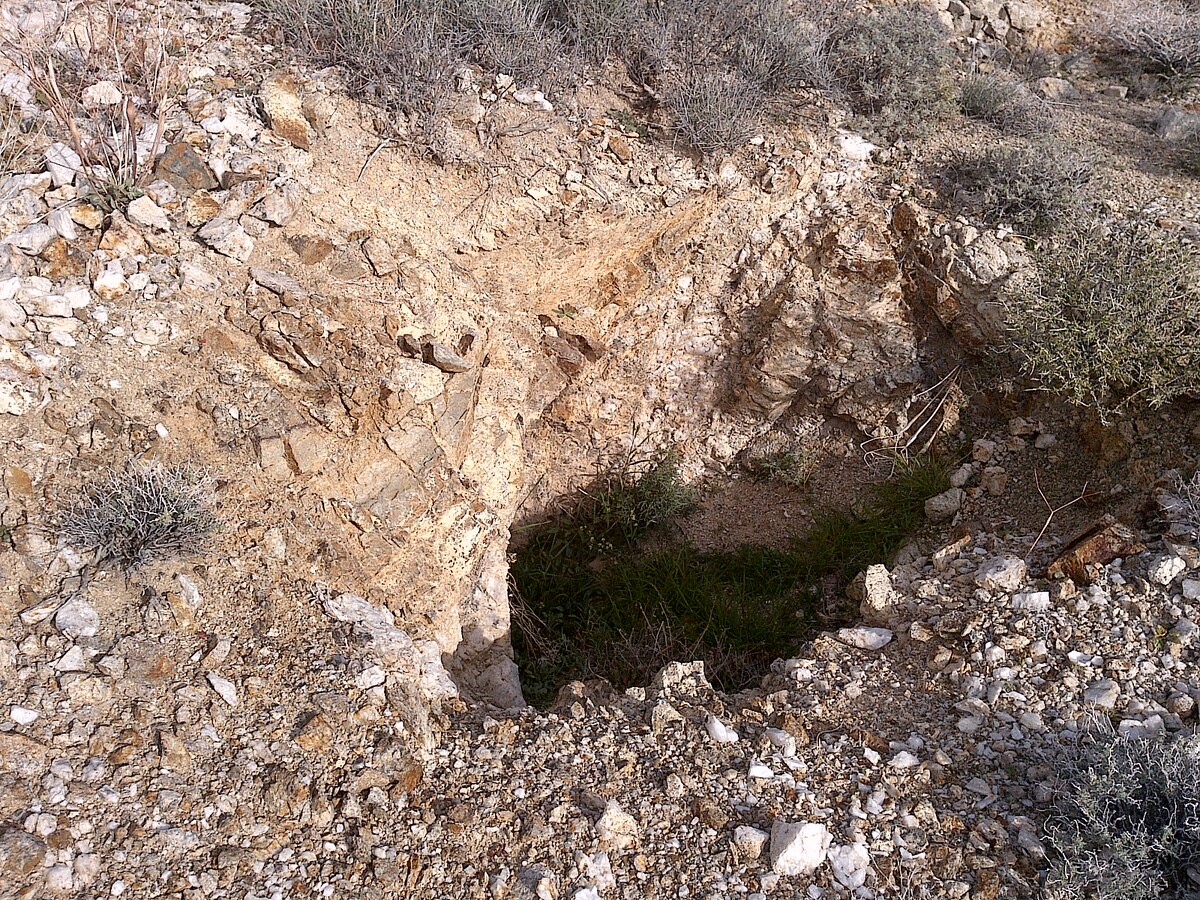
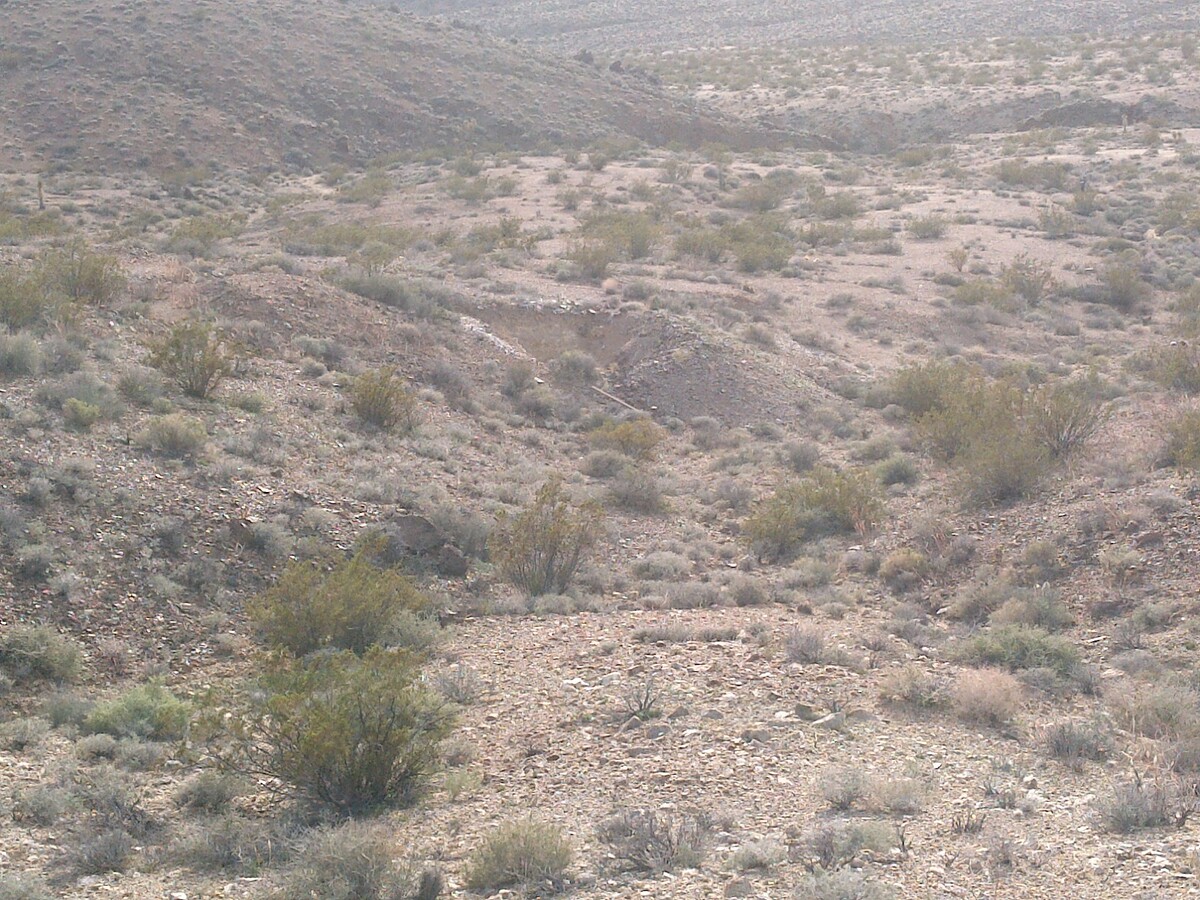
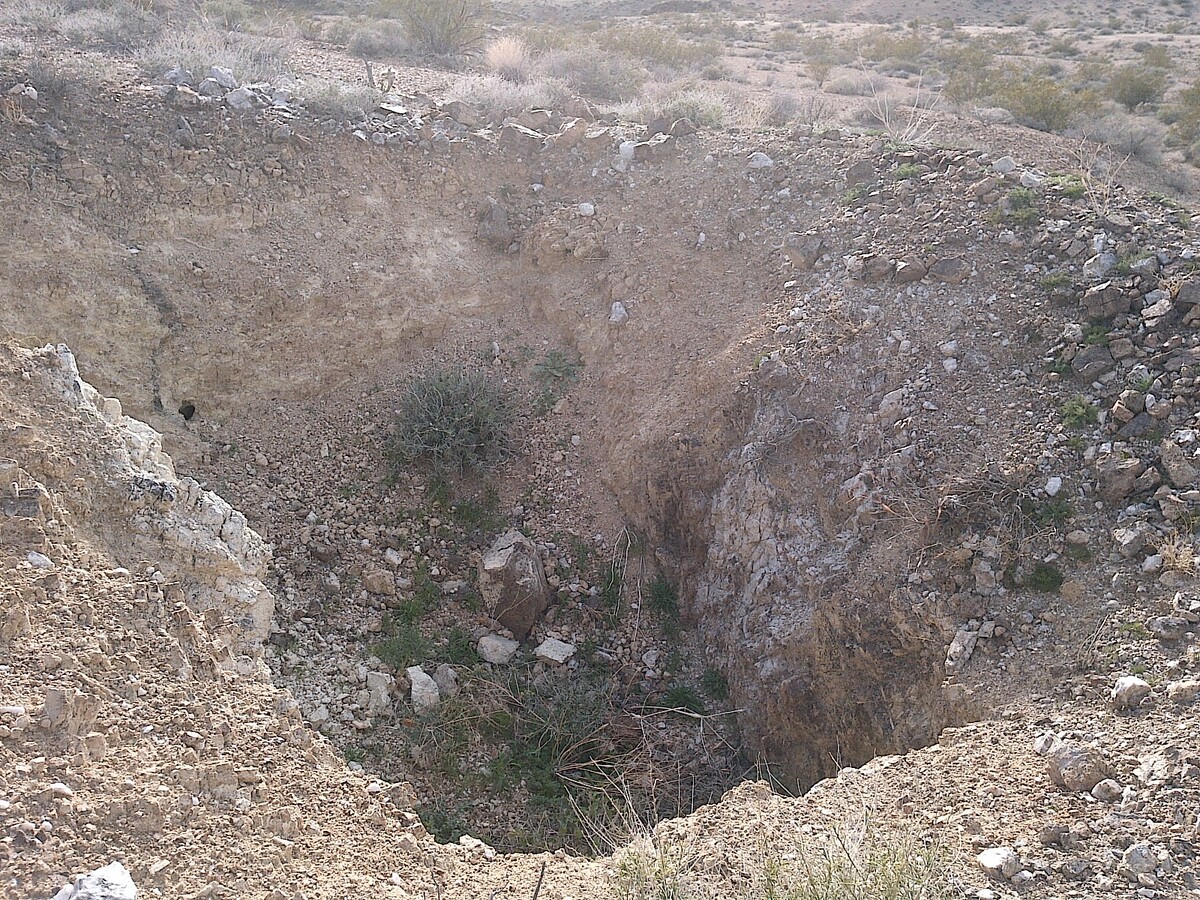
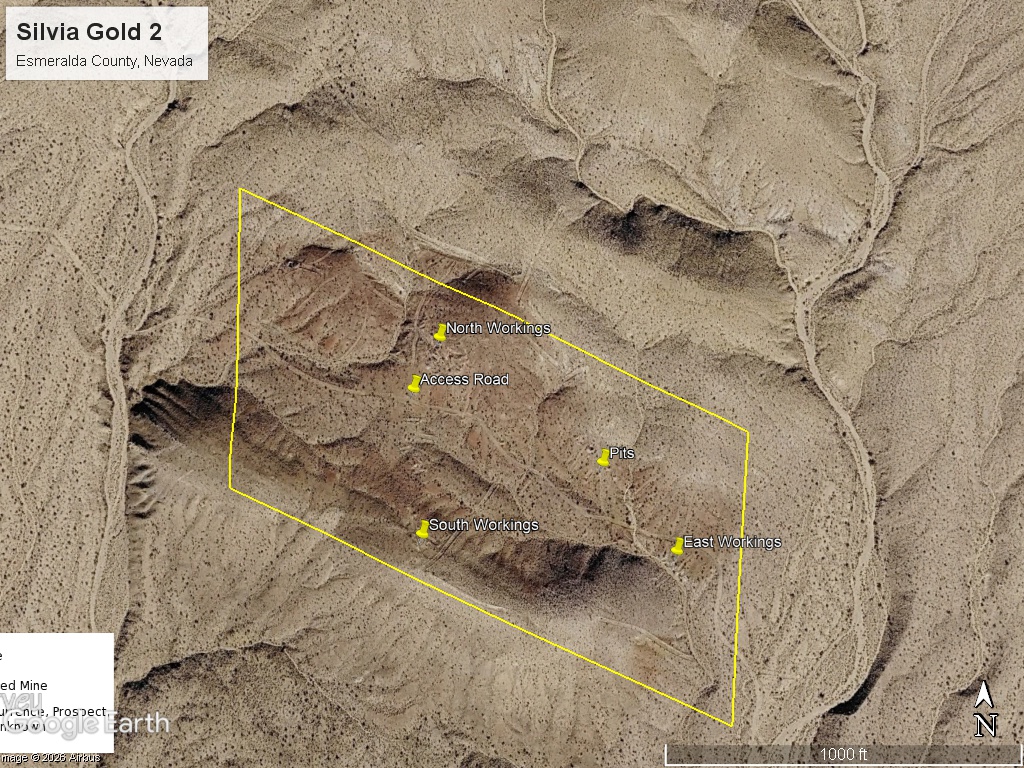
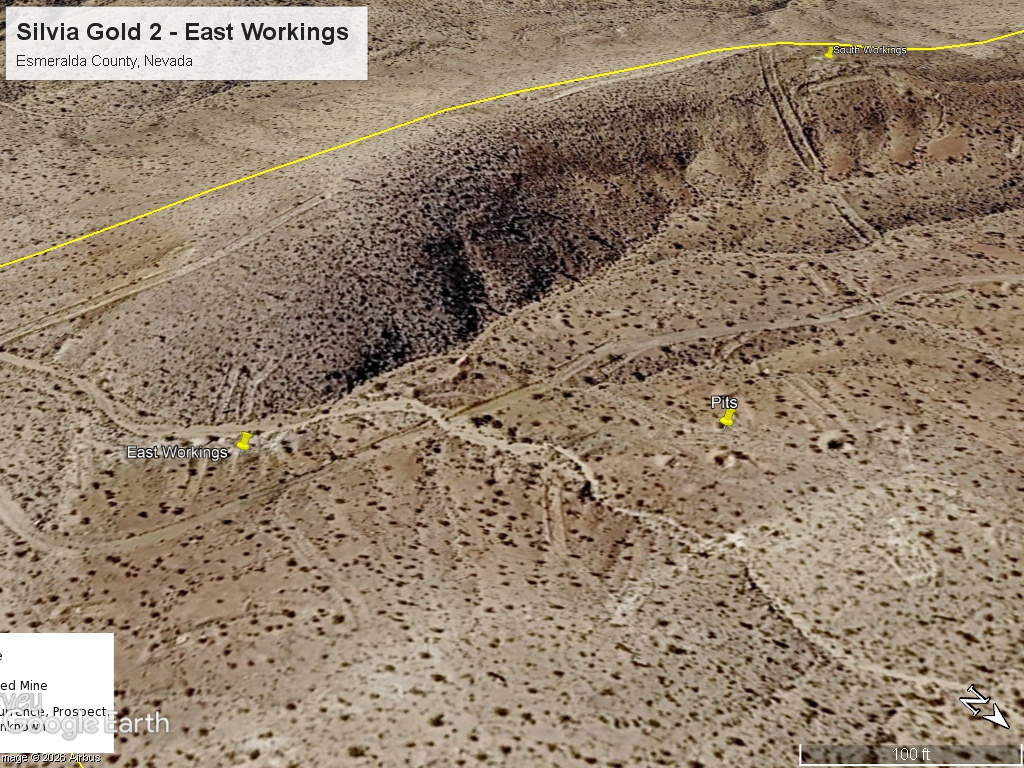
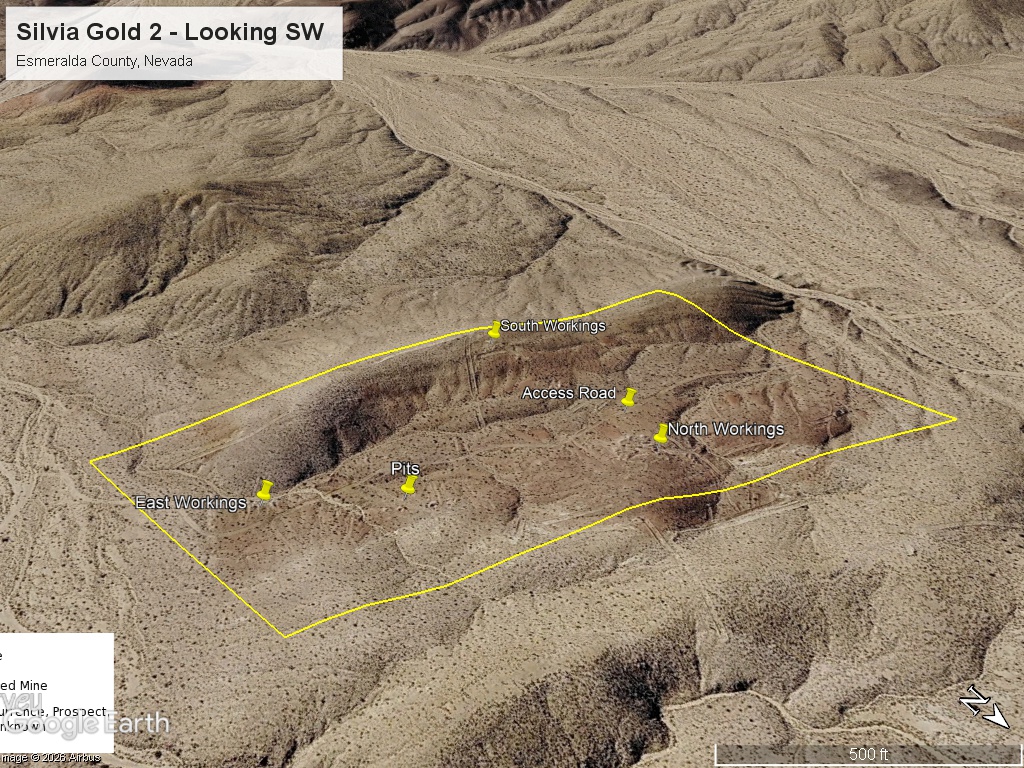
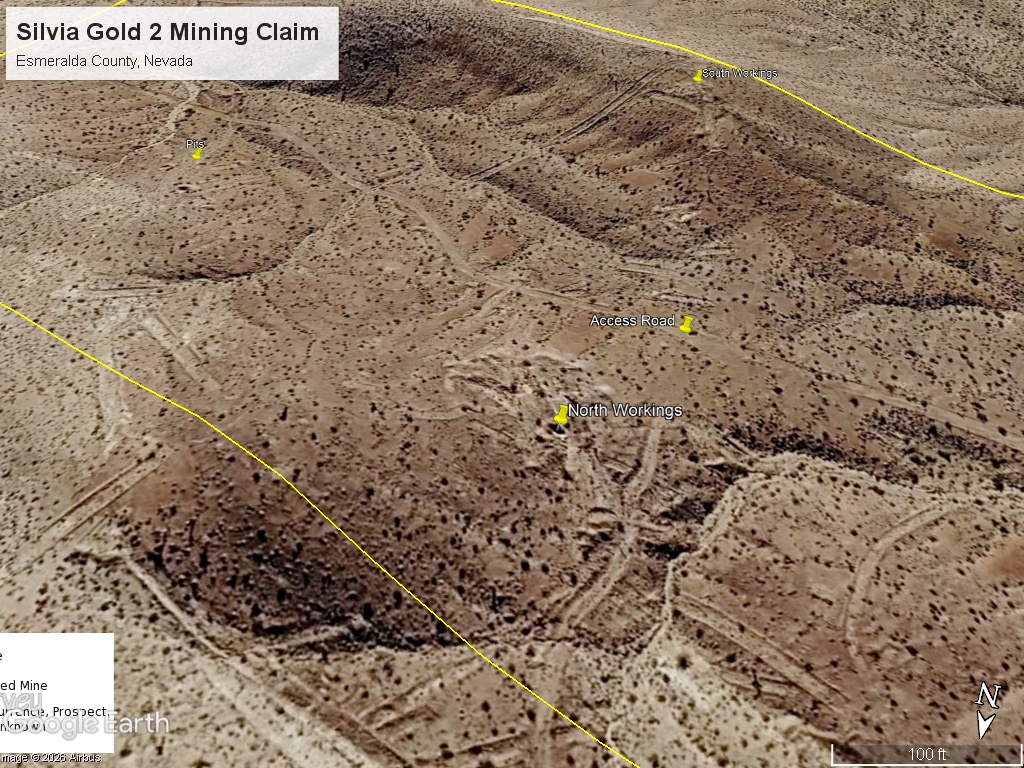
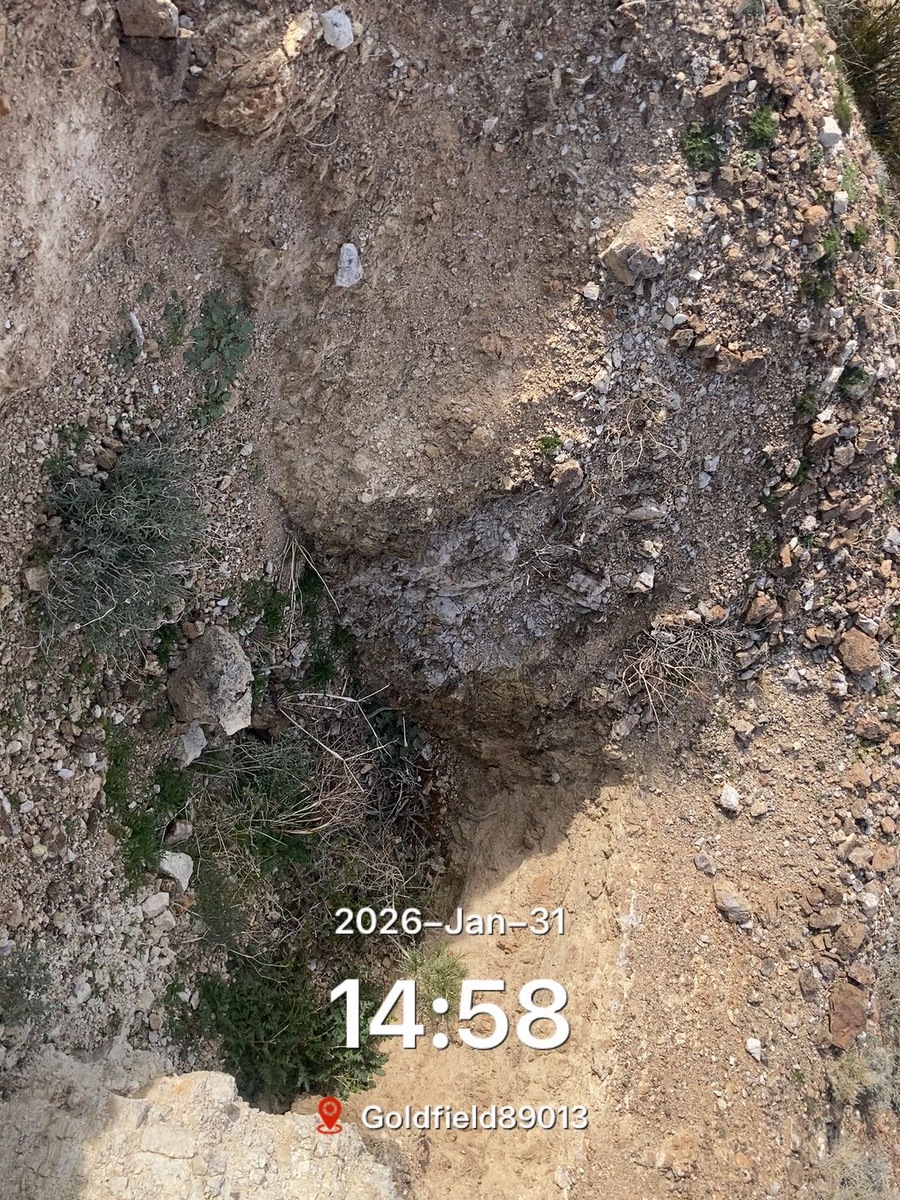
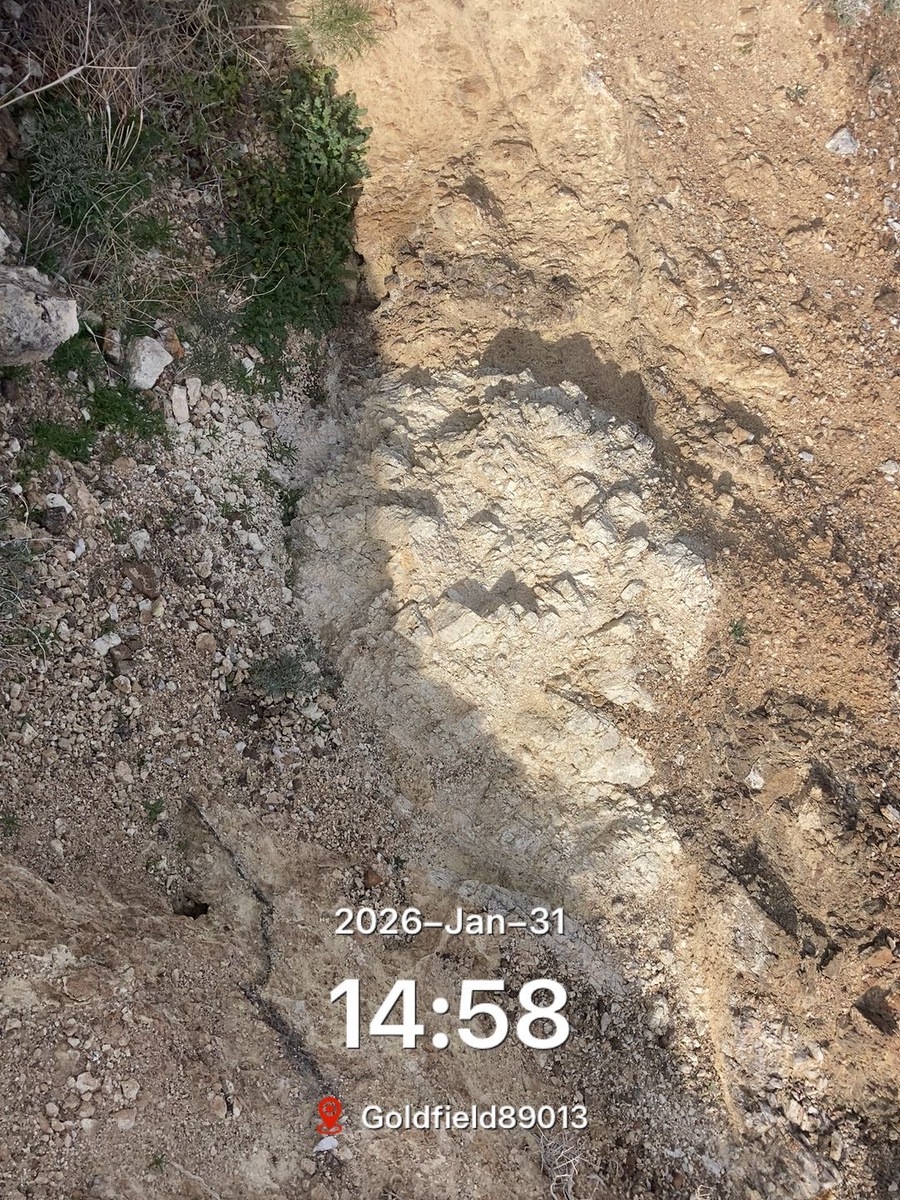
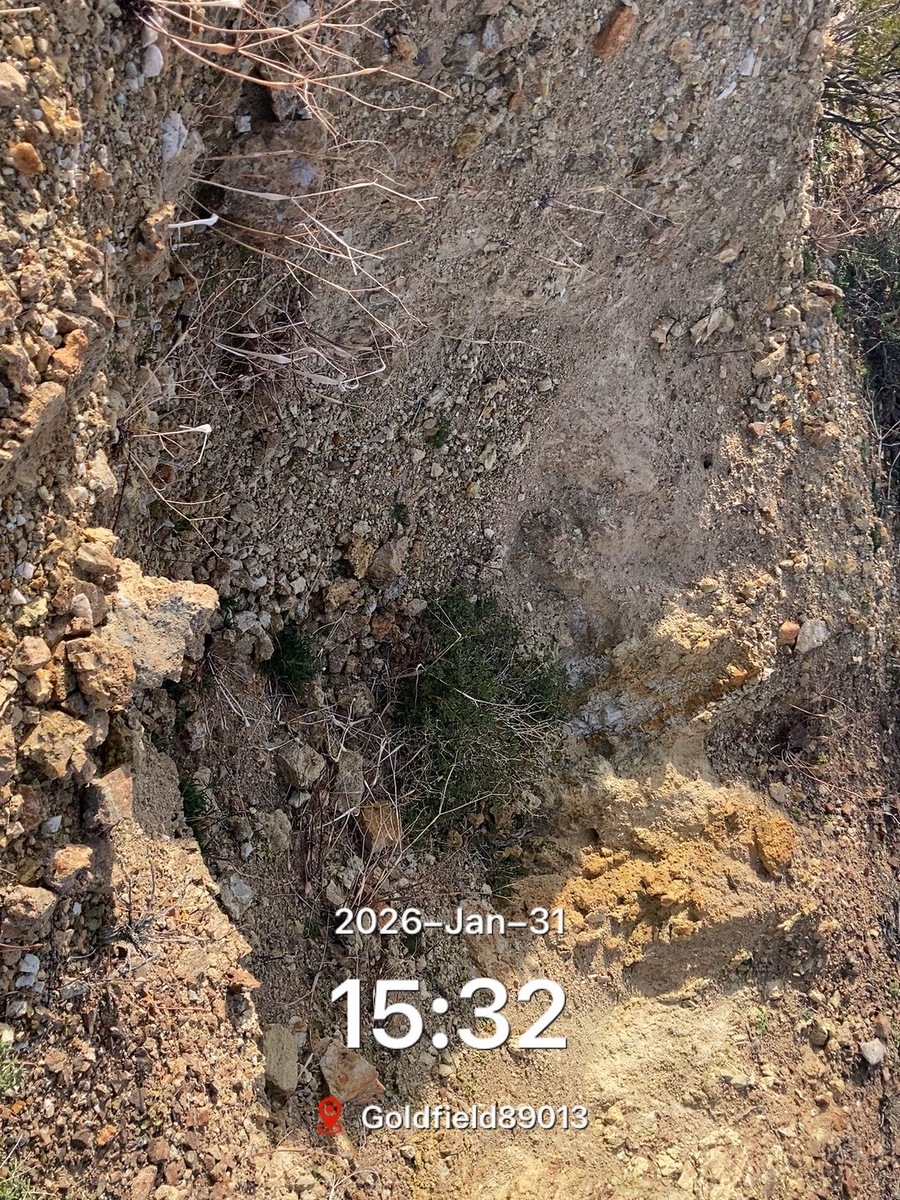
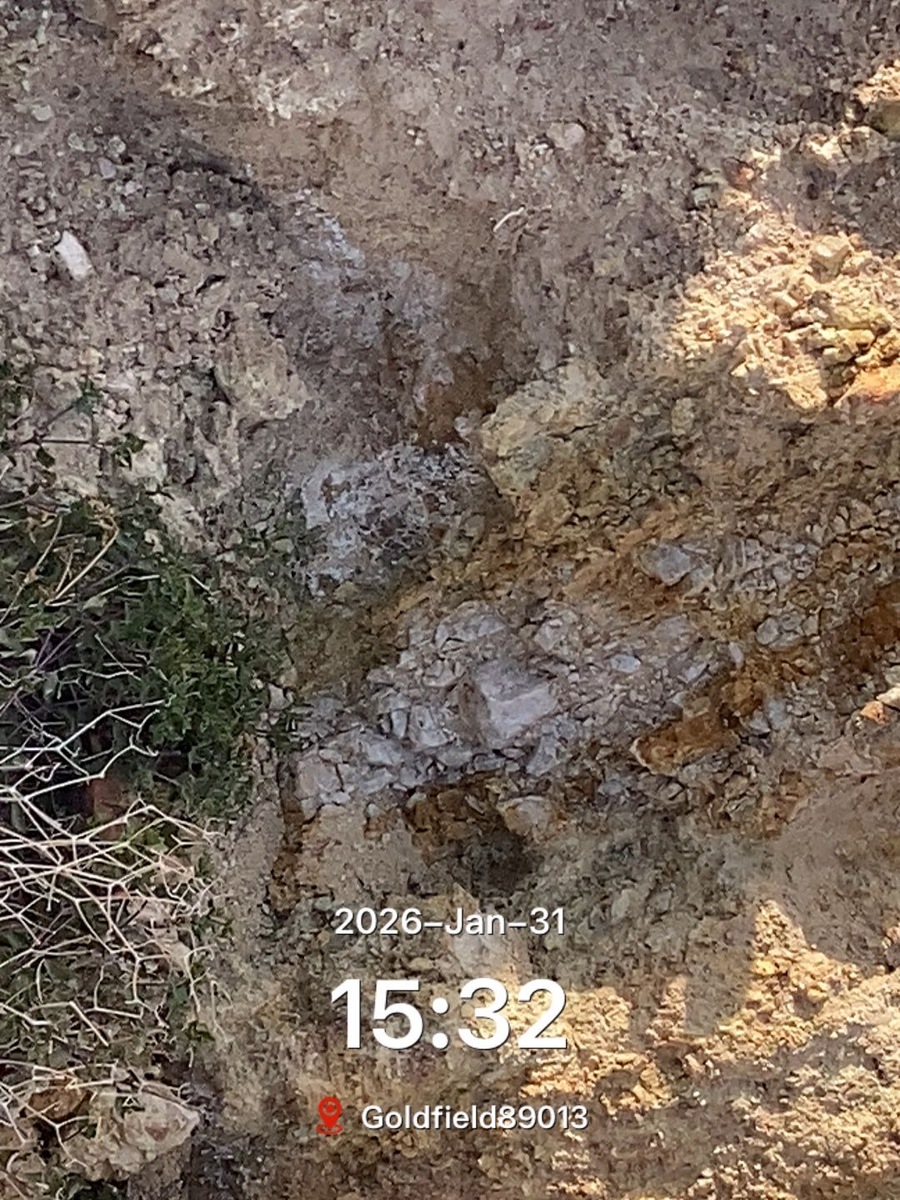
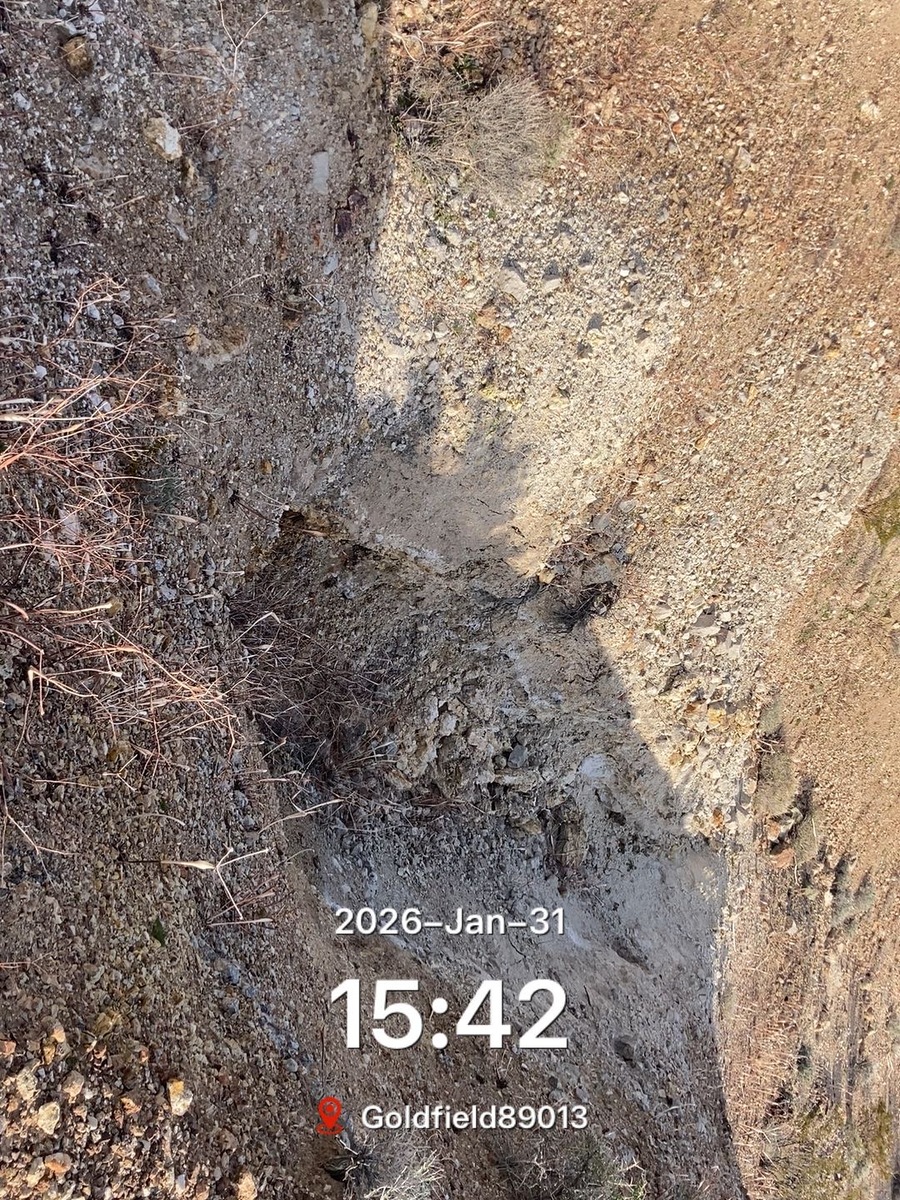
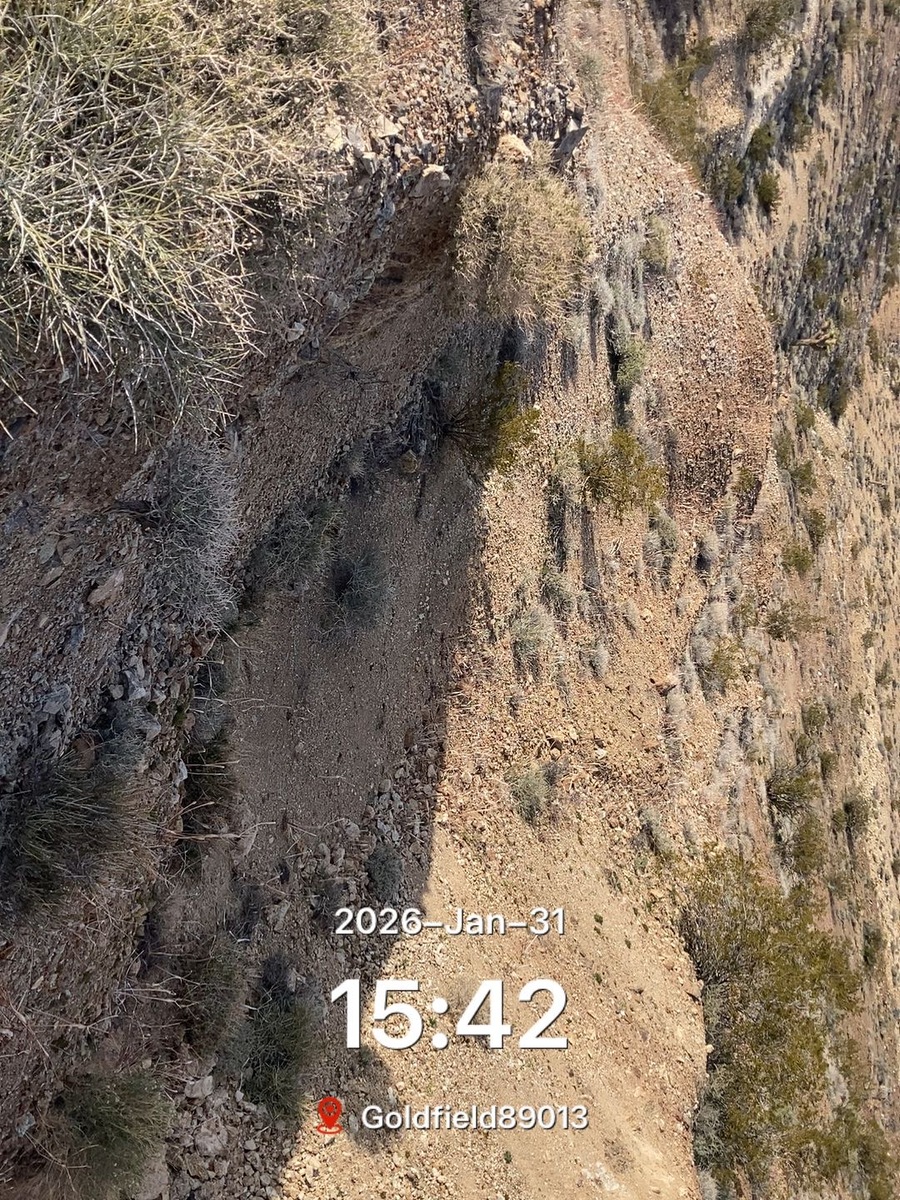
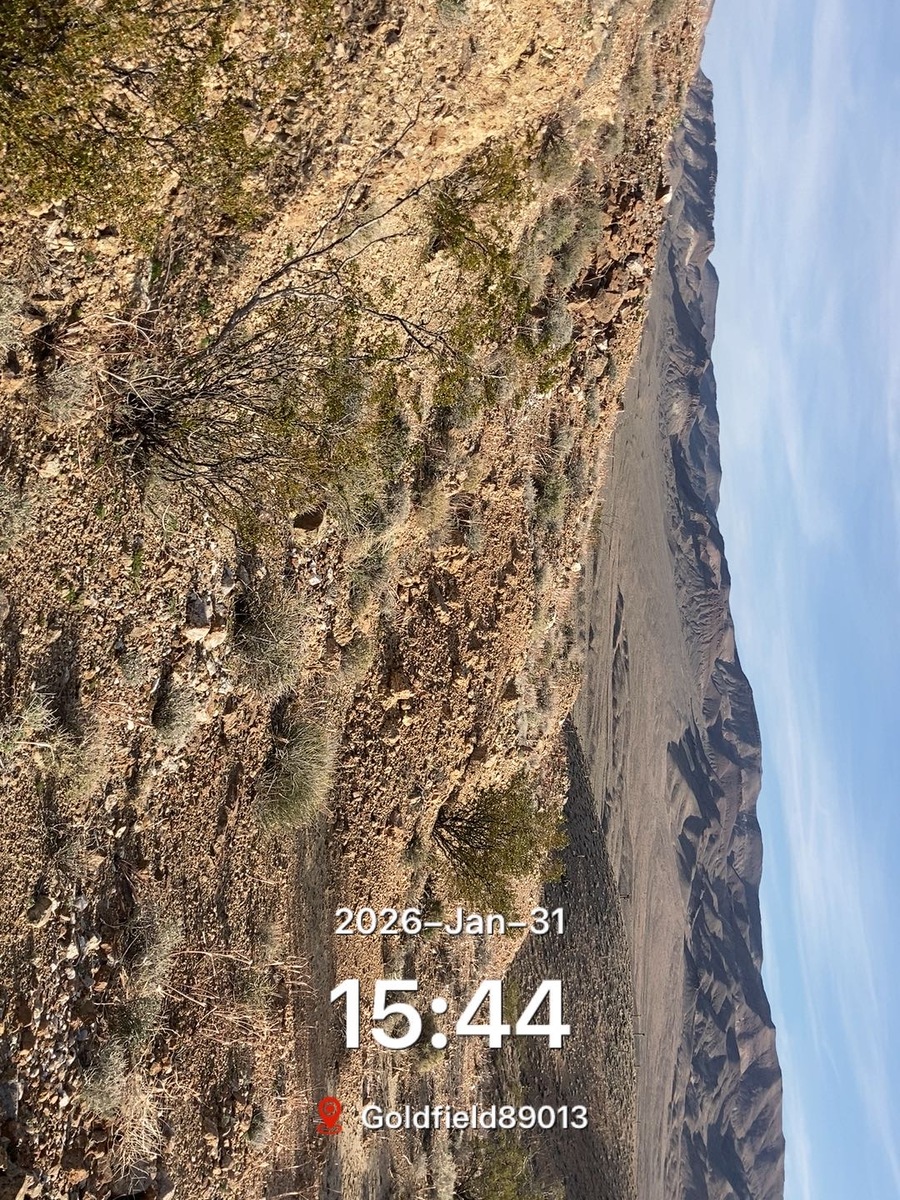
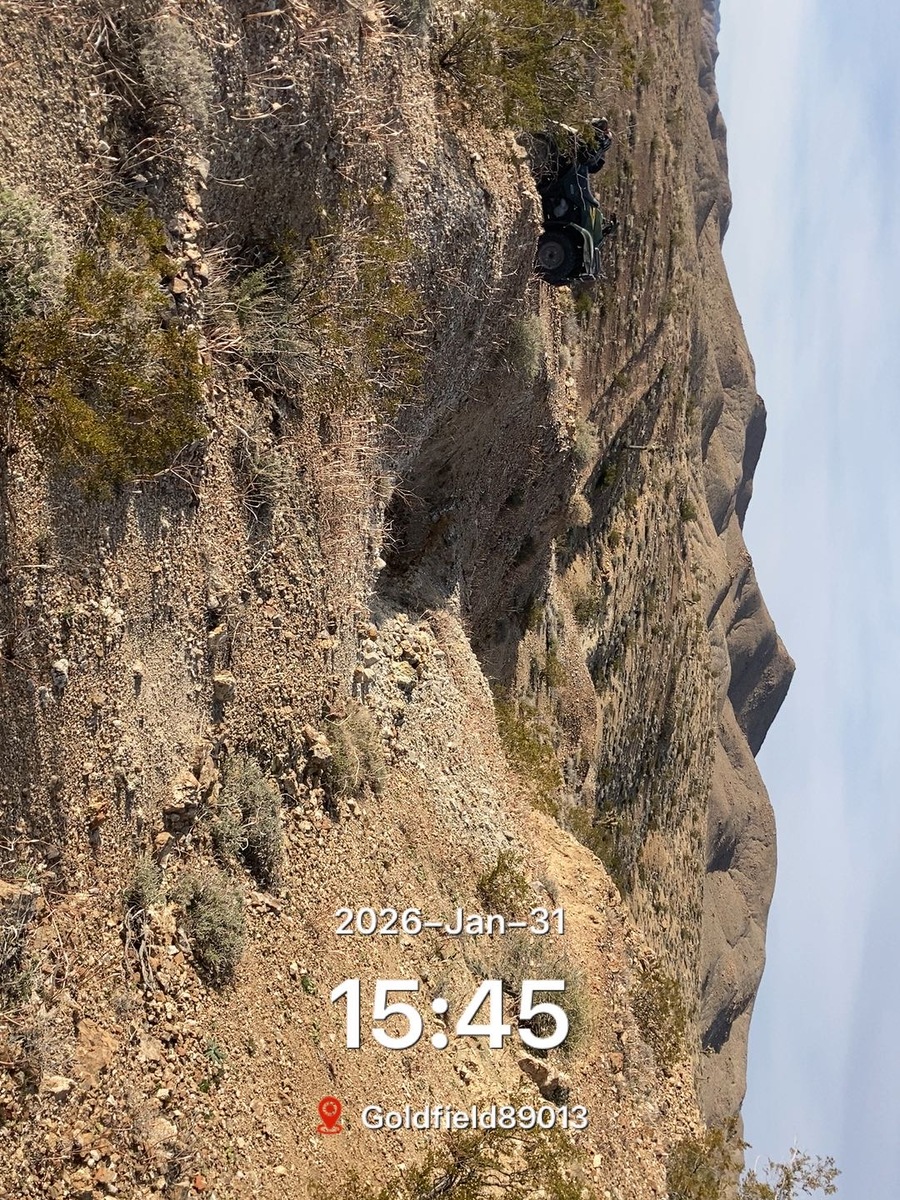
The Silvia Gold 2 claim has several open pits in 3 main areas: east workings, north workings and south workings. Each locality has a combination of trenches, pits, and sidewall excavations.
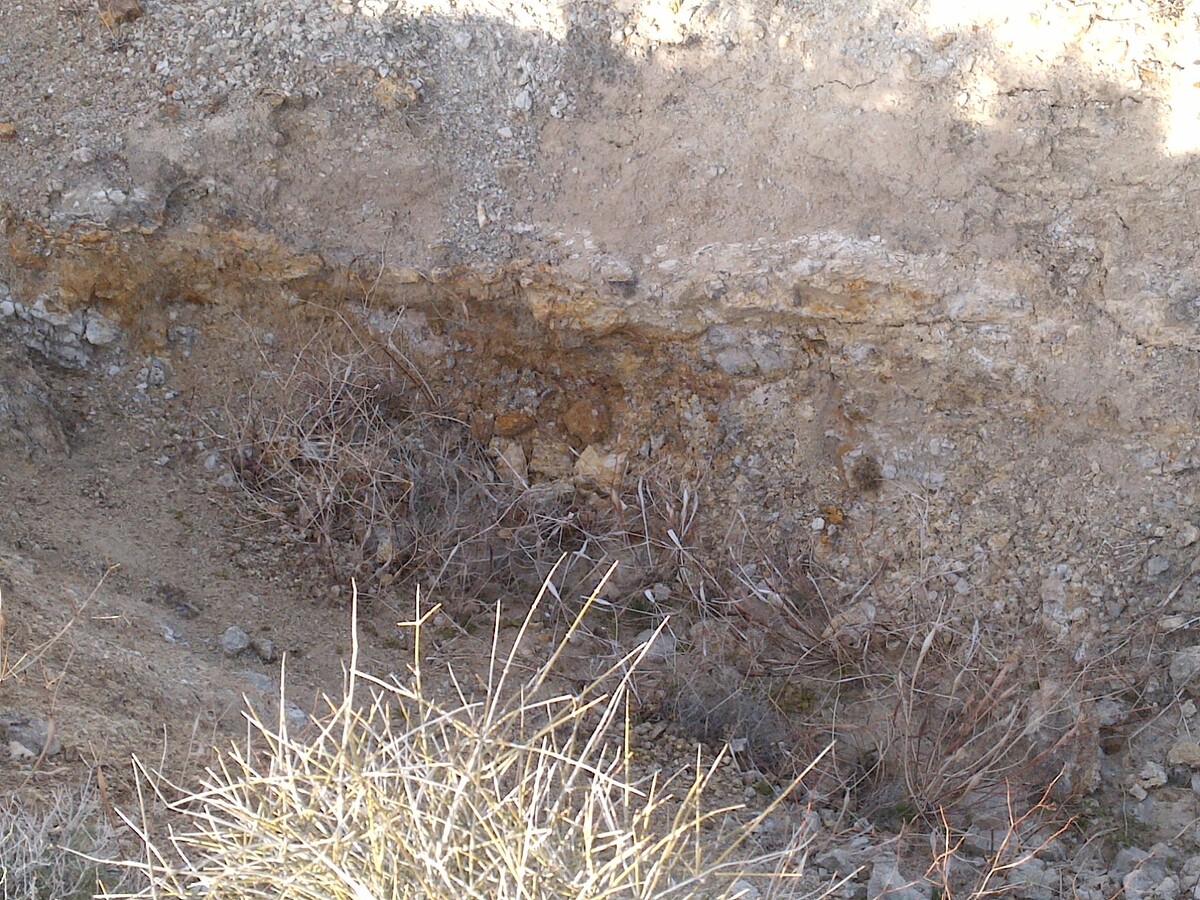
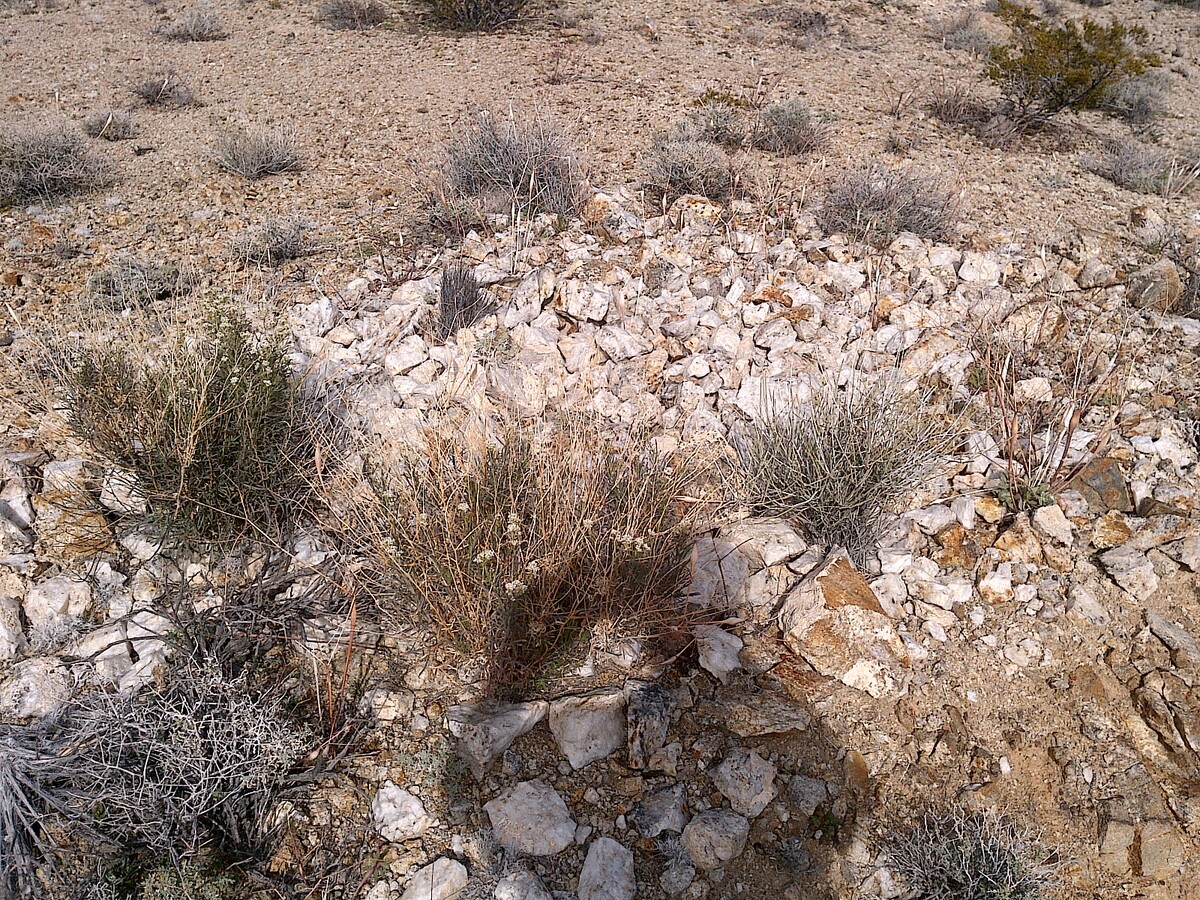
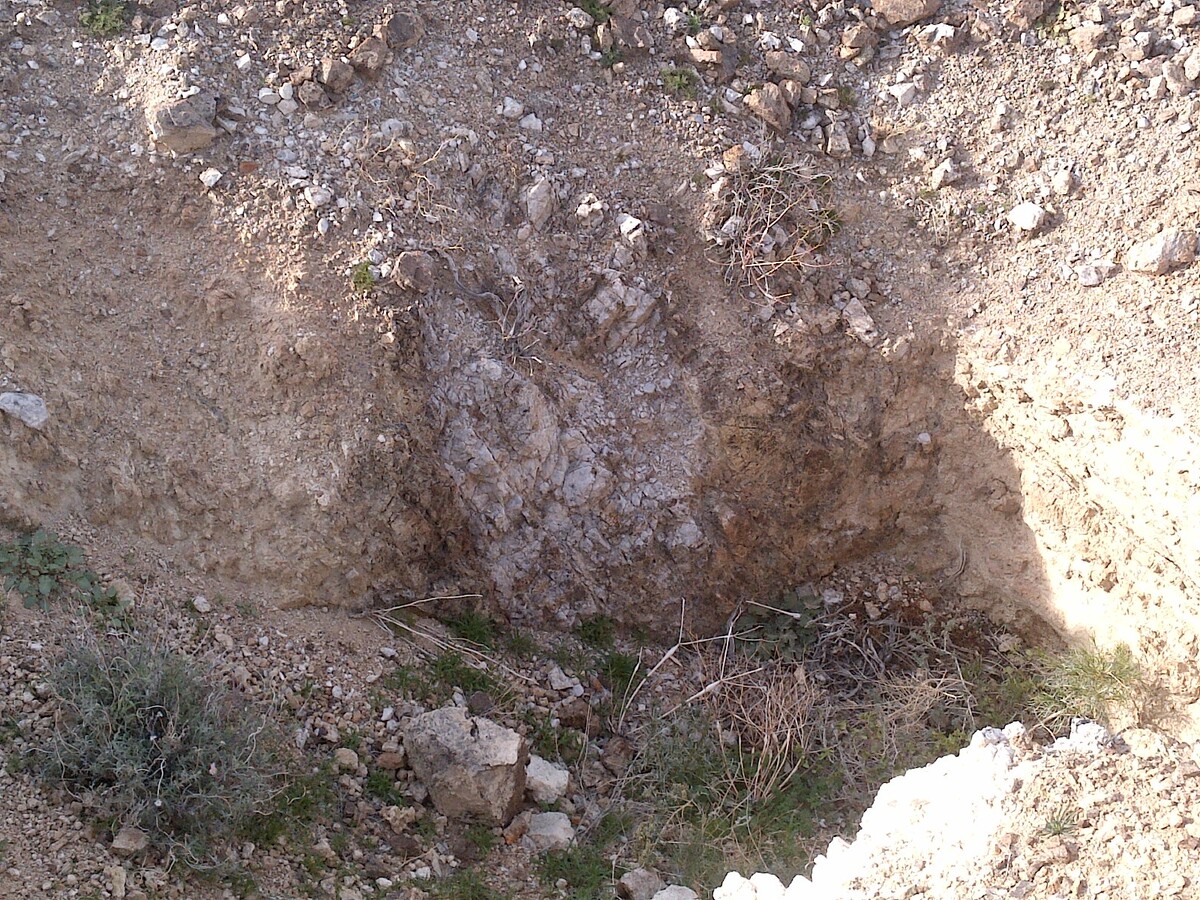
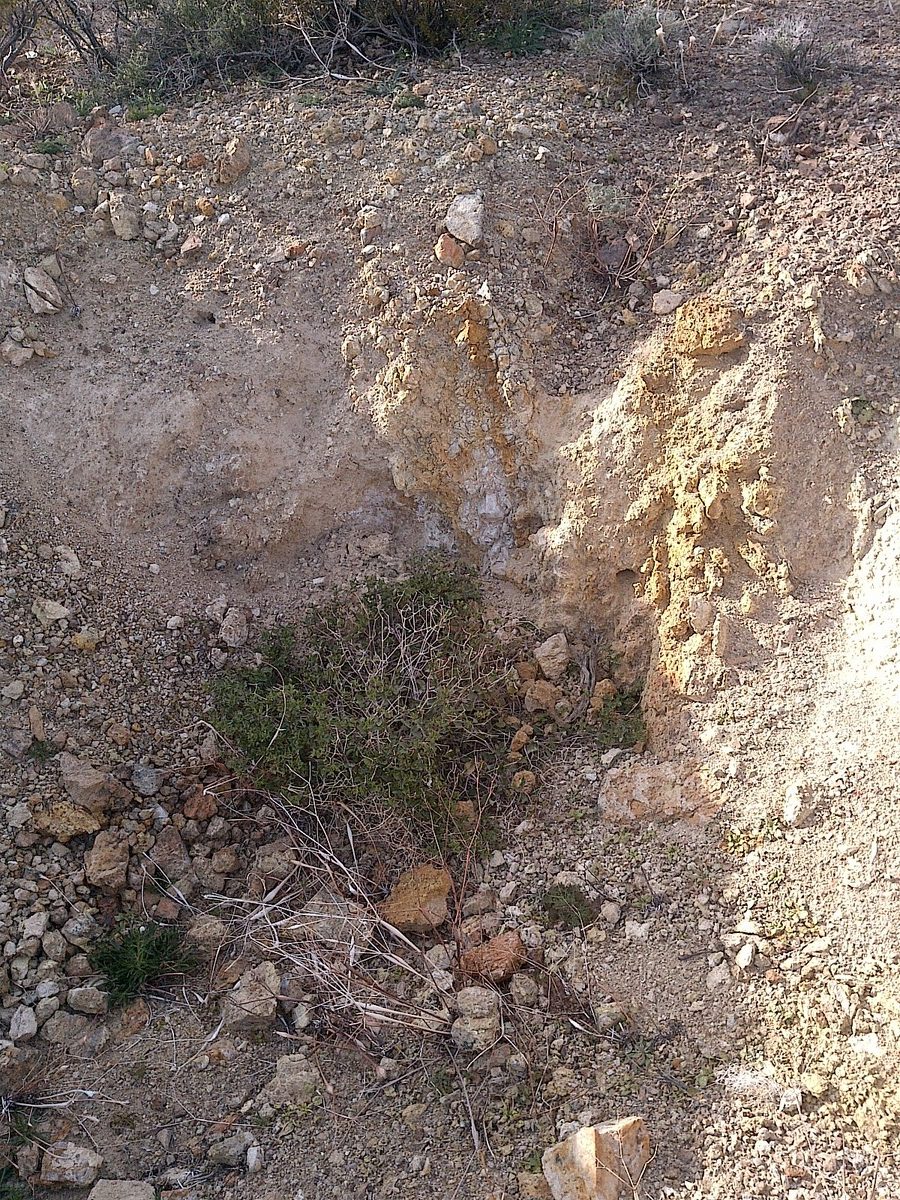
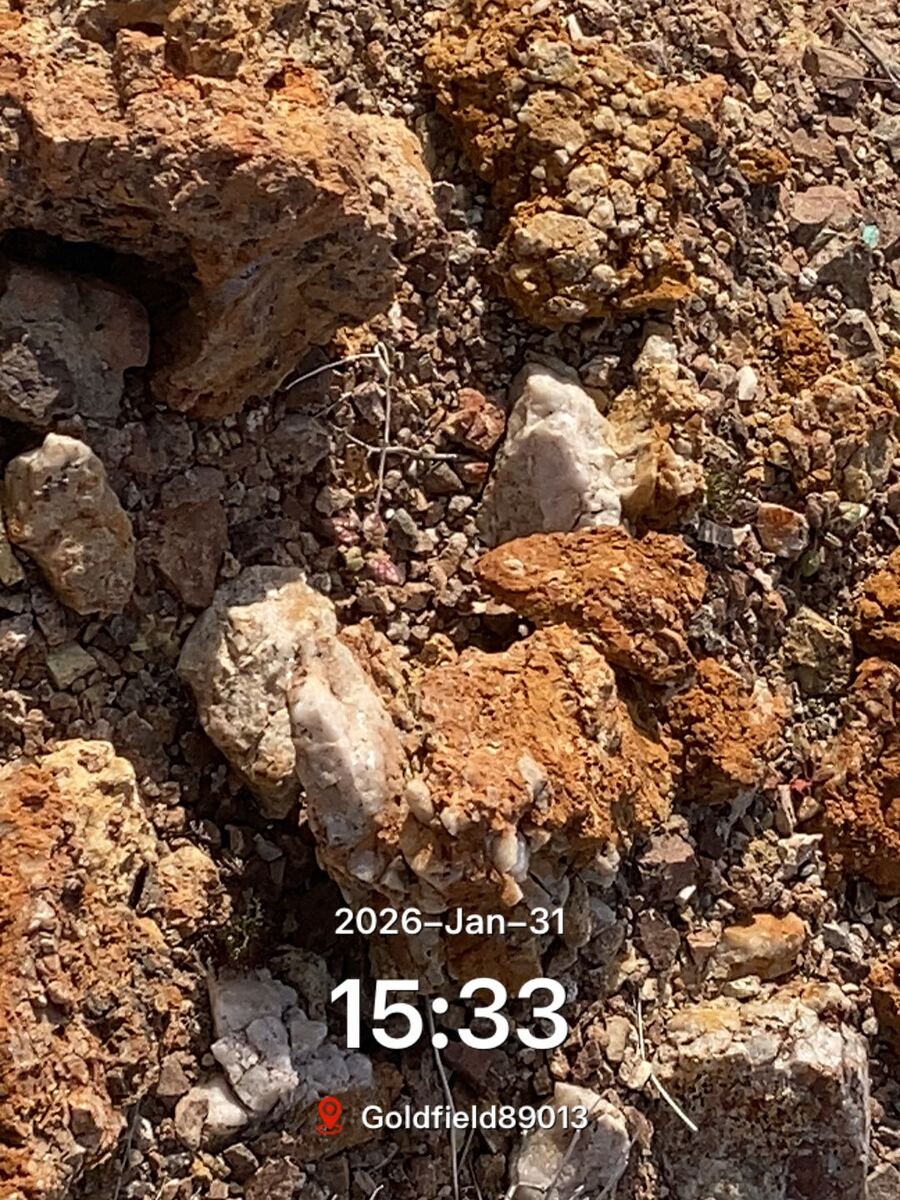
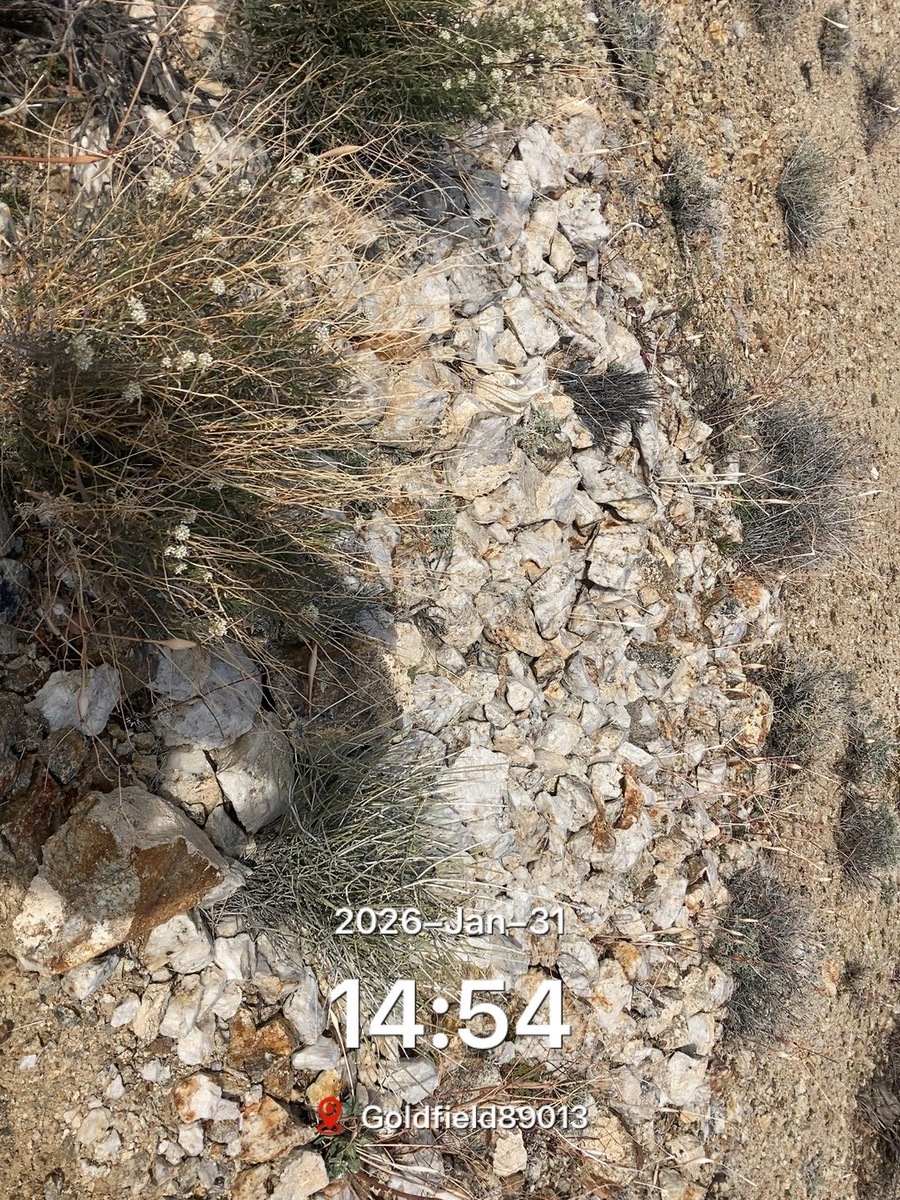
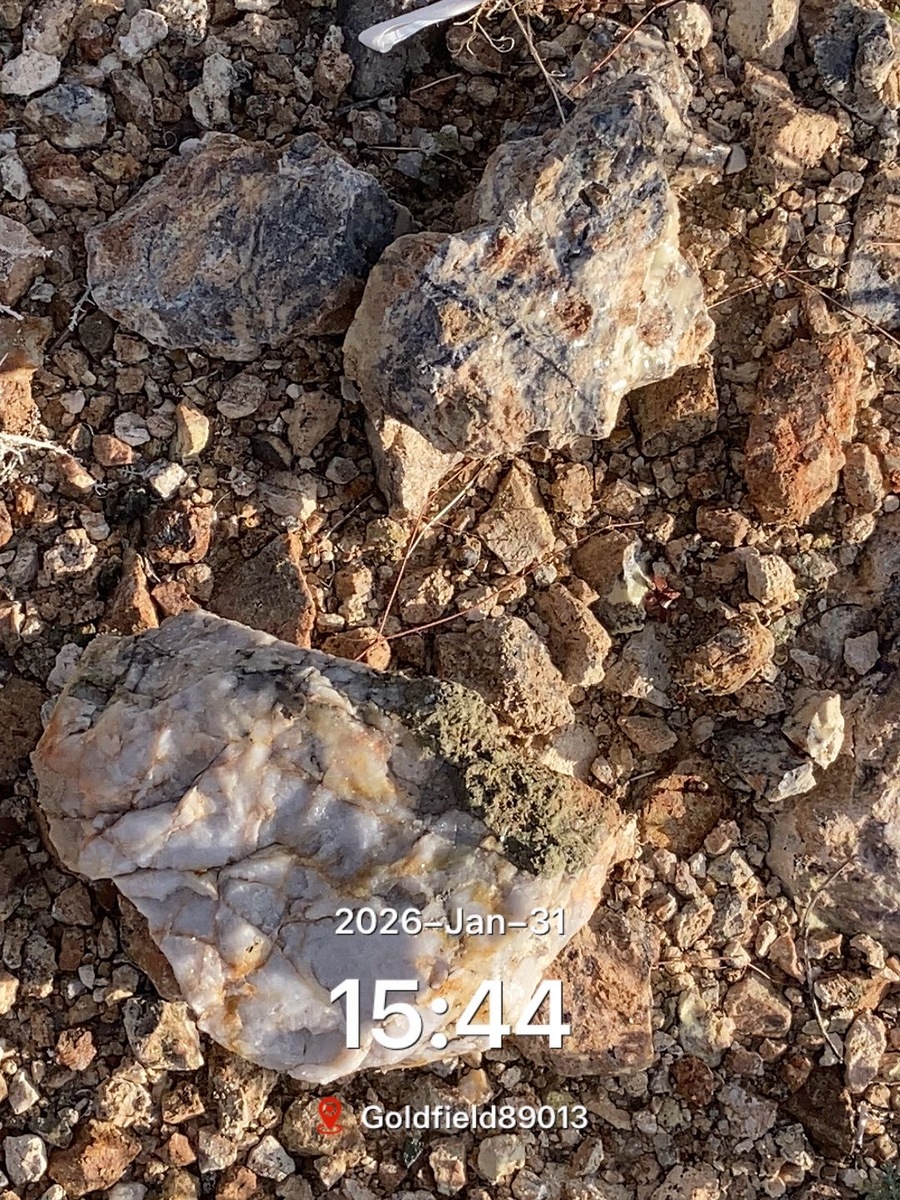
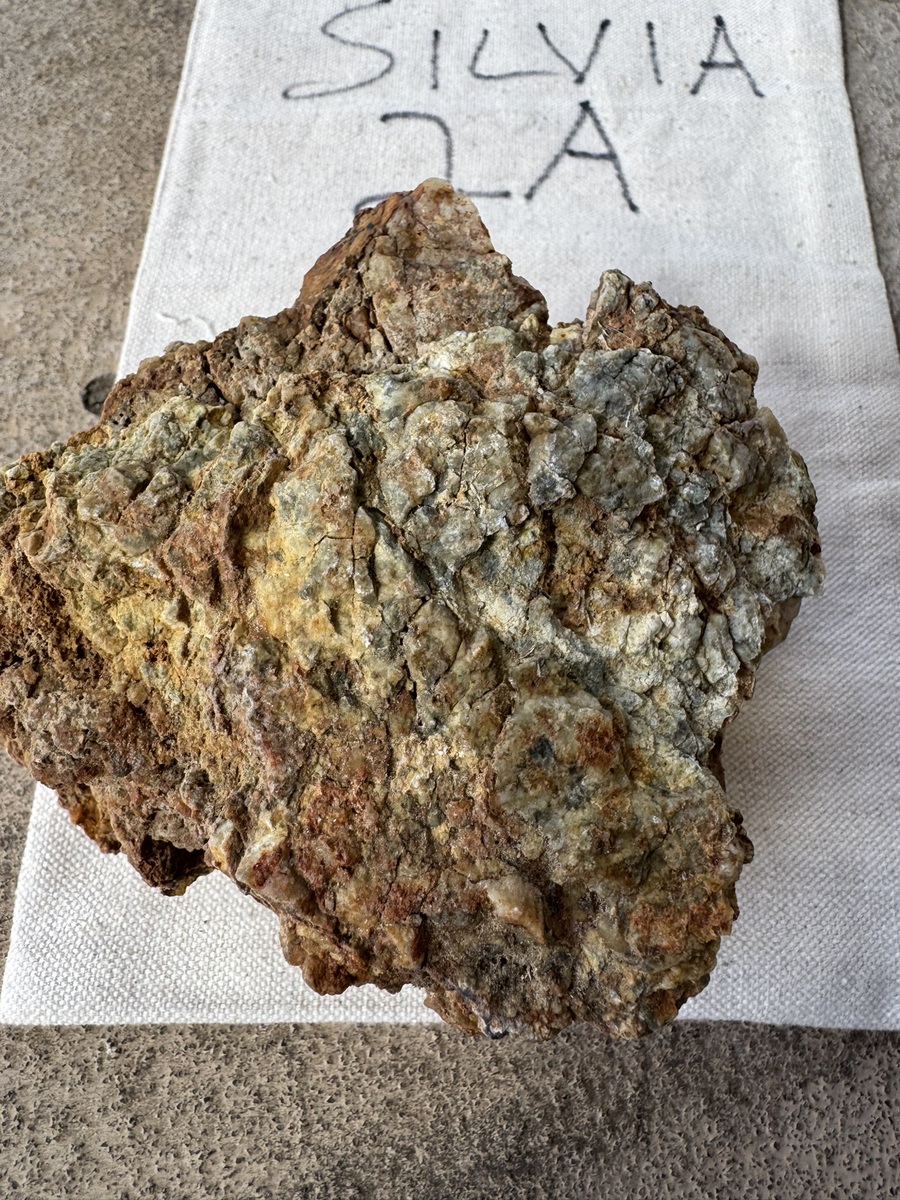
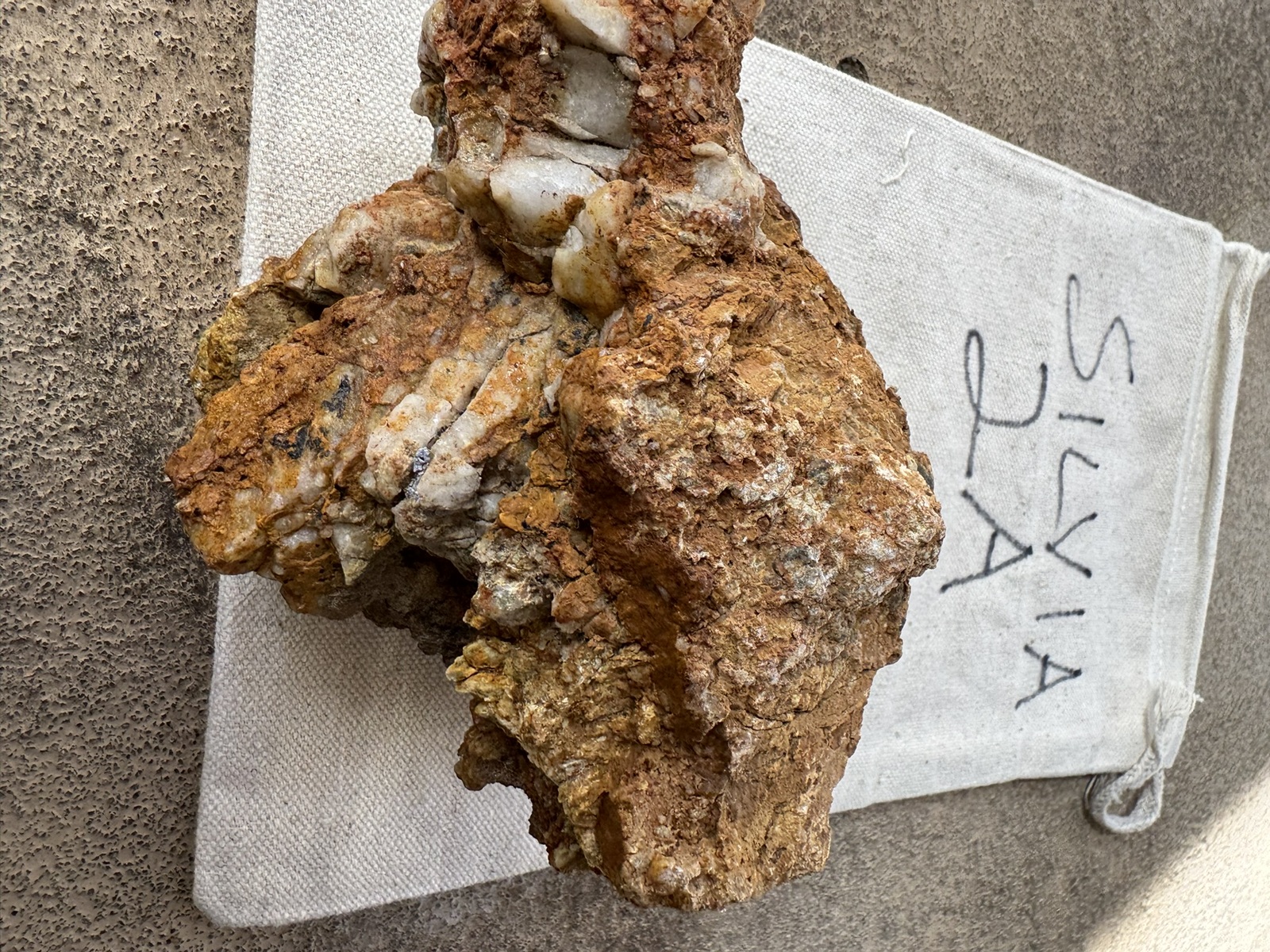
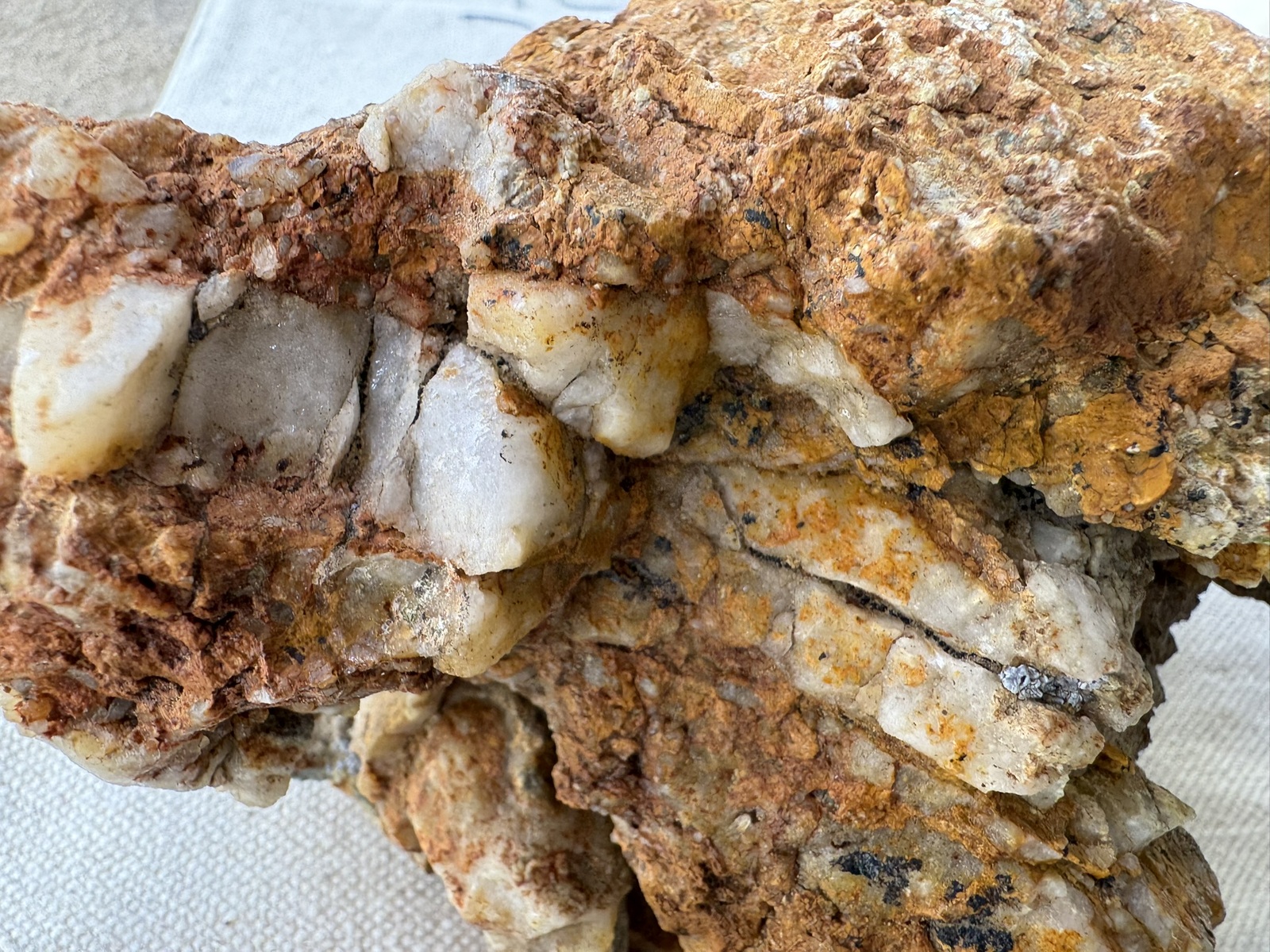
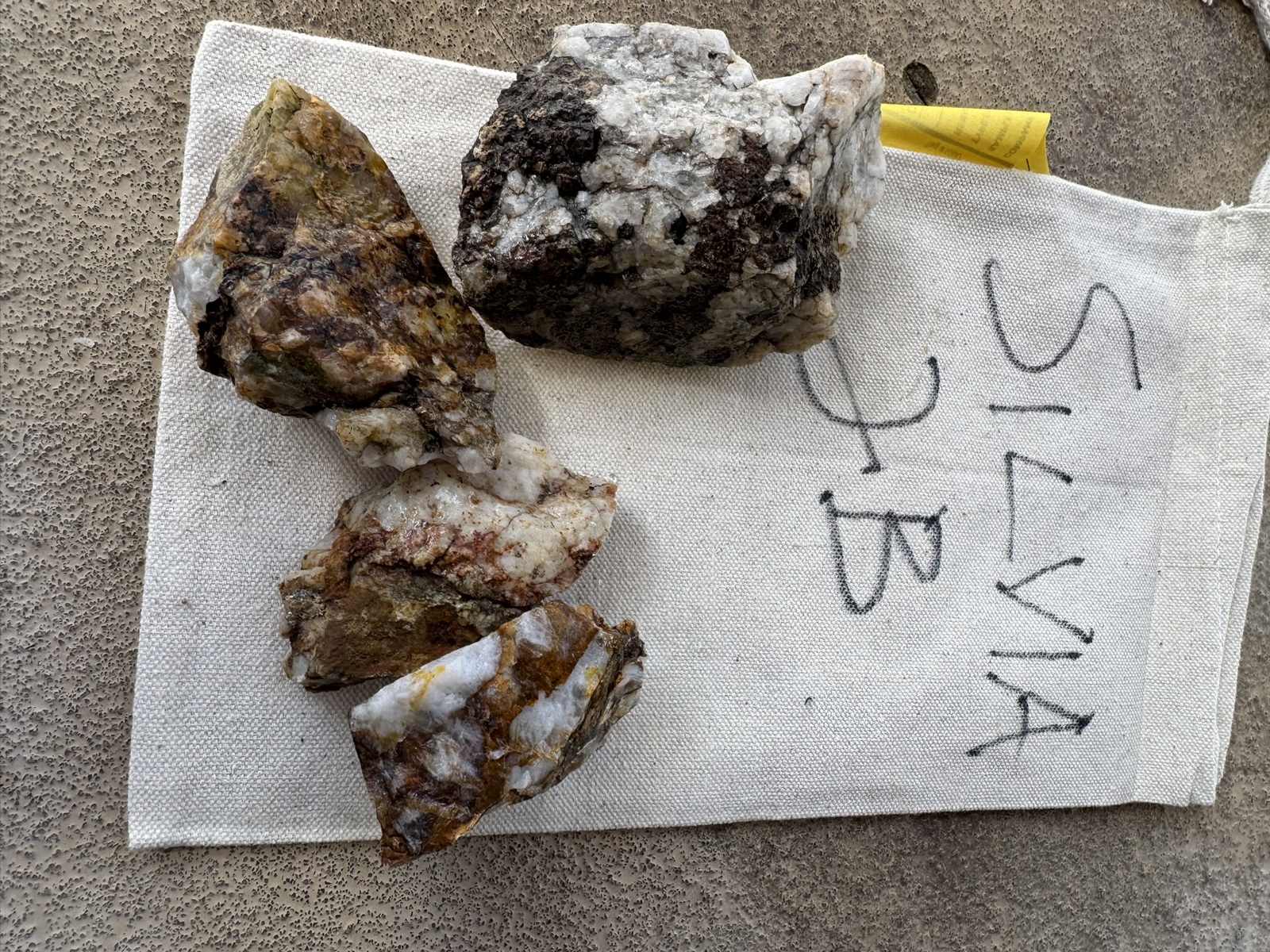
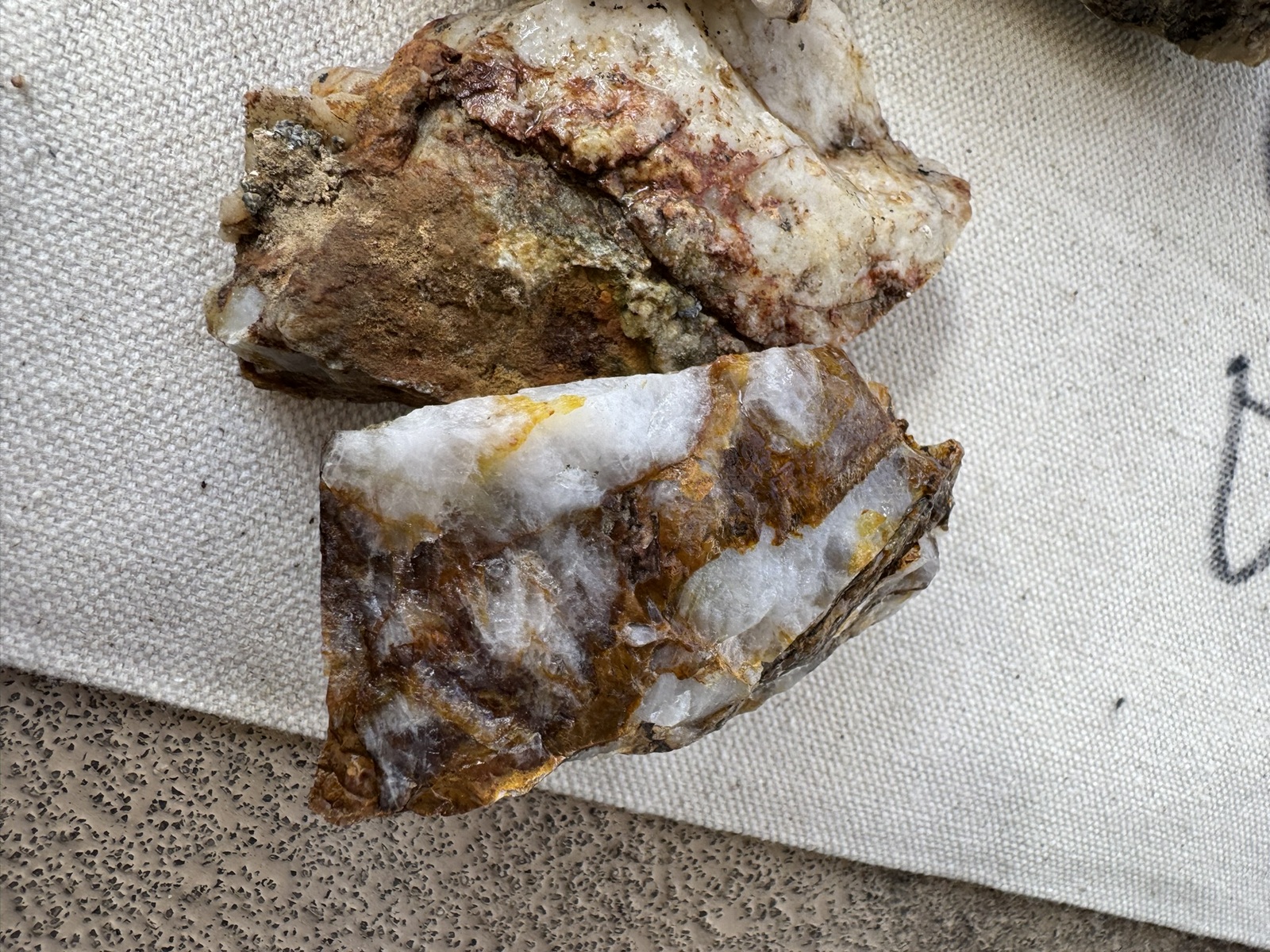
I took a two samples – one of iron oxide, altered limestone with quartz – and got .0575 ounces per ton gold and .655 ounces per ton silver. There seems to be a 10-1 silver-gold ratio which is common in this area. The material was random dump material and not the premium vein material which should run much higher.
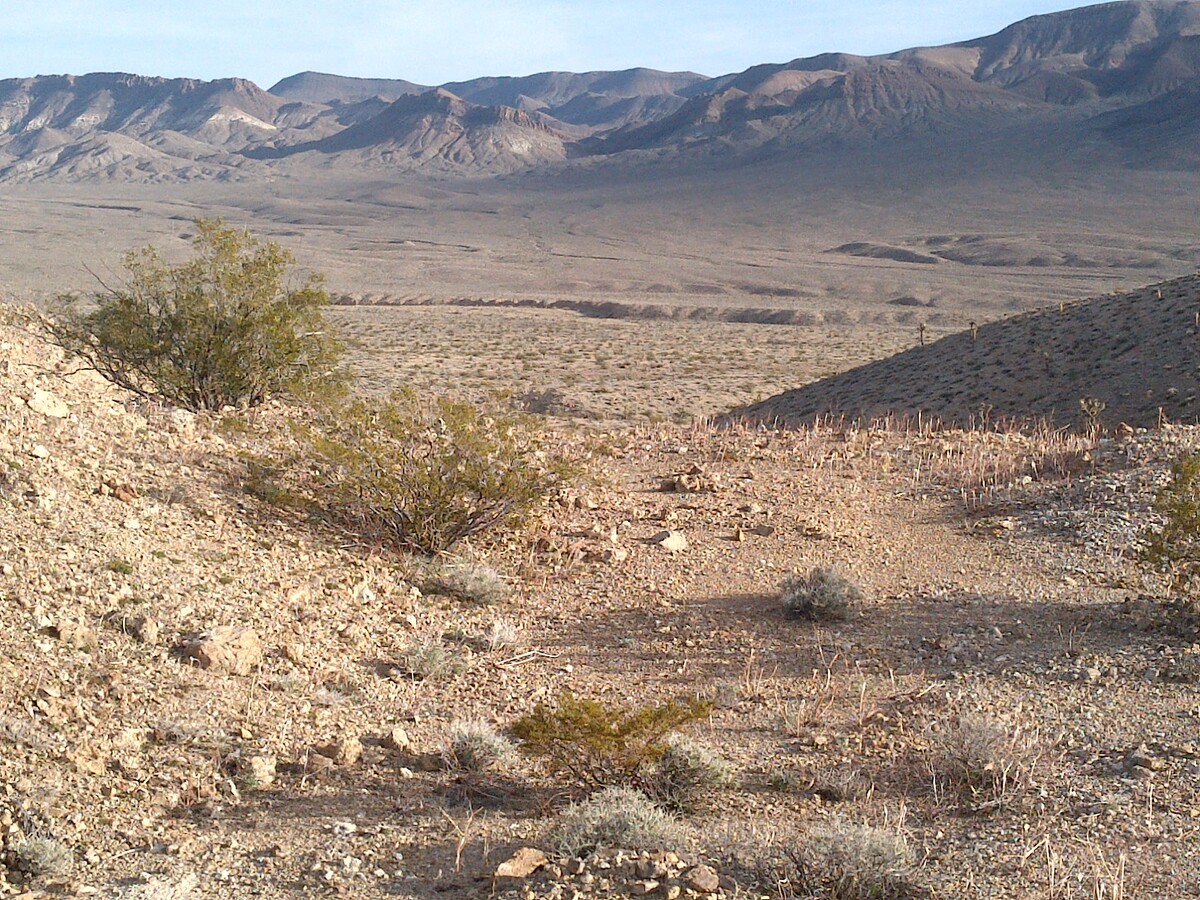
The Silvia Gold 2 is near Oriental Wash and Tule Canyon both of which are a well-known placer gold areas.
GPS Location: Latitude: 37.265967°, Longitude: -117.441078° (East Workings)
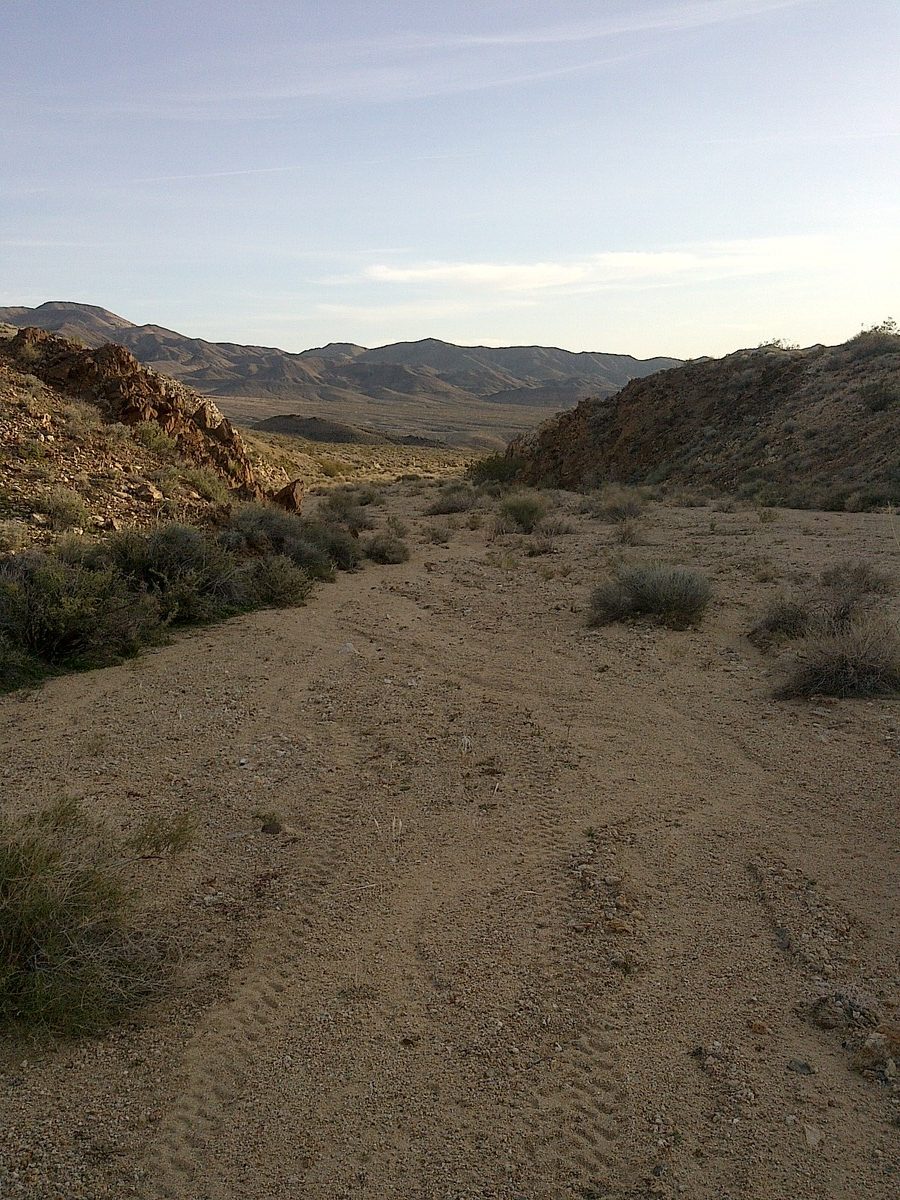
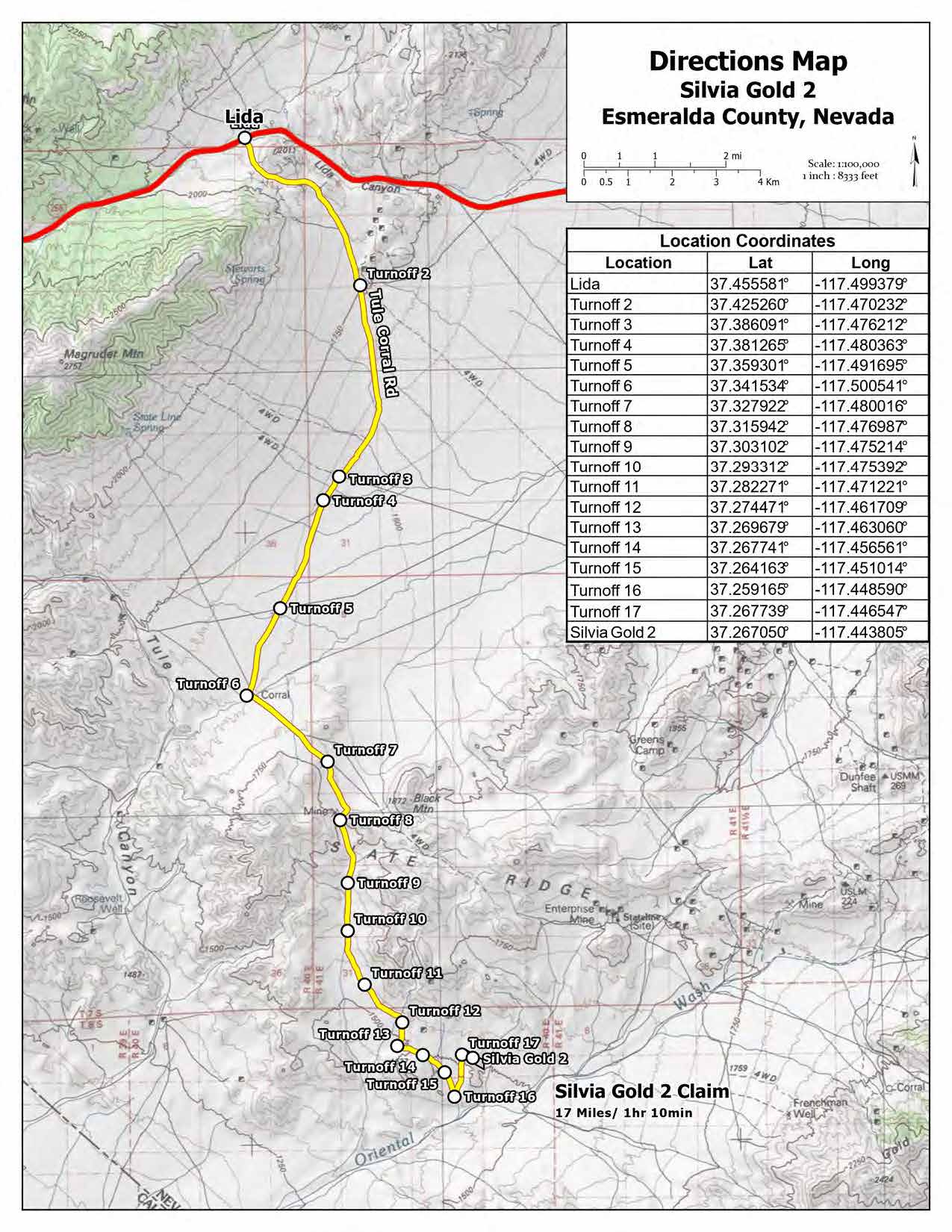
Access: From Las Vegas, Nevada drive north on Highway 95 for 163 miles. Take a left (west) on NV-266 and drive 19 miles to Lida, Nevada. Take another left at Tule Corral Rd. and drive south for 10.8 miles to Tule Canyon. There are roads paralleling Tule Canyon that you can take to the bottom of the wash. Take a sharp left at the intersection of Tule Canyon and Oriental Wash and proceed 1.58 miles NE to the claim. Access is by ATV or 4WD truck or jeep. There is a road-jeep trail that runs through the claim east-west. The claim can be accessed either from east or west.
Mining and Exploration Potential: The Gold Point / Tule Canyon districts have a high density of old mine workings and numerous high-grade silver-gold veins. Tule Canyon and Oriental Wash is one of the best placer gold districts in Nevada with estimated gold production over 100,000 ounces.
Silvia Gold 2 was mined in a series of open pits and open cuts on the sides of hills / washes. There is altered limestone and quartz vein material on the surface.
There are three main areas with workings: east workings, north workings, and south workings. The workings are small open pits, and larger trenches and open cuts on hillsides. Vein material is altered, silicified limestones, and quartz.
Exploring these historical workings and sampling the dumps and in-place veins is a good place to start. There might be 1,000 tons of high grade material in the dumps and ore piles.
The Silvia Gold 2 would be ideal for a small hardrock mine with a small crushing and processing plant. There is plenty of material similar to what we sampled. A modest sampling program should be able to locate higher quality ore.
Oriental Wash is one of the best placer areas in Southern Nevada and there is an opportunity to find placer deposits on this claim as well.
Finally, if the gold mineralization is disseminated widely in the limestones this could be a larger exploration play that may interest a mining company. There are dozens of mining companies active in this area and any discovery would have no problem finding interested buyers.
The Tule Canyon District lies in southern Esmeralda County, Nevada centered around Tule Canyon. Tule Canyon starts in the foothills south of Magruder Mountain and runs east for 5 miles then turns south and runs another 6 miles where it joins Oriental Wash in the northern edge of Death Valley.
W.O. Vanderburg, the author of ‘Placer Mining in Nevada’ estimates that gold was discovered in Tule Canyon in 1876. However, many other sources have mentioned that placer mining was already been conducted in Tule Canyon prior to the 1860’s when the Nevada Territory was first being settled by Americans. Indeed, Mexican miners mentioned that Native American miners were active prior to their arrival.
In 1876, Chinese workers were imported to work the northern part of the canyon (about a mile from the TCM 1 placer claim). Due to the scarcity of water most of the mining was done by hand with small pans. That this method was worthwhile and paid suggests that the gravels were very rich.
The period between 1880 and 1895 was the busiest period and Tule Canyon got a US Post Office at Senner near the part of Tule Canyon where it doglegs south.
It is estimated that $12M in gold was mined during this early period when gold was $20 per ounce. There are records of large nuggets found during this time period – the largest being 52 ounces! The head of Tule Canyon is named ‘Nugget Gulch’.
The Long Sam Mine was active during this period and employed three miners working gold ore worth $75 per ton (3.75 gold ounces per ton) using two arrastras.
During the heyday of the Goldfield and Tonopah mines (1900-1920) several Tule Canyon mines were listed on the local stock exchanges and were co-owned by some of the famous mining operators of the day.
William Ingalls, the well-known and popular Sheriff of Esmeralda County for over 30 years, owned one of the best properties in Tule Canyon, the Ingalls Mine. This mine was worked by lessors for over 20 years and was estimated by one source to have produced over $4M in gold (at $20 per ounce)!
Beginning in 1933, the Los Angeles Rock and Gravel Corporation worked 8 claims at the upper end of Tule Canyon. They used a dragline and shovel, standard grizzly and trommel, and powered the plant with a Ford Model A engine. They piped water from a spring in nearby Weatherspoon Canyon. I think this might be part of the pipes shown in the above pictures. They employed 12 workers.
Active mining in the District ended with Order L-208 closing the gold mines at the beginning of World War II. There have been periodic small operations since then.
A publicly traded junior mining company, Silver Range, owns several claims in the District (centered on the hardrock source of gold).
The Lida District to the north is just to the north and is currently experiencing a small renaissance. Lida was discovered about the same time as Tule Canyon and was known for exceptional rich ore that could run as high as 33 ounces of gold per ton. Currently there is an exploratory drill program just south of Lida (I drove past the drill a few months ago).
Teck Resources (NYSE: TEK) has optioned a project in Gold Point (7.3 miles NE of claim).
In the 1930’s there was gold placer mining in Oriental Wash. There has been limited modern exploration in this district. In the 1980’s, Oriental Wash was tested for placer gold and a resource was discovered (International California Mining Journal, March 2000). Oriental Wash is an excellent place for nugget hunting and placer exploration.
Regional Geology: The Silvia Gold 2 Mine is located in the Walker Lane mineral belt which is part of the Basin and Range physiographic province. The Basin and Range province covers most of Nevada and consists of narrow NE trending mountain ranges between flat, arid valleys and basins.
The Walker Lane mineral belt is an area with a high density of parallel strike-slip faults extending from Reno to Las Vegas roughly along the California- Nevada border. Faulting and volcanic activity make the Walker Lane favorable for hosting gold and silver deposits including some of the most famous precious metal mining districts in the US including the Comstock, Goldfield, Tonopah, Bullfrog, Mineral Ridge, and Round Mountain.
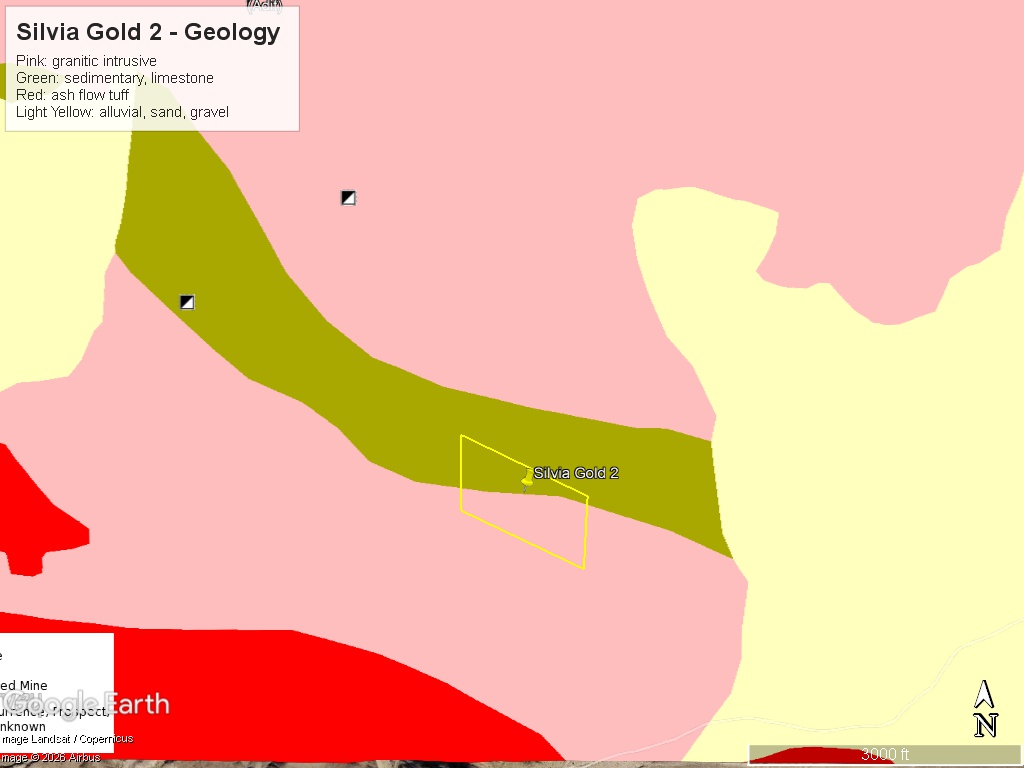
Local Geology: The Silvia Gold 2 mining claim is on a limestone outcrop on the contact with the granodiorite intrusive. The contact may be prospective for more gold veins. The limestone strip is about 1.5 miles long by .25 miles wide and trends in NW-SE direction.
The rocks in the district are the Jurassic Sylvania Pluton (granites, granodiorite) and the various formations of Cambrian sediments and metasediments. Limestones, shales, and siltstones.
Structurally there appears to be a series of NW-SW trending faults inline with the contacts. One of these faults runs through the claim and is coincident to the workings.
Ore consists of altered limestone with iron staining and quartz veining.
REFERENCES
Albers, J.P. and Stewart, J.H., Geology and Mineral Deposits of Esmeralda County, Nevada, Nevada Bureau of Mines and Geology, 1972.
Murbarger, N., ‘Golden Treasure of Tule Canyon’, Desert Magazine, December 1951.
Patera, A., ‘Hornsilver / Gold Point Nevada’, Western Places No. 26, Western Places, 2003.
Patera, A., ‘Palmetto, Sylvania and Tule Canyon, Nevada’, Western Places No. 44, Western Places, 2022.
Pray, R.E., ‘Evaluating a Placer Discovery’, International California Mining Journal (ICMJ), March 2000.
Tingley, J.V., Tule Canyon District Summary Report, Nevada Bureau of Mines and Geology, 1983.
Vanderburg, W.O., ‘Placer Mining in Nevada’, Bulletin 27, Nevada Bureau of Mines and Geology, 1936.
FAQ
Why Nevada?
Nevada is consistently ranked as one of the top mining jurisdictions in the world for being mining-friendly and continuing to produce major discoveries. If Nevada was a country it would be the 5th largest gold producer in the world (after Australia, Canada, China, and Russia). Nevada is home to the Carlin Trend, the Cortez Trend, the Walker Lane Trend, the Getchell Trend and many other prolific gold producing regions. In addition to gold Nevada also has major mines producing silver, copper, lithium, iron ore, magnesium, gems and many other minerals. Nevada is 85% owned by the federal government and most of this land is available for claim staking. This means some of the best mining ground in the world is open to small prospectors – a very unique situation. There are many mining companies active in Nevada and therefore, multiple potential buyers for any discovery you make. Canadian based junior exploration companies are particularly active in Nevada.
Why Buy a Claim?
Buying a claim is a great way to get started in mining and prospecting. Buying a claim that is professionally staked reduces your upfront work and the risk of making a mistake on your paperwork or in the field. Our claims are in areas with historical mining activity and most have numerous pits, shafts, and adits to explore. Finding these claims takes lots of research that is already done for you. The best place to find gold is where people have already found it!
Why Us?
I have been working in mineral exploration in the southwestern United States and Alaska for 23 years. I have co-founded four junior mining companies and managed numerous drilling and exploration projects. I have worked with large and small mining companies and know what types of projects they are looking for that can be advanced by small prospectors. I have also worked on small hardrock production projects. I usually try to find claims that have known high grade veins that can be produced and that also have some exploration upside. We stand by our claims and fix any problems that come up. We can also help you with your annual filings. All our claims have a BLM serial number and can be found on the U.S. BLM MLRS website database. All our claims have professionally drafted maps and thorough land and mineral status research.
How is ownership of the claim transferred?
Ownership of mining claims is transferred with a Quitclaim Deed which we prepare. We pay all claim transfer fees and file the claim transfer paperwork with the BLM and Esmeralda County. The BLM takes about 30 days to process the claim transfer and register the claim in your name. The Esmeralda County Recorder usually takes a few hours to return the recorded Quitclaim Deed if filed electronically. Once the transfer is complete we will send you all the original documents including the file stamped Quitclaim Deed, the original location notices and claim maps.
How Much are the Annual Claim Fees?
The BLM charges a $200 per claim annual maintenance fee which is due on September 1st each year. The BLM fees can be paid online through their claim management portal. Esmeralda County requires that a Notice of Intent to Hold form is filed the first year by Nov 1st along with payment of the recording fee of $12 plus $12 per claim.
If you own less than 10 mining claims you can qualify for a waiver of the annual maintenance fee by filing a Small Miner’s Waiver. However, the Small Miner’s Waiver requires that you perform $100 in labor or improvements on the claim each year.
International Buyers
International buyers must either have dual US citizenship and US address or have a US entity or company to own the claim.